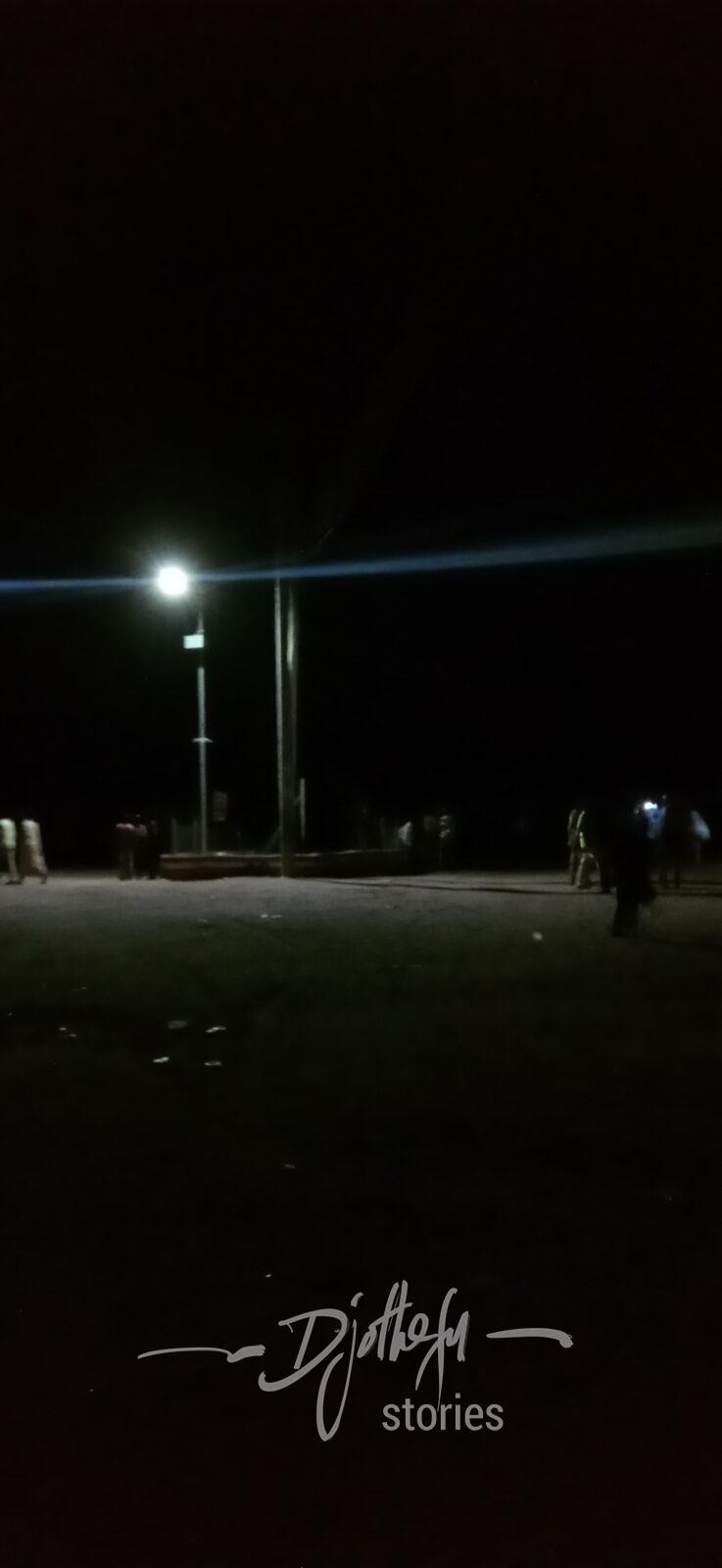
It’s dark, and the road is illuminated by lights from the shops. It’s quite busy, considering the time. There’s lots of people milling around the shops, and some have spread mats near the streets and are sleeping or just chatting with each other. The boy behind me seems to know and be known by a lot of people. He keeps shouting greetings, and letting everyone know that it’s him on the big bike. He is having the time of his life!

We get to the fuel shop, and I fill her up.

The boy’s next assignment is to show me where I can sleep. He says he knows a lodge. He hops onto the back again, and we do another greetings-from-the-big-bike sandy tour towards a lodge. I ask him if he has had dinner. He says no. I tell him to wait for me, I will buy him dinner. The lodge is a simple affair. Round huts with sandy floor, and two beds in each, with mosquito nets. The toilets (latrines, actually) and bathrooms are shared outside. I park the bike, go to the hut and remove my gear. I go out and meet the boy, and we walk into a nearby restaurant.
“What’s your name?”
“Somo.”
The restaurant has run out of food. Somo says he knows another one some distance away. We start walking towards it. He is limping. Got injured while playing, he says. He tells me to be careful with my phone, it can get snatched. He gives me tales of road bandits at Maikona. At the end of the street is a lone street light. It seems to be the favourite night time gathering point for the town’s youth.
We reach the restaurant. I order rice and some meat. Somo orders chapati and meat. We both order tea.
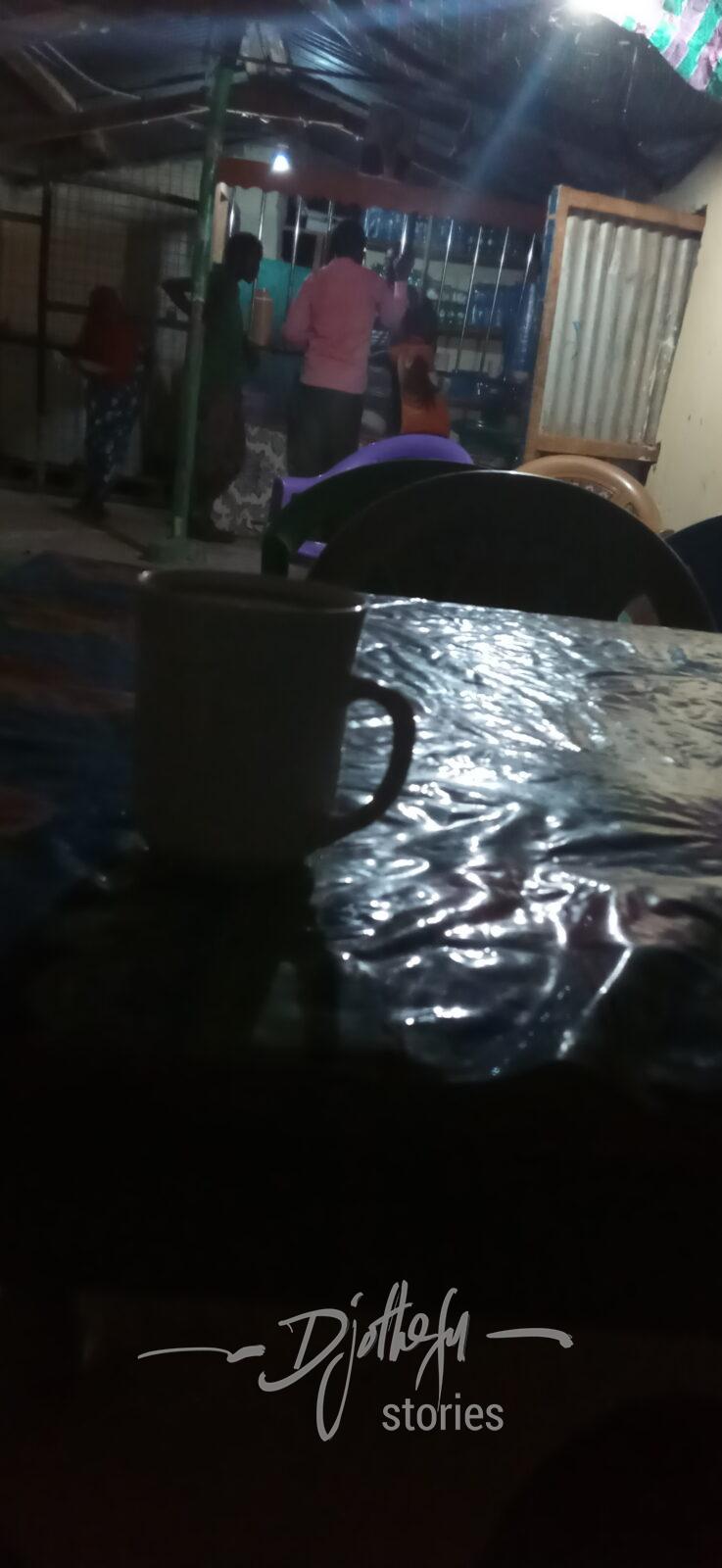
I can’t eat the food. The rice is full of sand. Every spoonful grinds the teeth like chewing sandpaper. I need food, I try to force myself, but I just can’t handle it! The tea has a heavy smell of smoke. I have drank tea cooked over firewood, smelling of smoke, but this is too strong! Two of Somo’s friends have followed him here. I give them the food, which they heartily chomp down.
Somo and I walk back to the lodge, where I say bye to him. I enter the lodge and get into my hut.
“Who came with that bike?” I can hear a man outside asking.
“Some other guy,” answers the woman in charge of the place.
“Where is he?”
“He is inside.”
I go out to get some stuff from my bags so I can go take a bath. The man comes up to talk to me. He is bare chested, with a kikoi around his waist.
“Are you going to Illeret?” he asks.
“No, I just came from there.”
He says he needs to go to Illeret, and has been stranded here for some days now. This reminds me how privileged it was to have been in Illeret with my own bike. Getting transport these sides is not easy. And that’s why I will take care of my bike, and not rush around, or be constantly in a hurry. As I came today, I could see Timam’s tracks from last night. No traffic had used the roads since. In all of the 200 kilometers I travelled today, I met only one vehicle, the one with officers. I met no other traveller almost whole day, no car, no motorcycle, very few people on foot only near villages. That means if you get stranded for any reason by the roadside, you will wait a long time, possibly over a day, before anyone happens by you.
I message Timam and tell him I’m at North Horr. He tells me not to go through Kalacha to Marsabit, the road is “loathsome.” He says he has had a blast riding his way, pushing the bike. I ask him if I should instead go back towards Loiyangalani-Laisamis. He says yes.
Sleep.
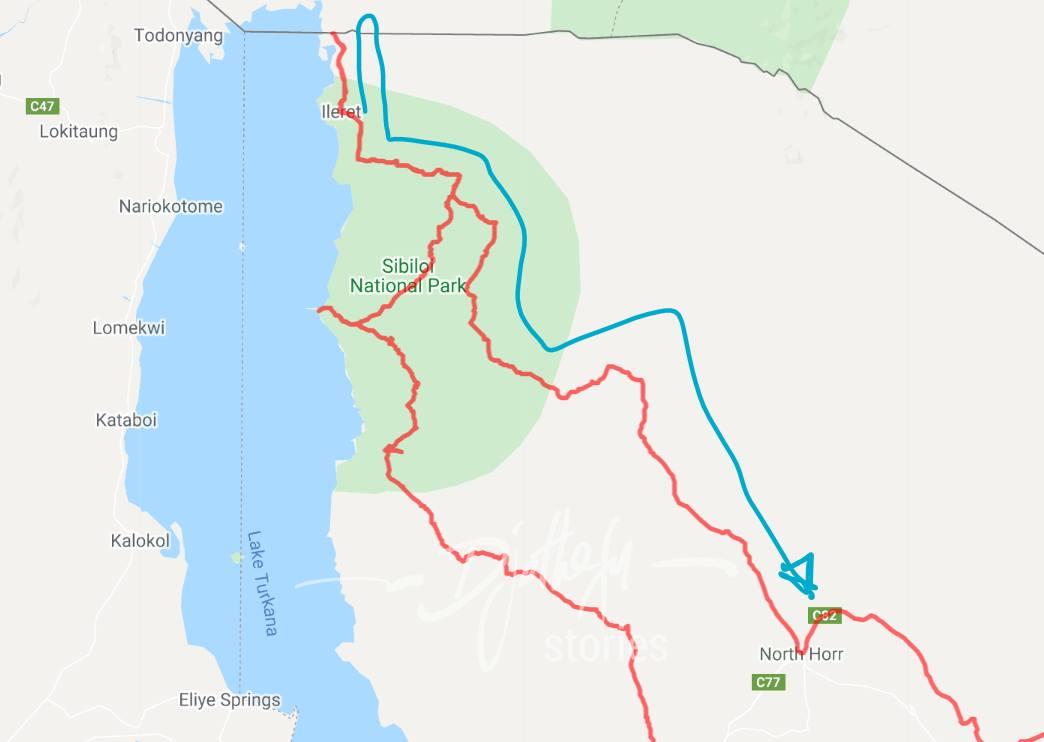
Day 9 | North Horr to Isiolo
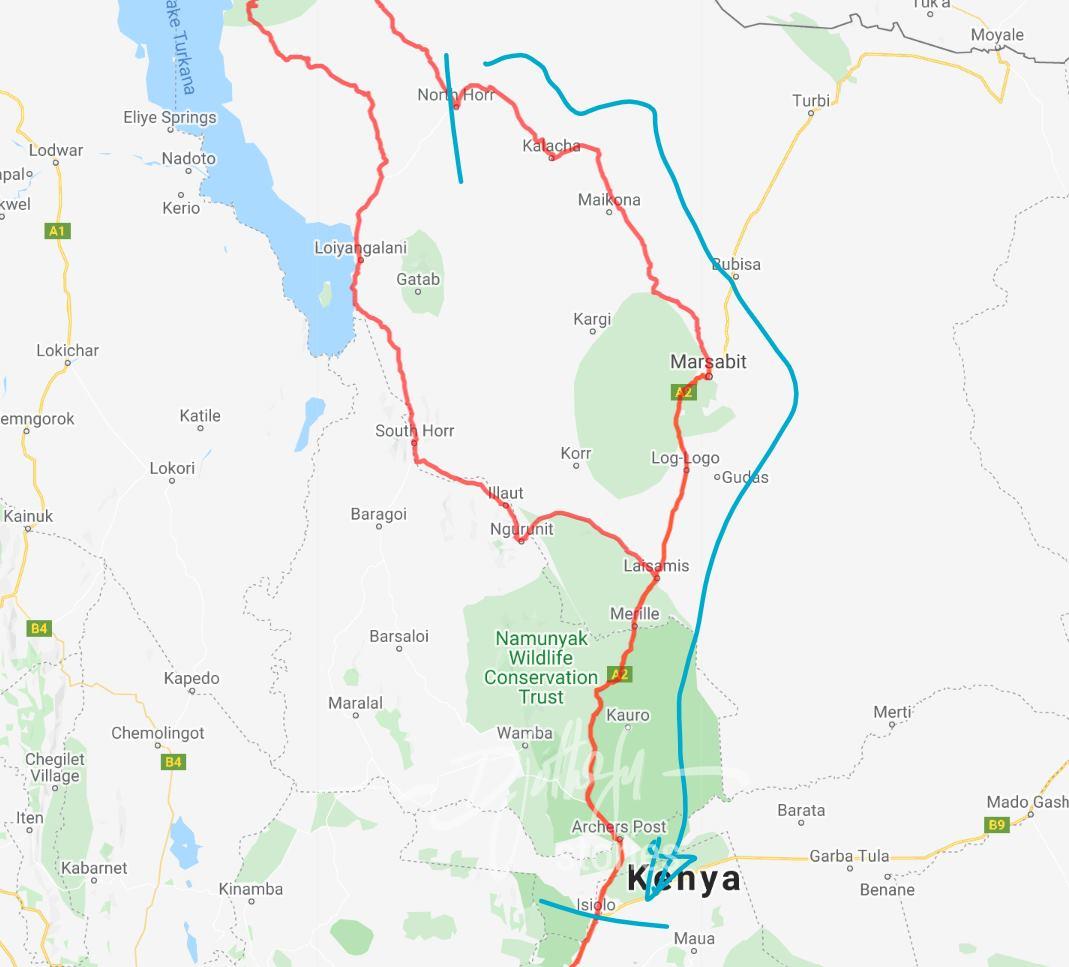
Today’s ride route: Kalacha – Maikona – Marsabit – Isiolo. I wake up early, and leave without eating anything. I first have to find my way out of the town.
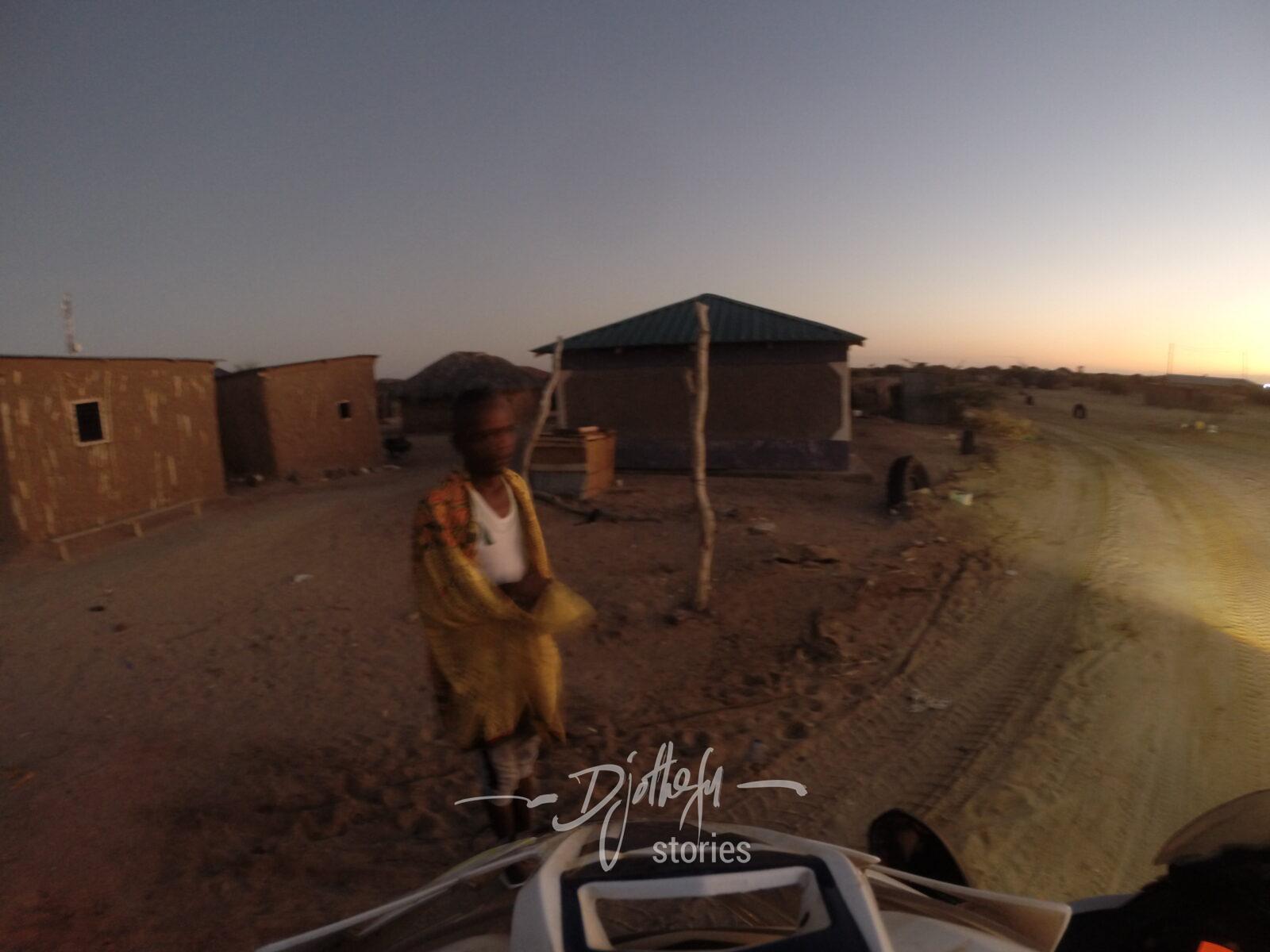
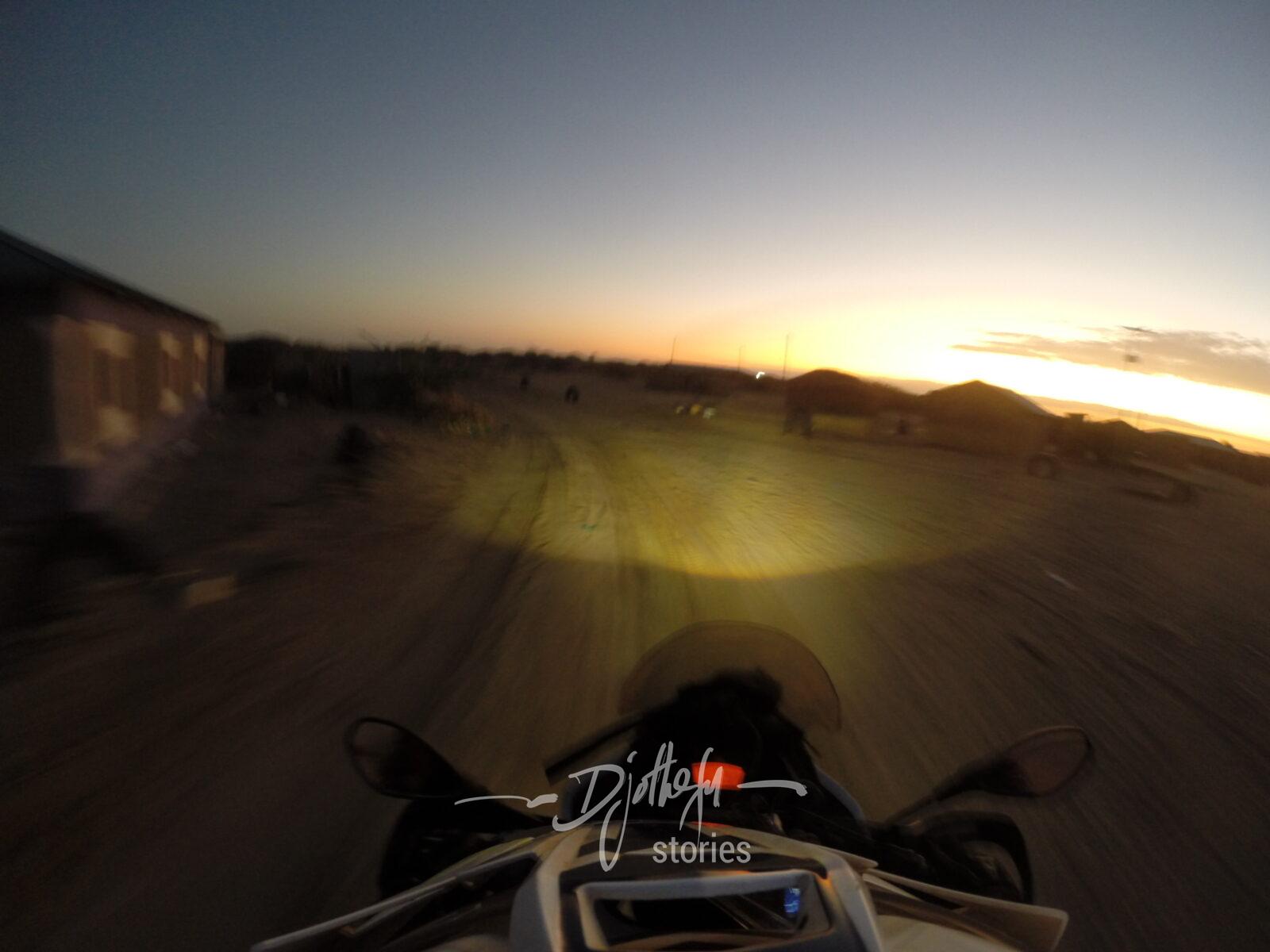
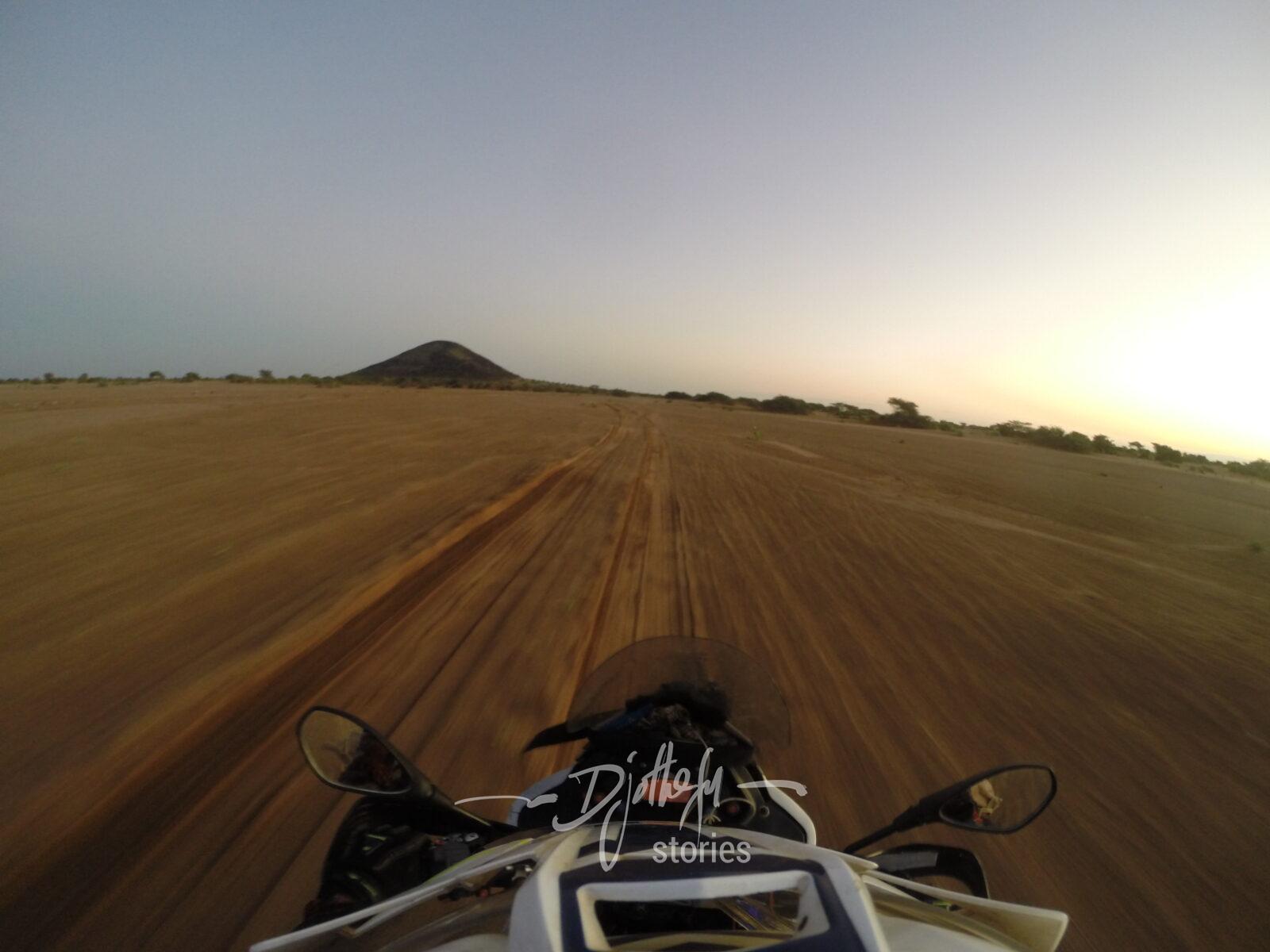
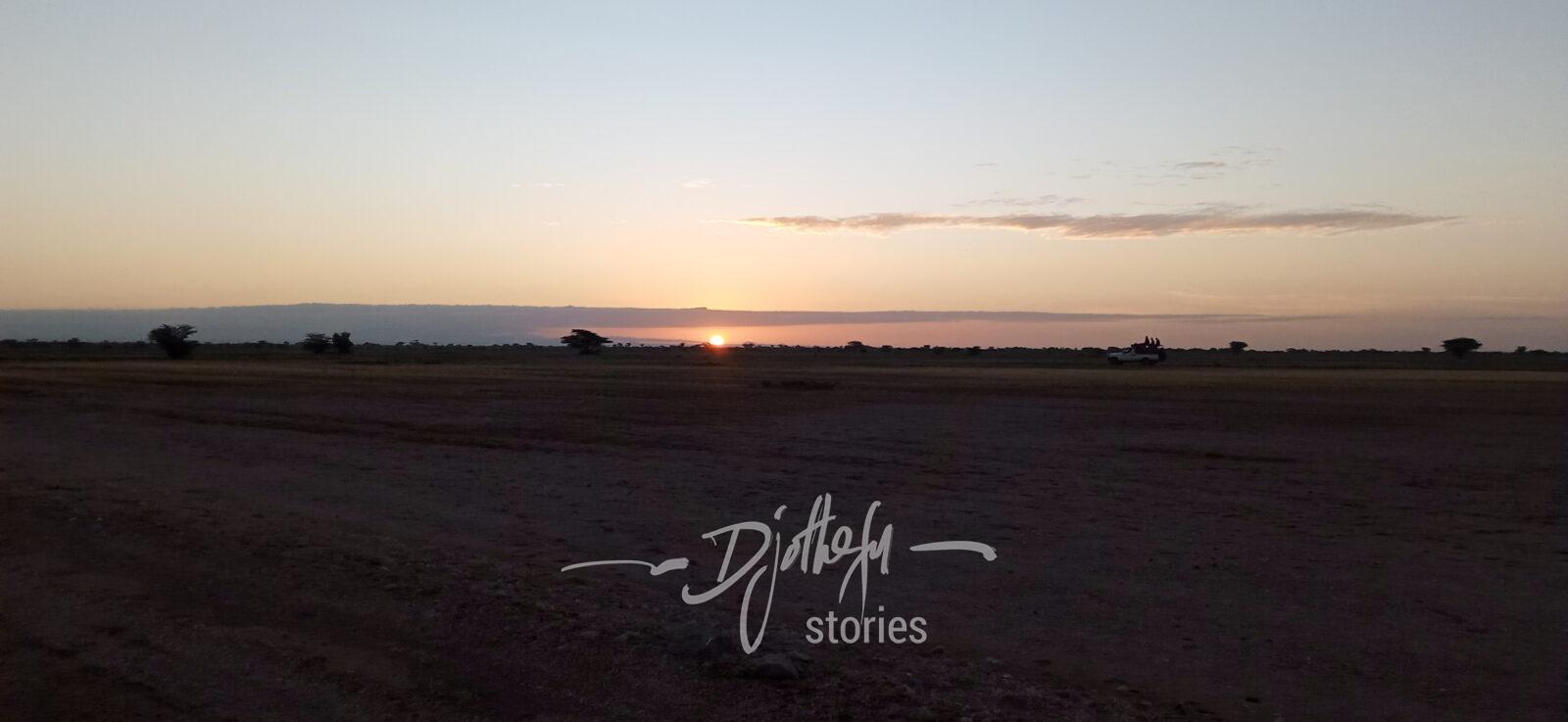
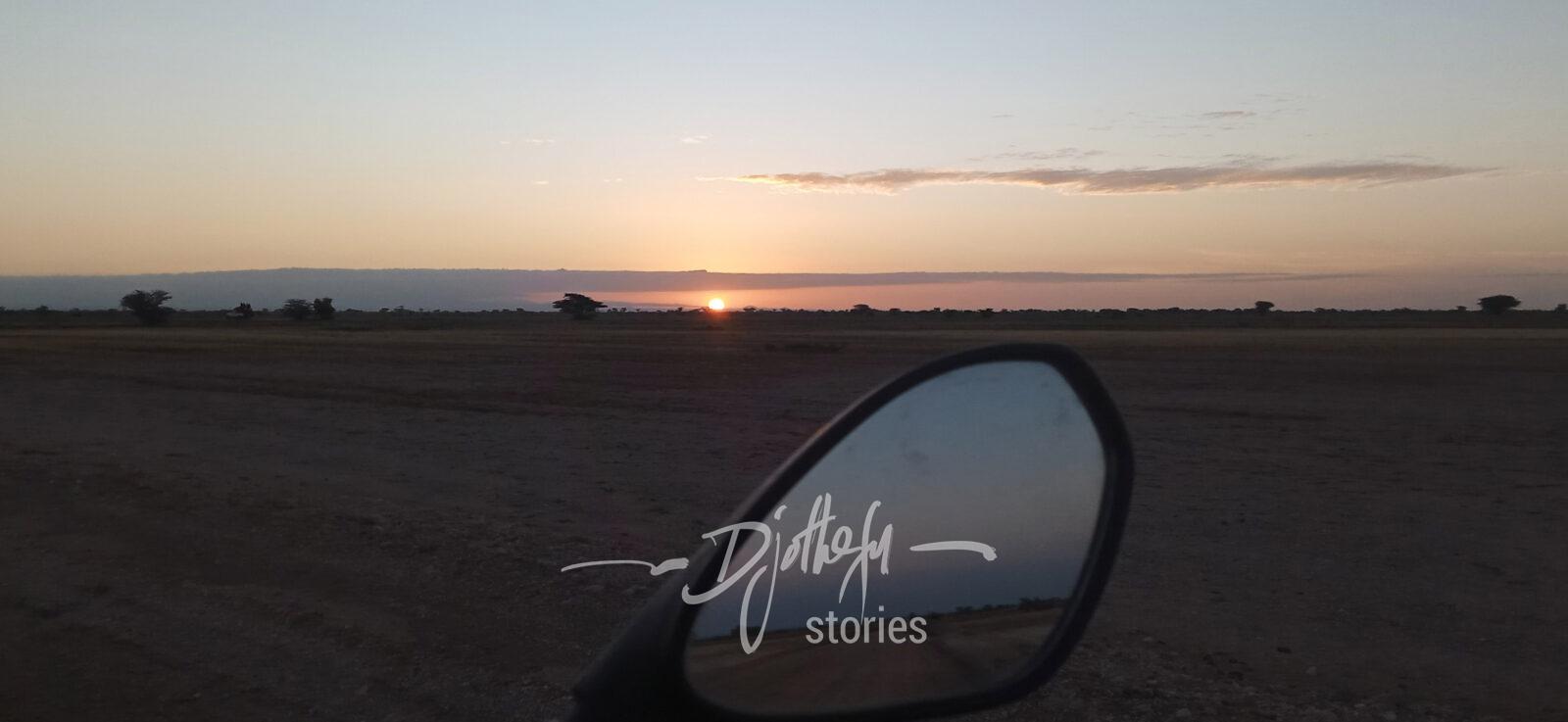
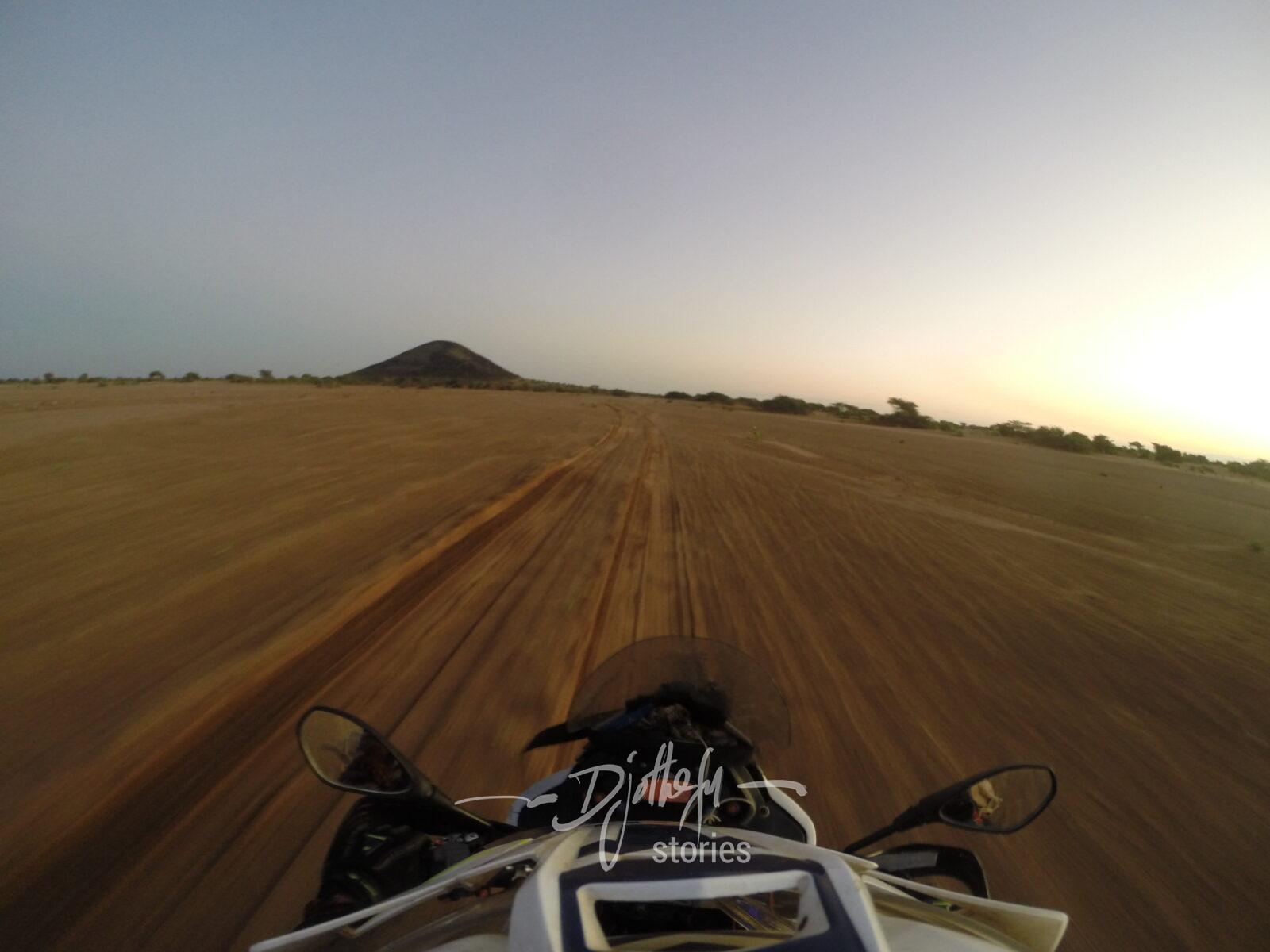
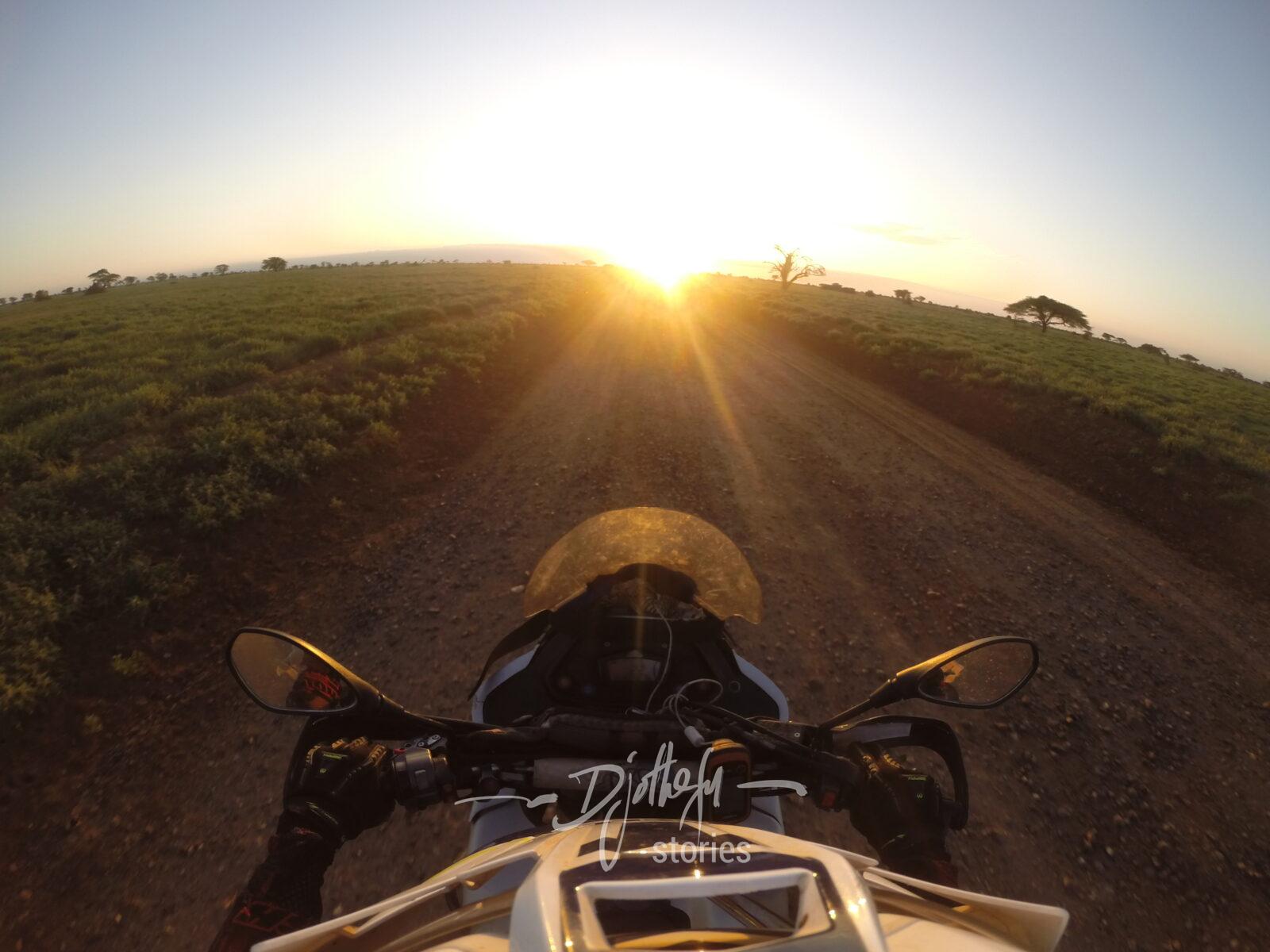
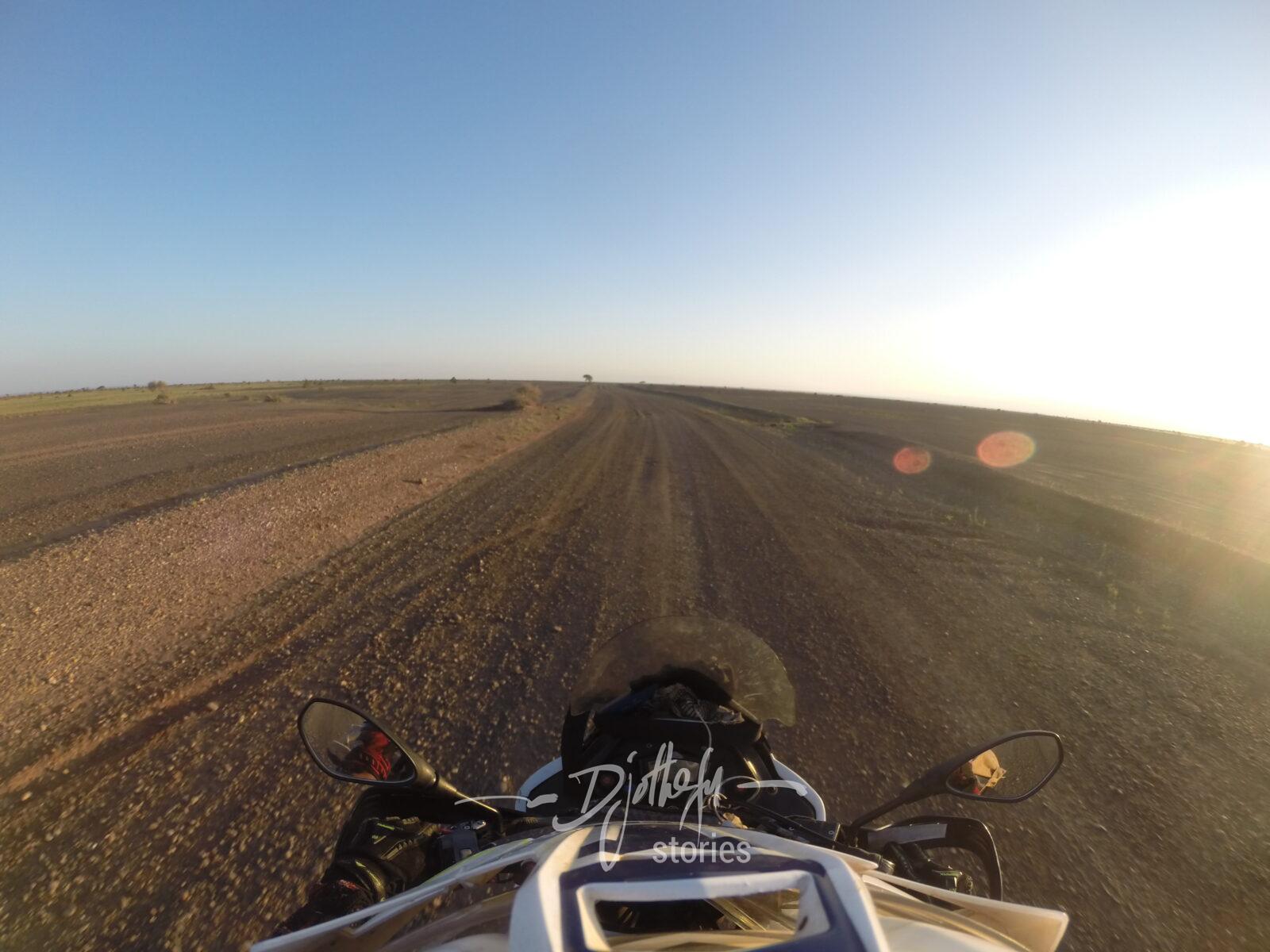
The hardest thing about the road from North Horr to Marsabit are the small ridges formed by vehicles. Those ridges shake every bolt and bone, causing bike to rattle and teeth to chatter. And that is all about this road, really. From Kalacha, there’s an alternative route that goes through Chalbi desert, where one can go fast in a straight line through the desert. But it’s been raining, and parts of the desert are muddy, so it’s unusable. Fr. Florian informed us that when one gets to Kalacha, you ask “Chalbi inapita?” Is the Chalbi passable? And the people of Kalacha will inform you.
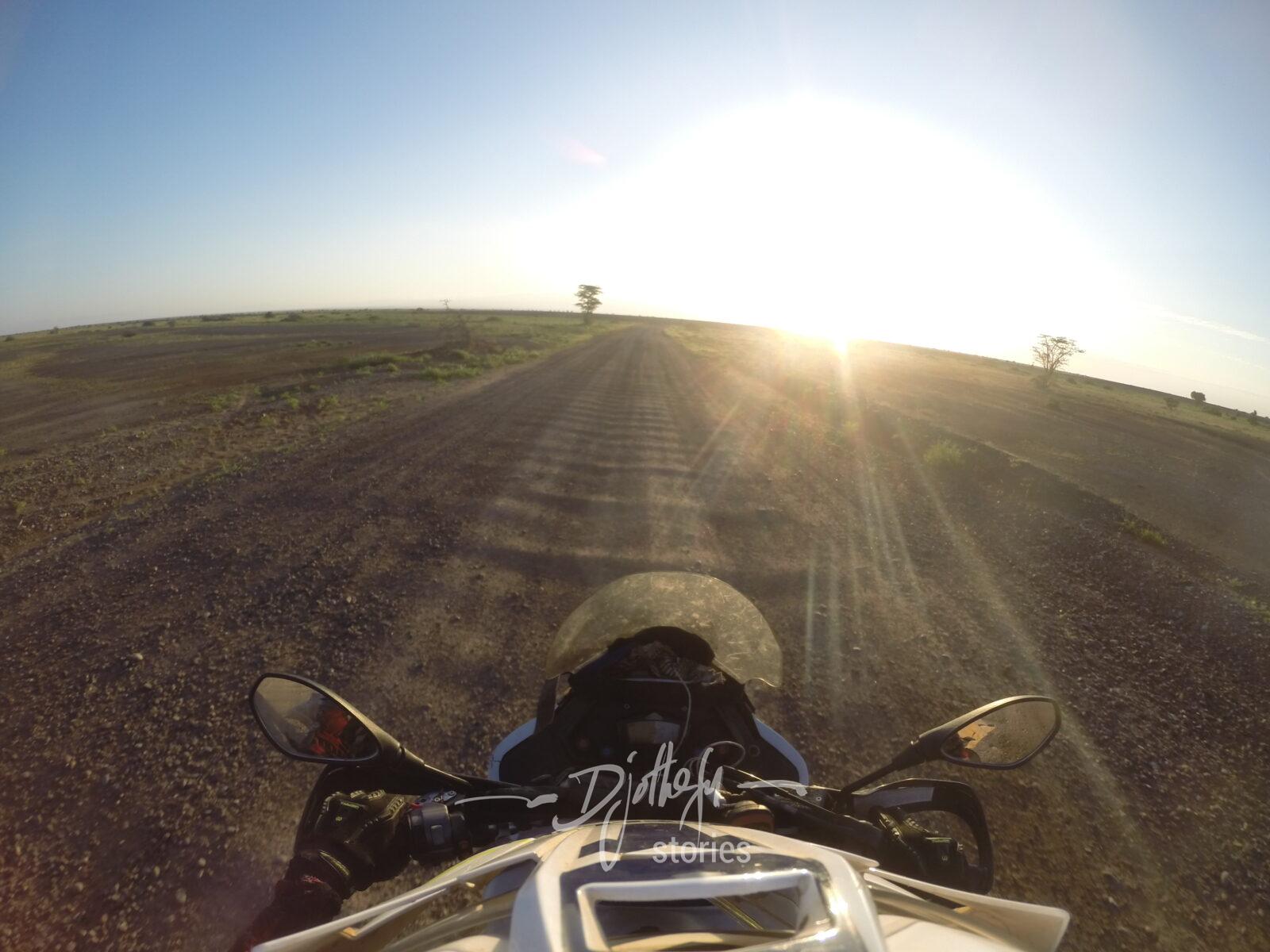


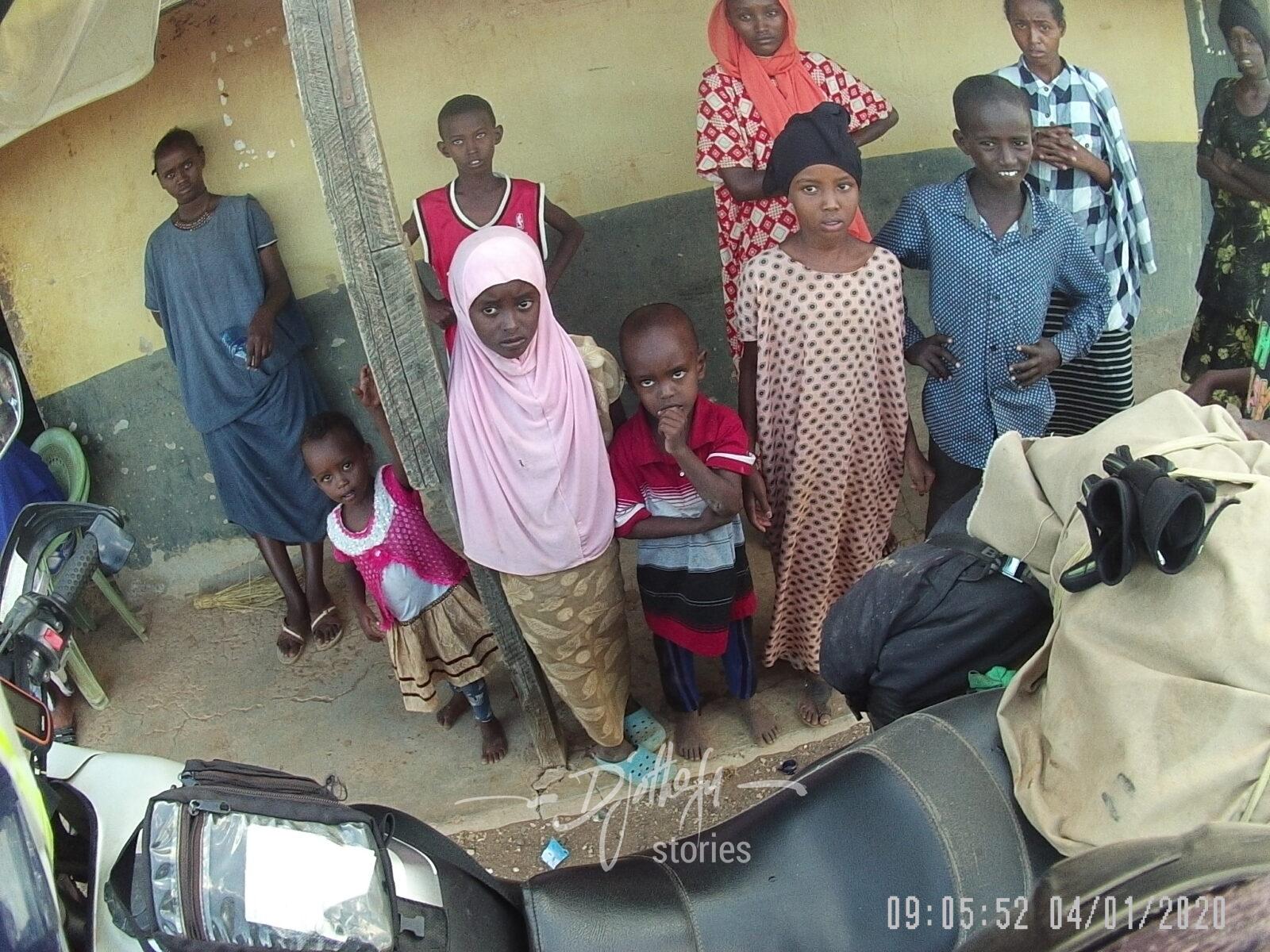
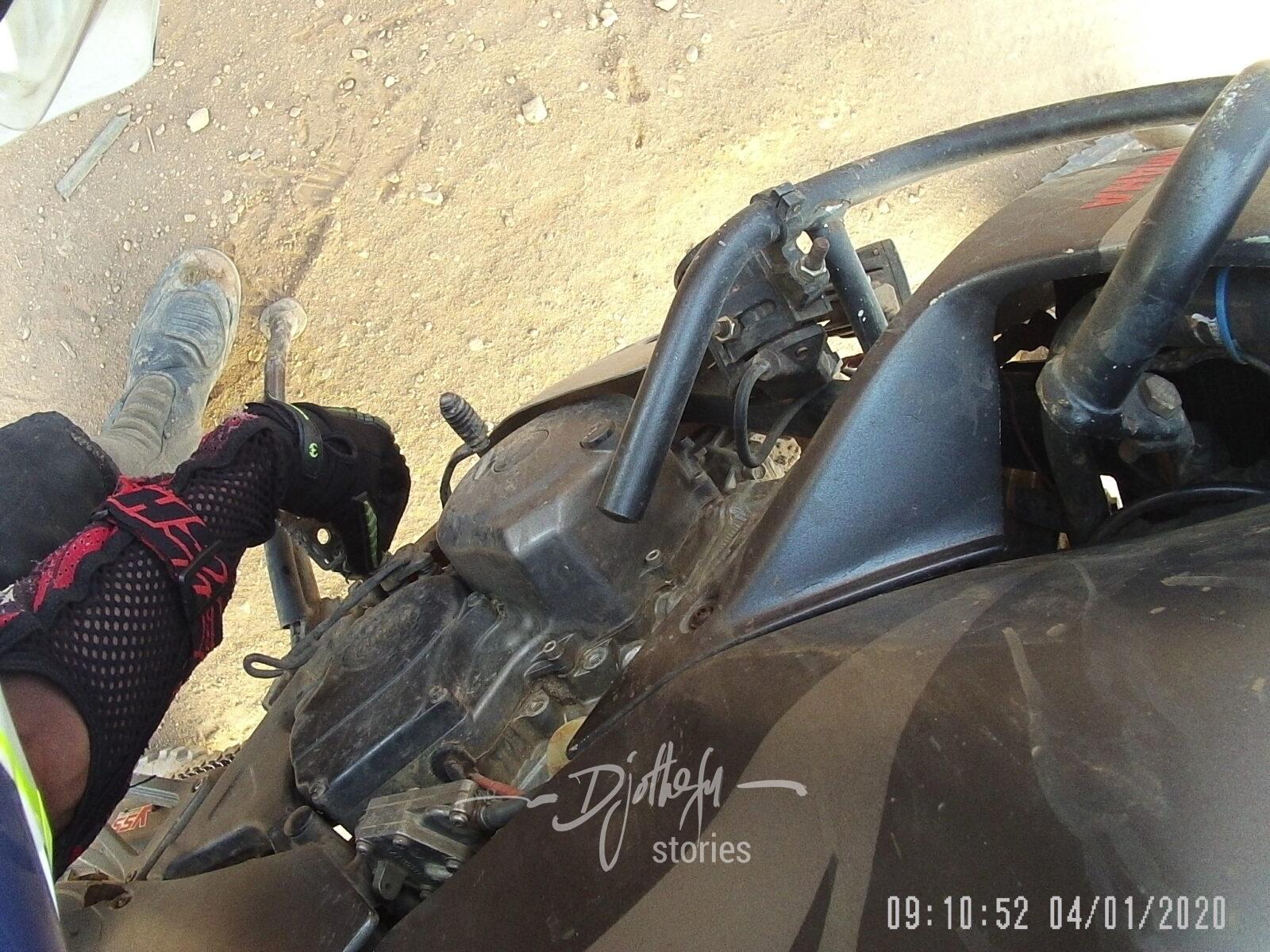
My gear lever has been giving me trouble since the days in the park. One of the falls bent it a bit. I decide to sort it out here before proceeding. Instead of removing all the stuff in my bags to reach my tools, I ask around for quick help. Someone comes with a large tube and straightens it out. We chat a bit, they tell me Chalbi is not passable, it’s muddy, and tell me to go “through the stones.” That’s how they describe the regular road.




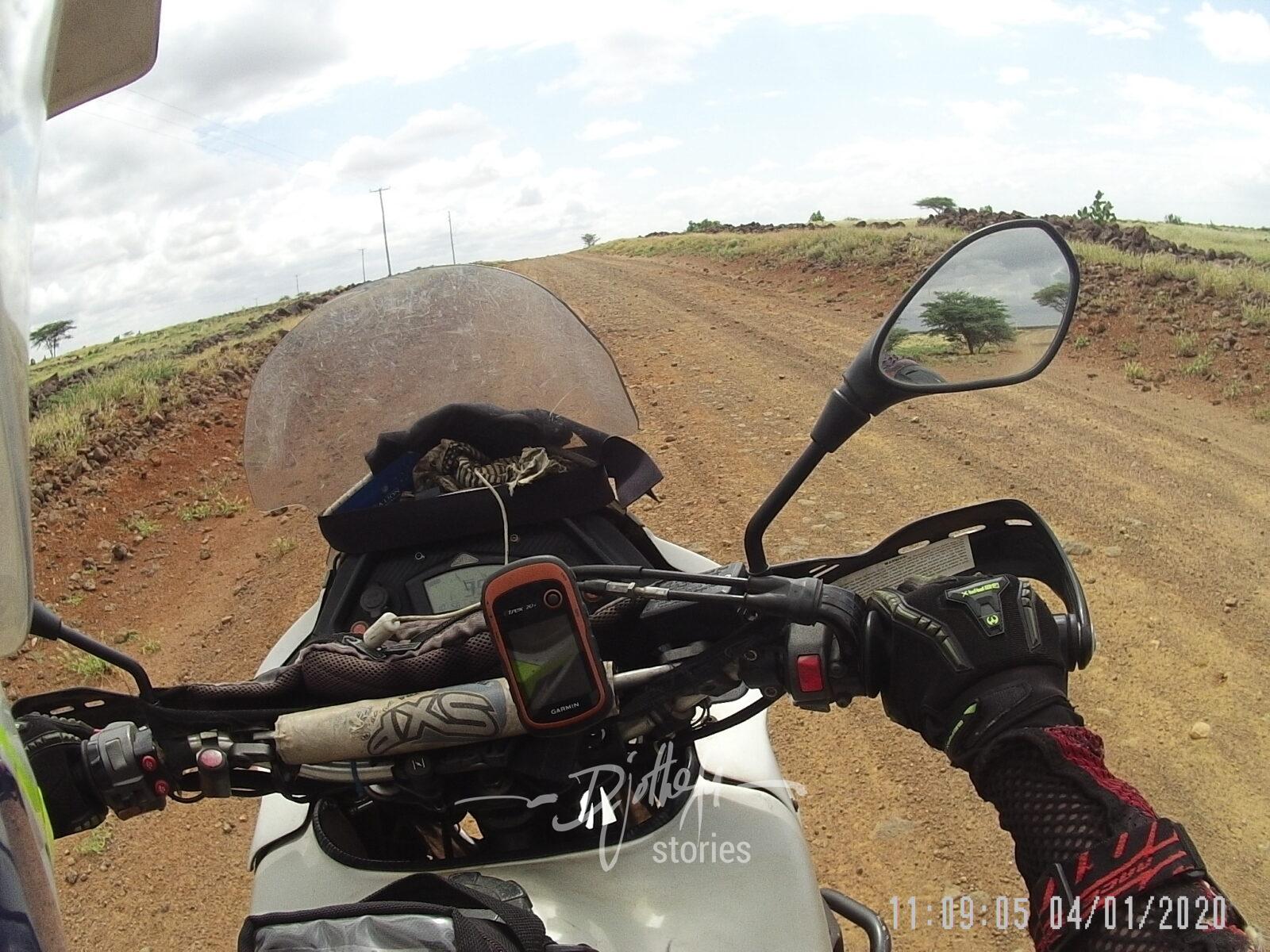
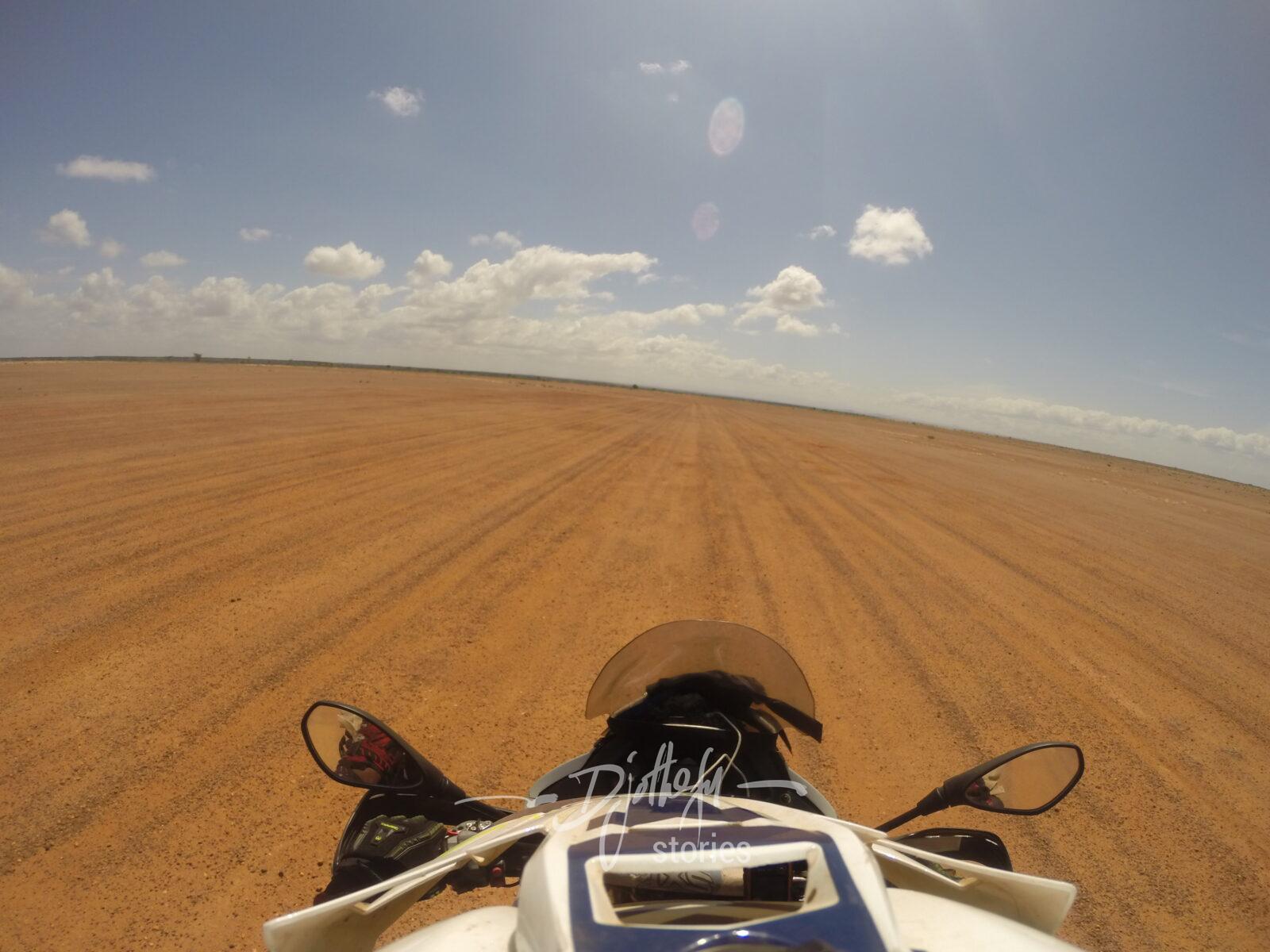
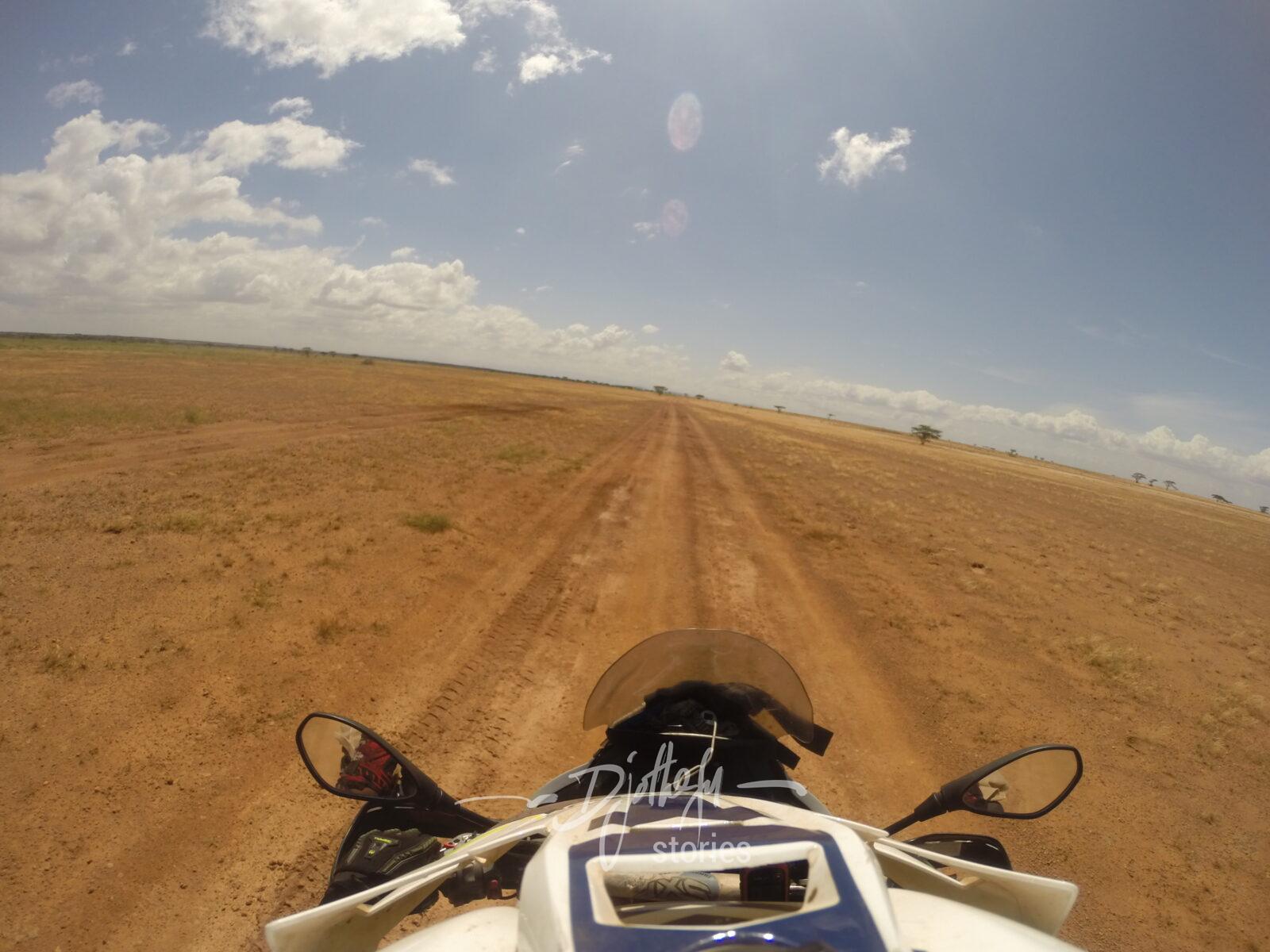
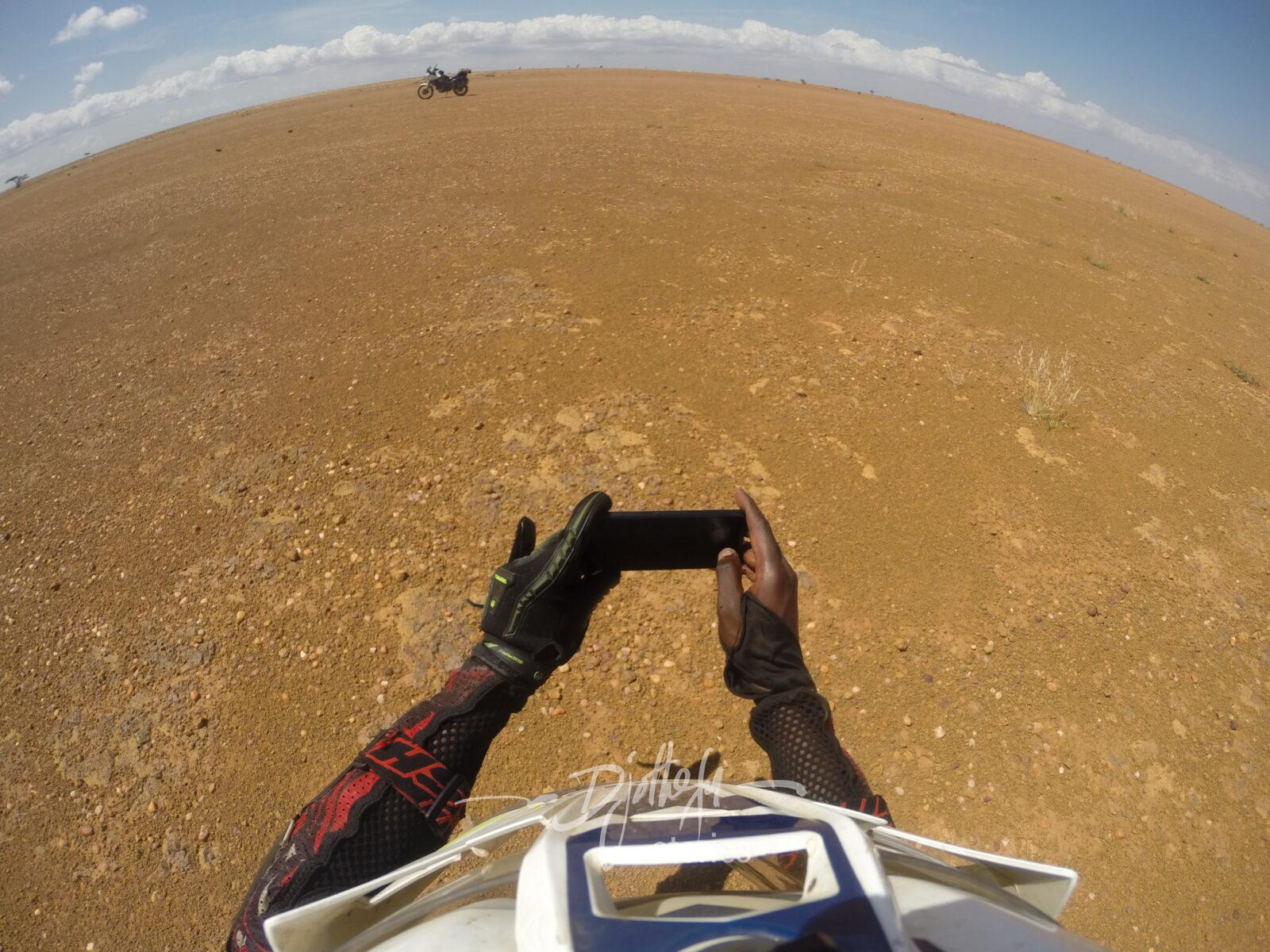
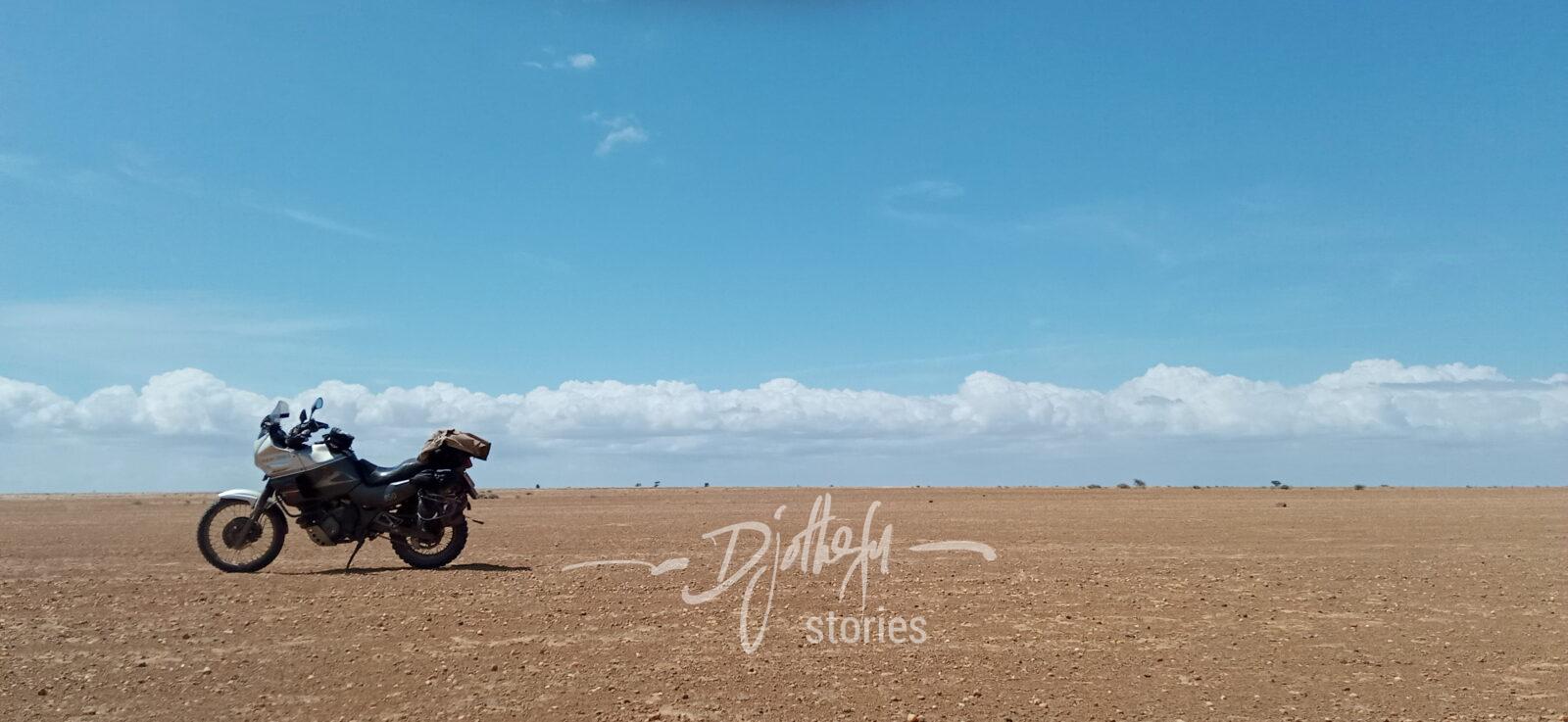
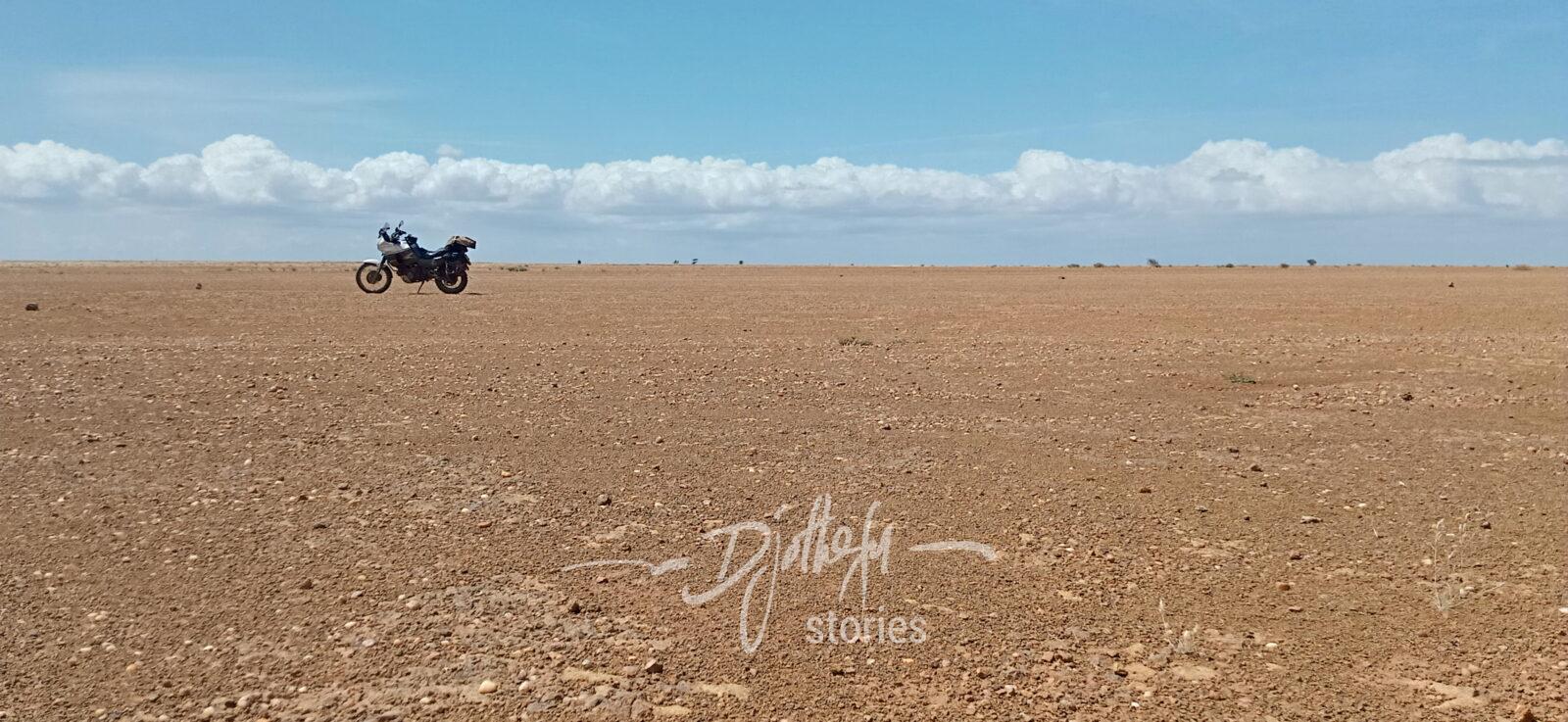
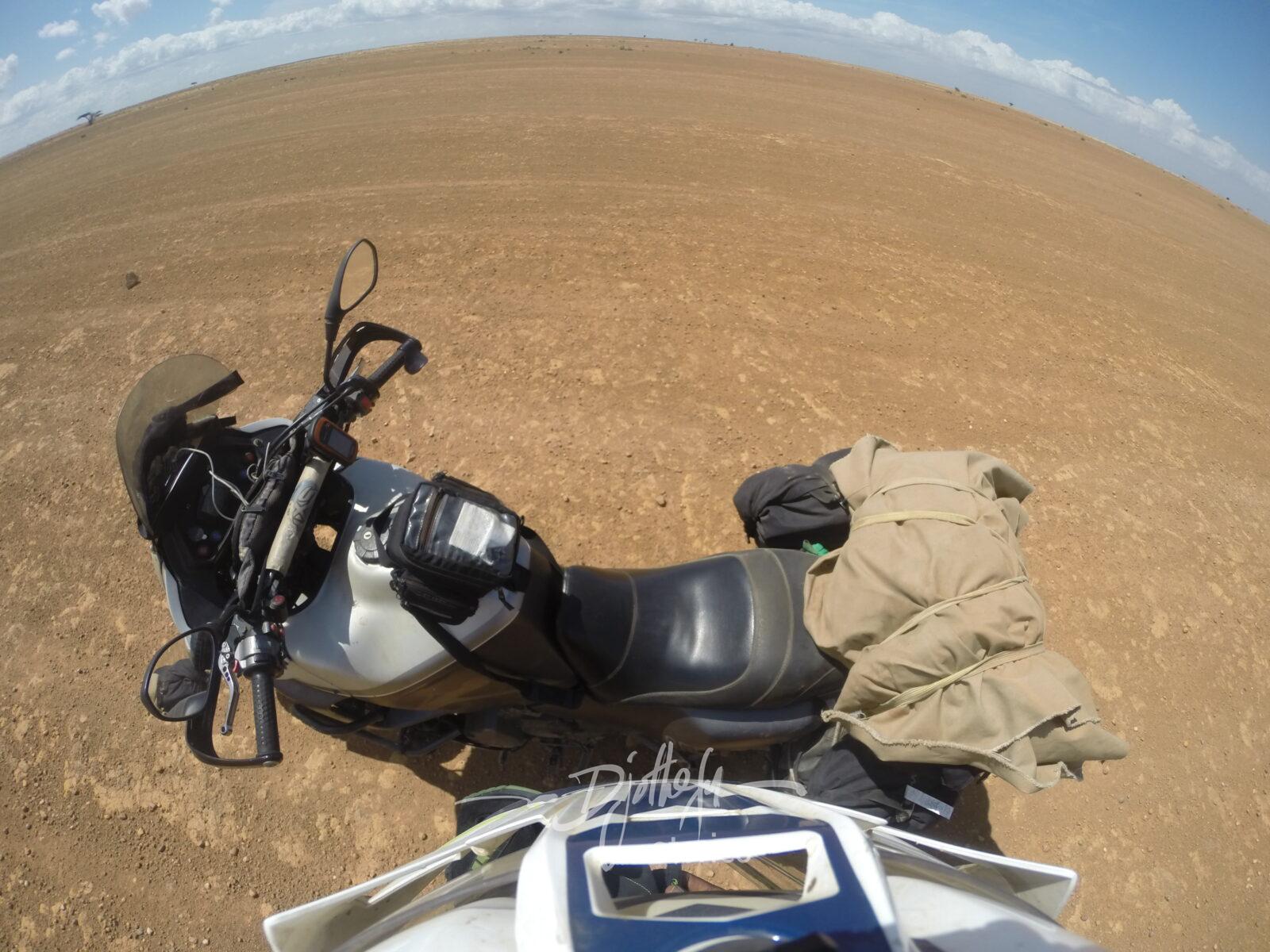
In this section, there’s a road somewhere. But it’s horrible with those ridges, drivers opt to make a run through this desertland instead. It’s better than the actual road.

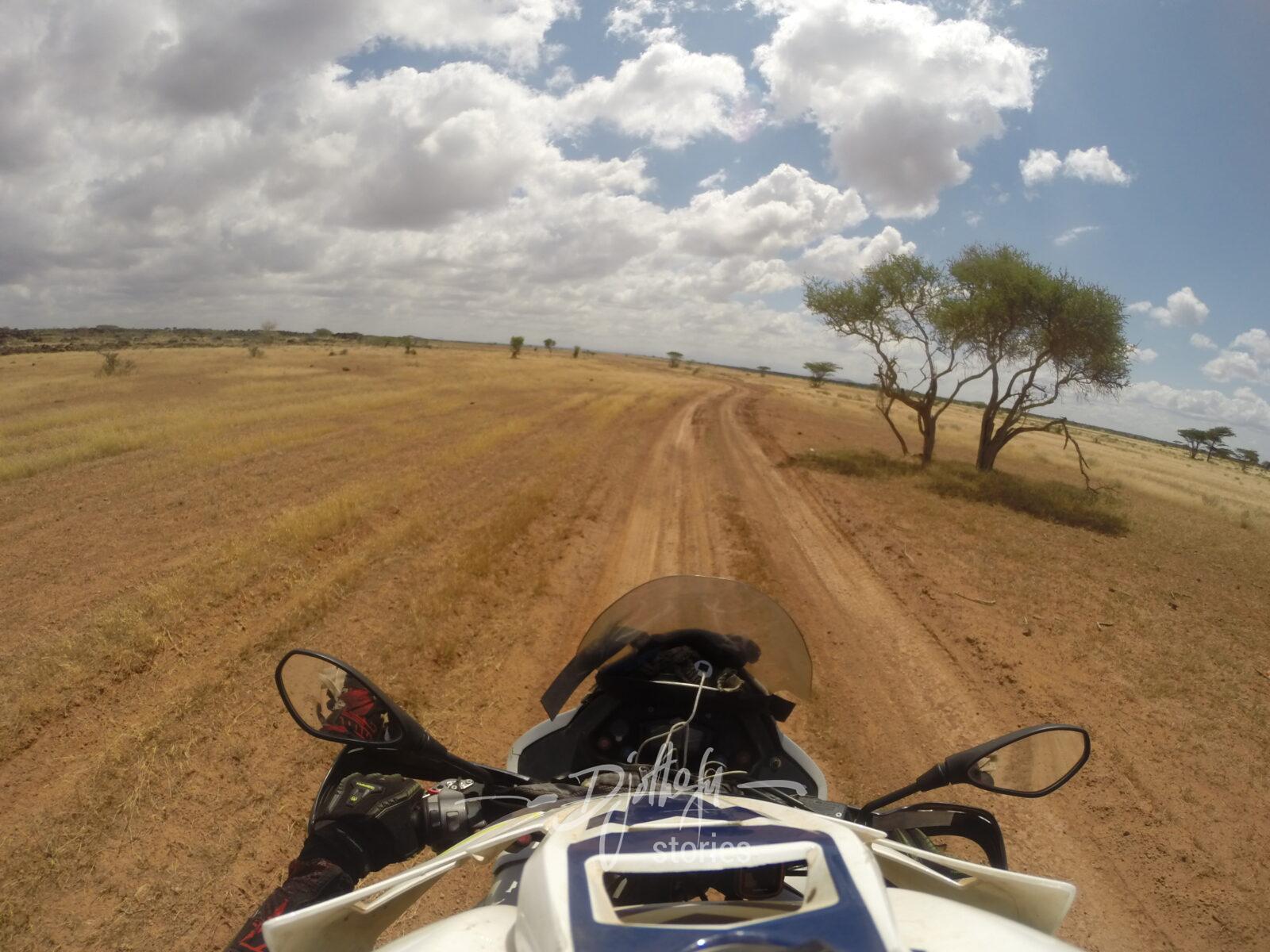
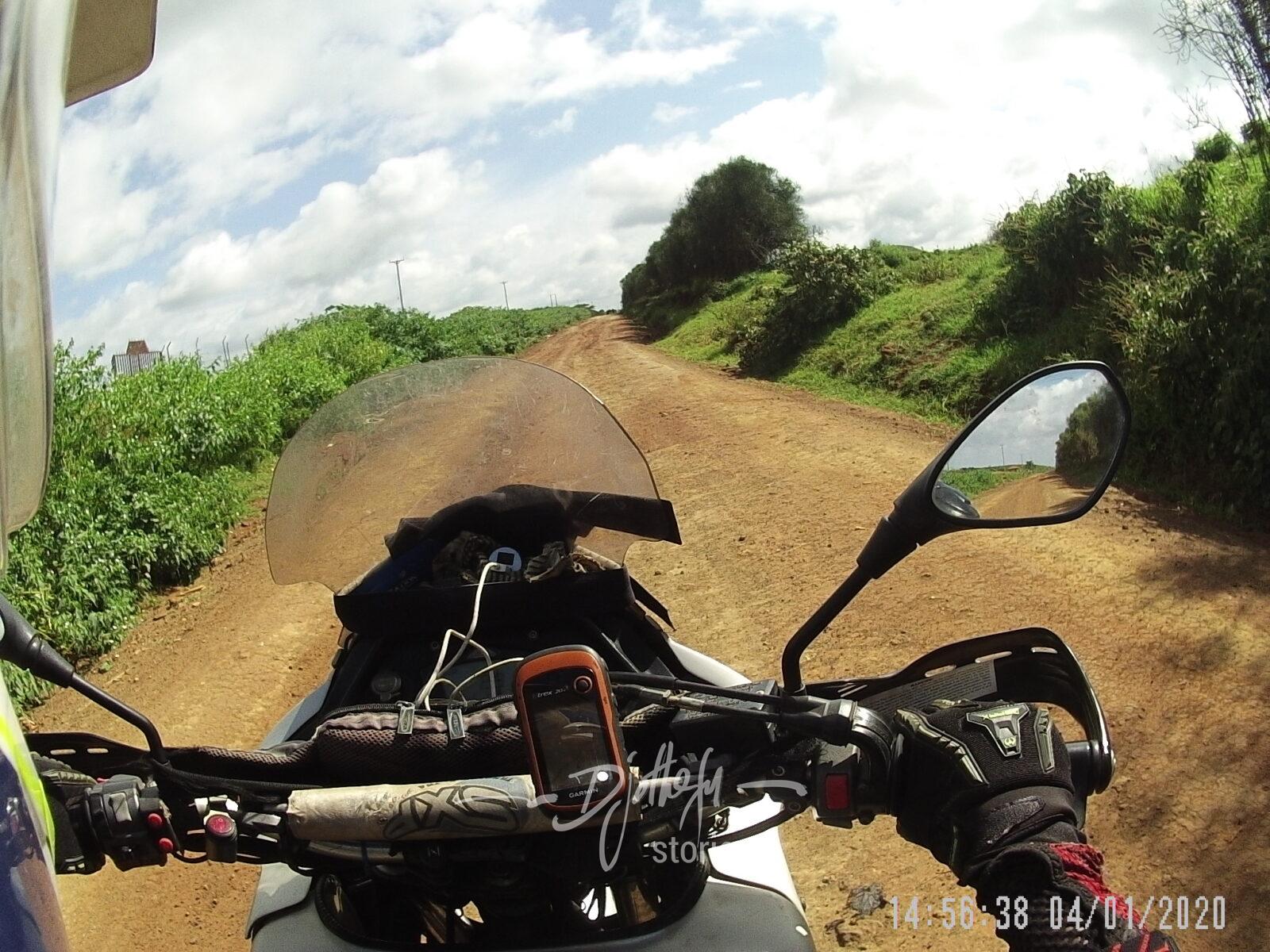
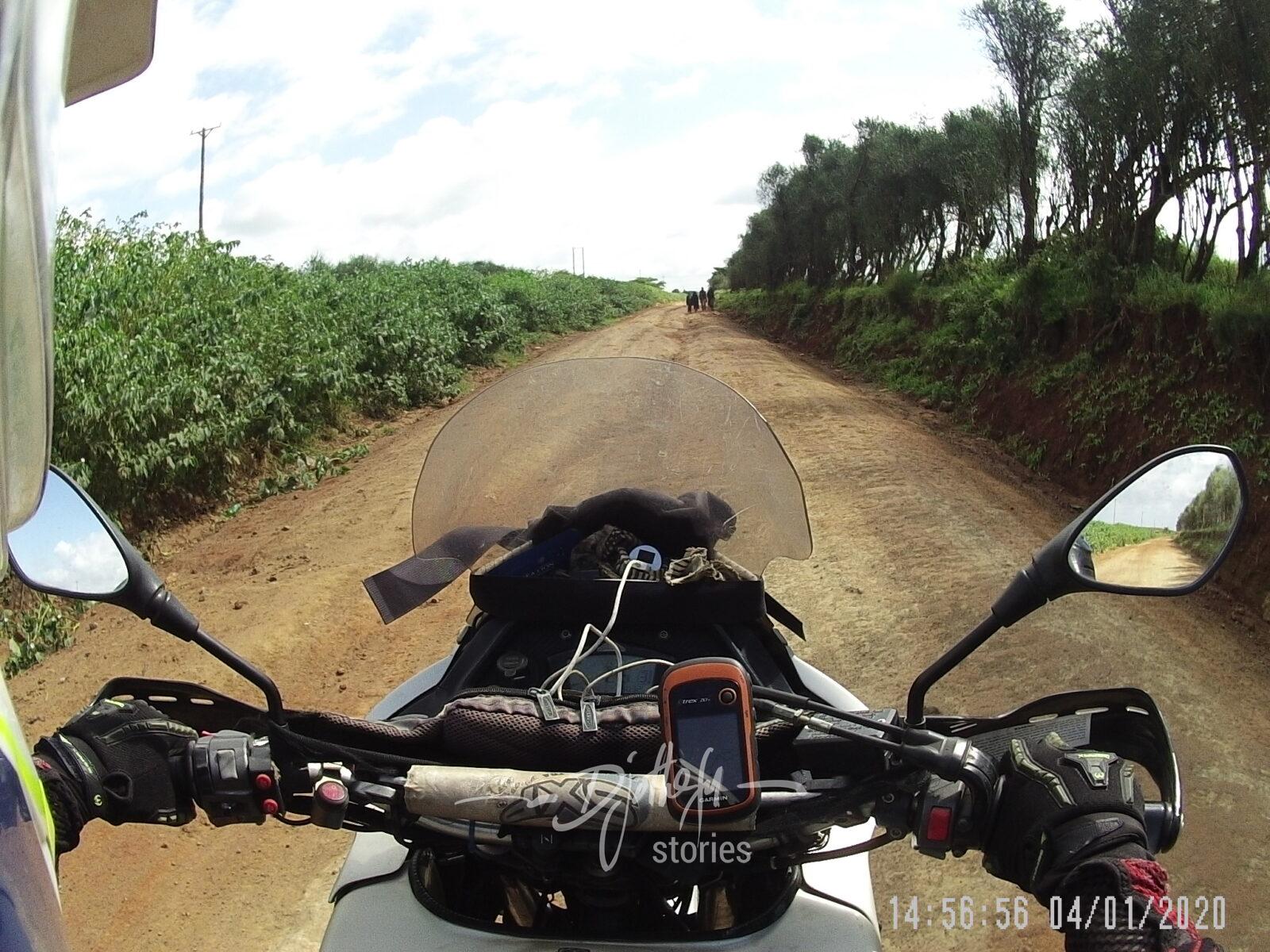
At last, I get to the tarmac road at Marsabit! I’m worn out but happy! I still want to roll down the 250 kilometers to Isiolo.
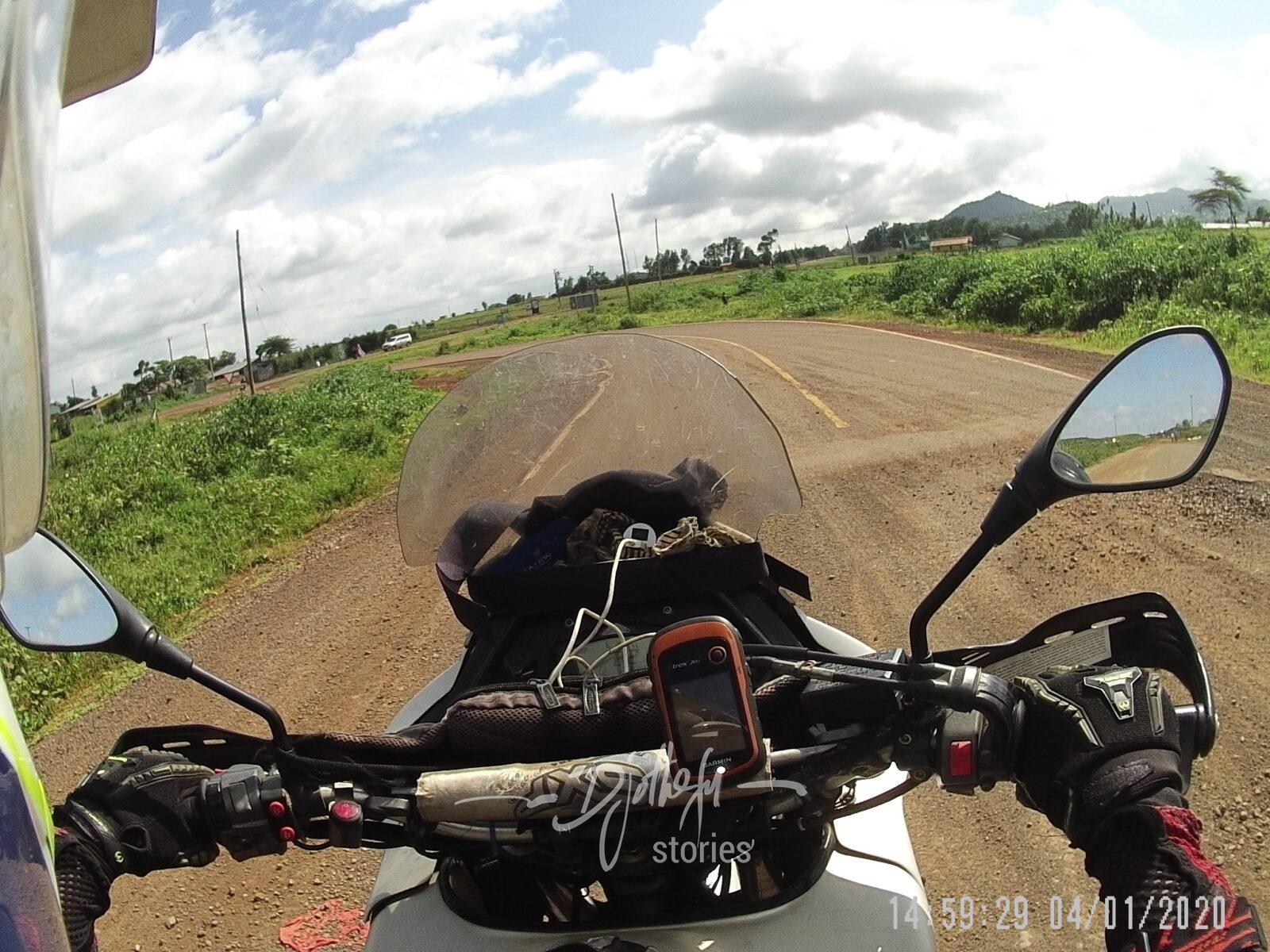
After so many days off-roading in the Daasanach fora, coming on to tarmac is kind of a mini-cultural shock. The tarmac looks strange. And why are there so many people? Why are there so many vehicles? I had forgotten there exist side mirrors. Suddenly I’m reminded that I have to use them. They are pointing in all directions, adjust them. I need to remember how to manoeuvre among so many cars, pedestrians and motorcycles and chaos.
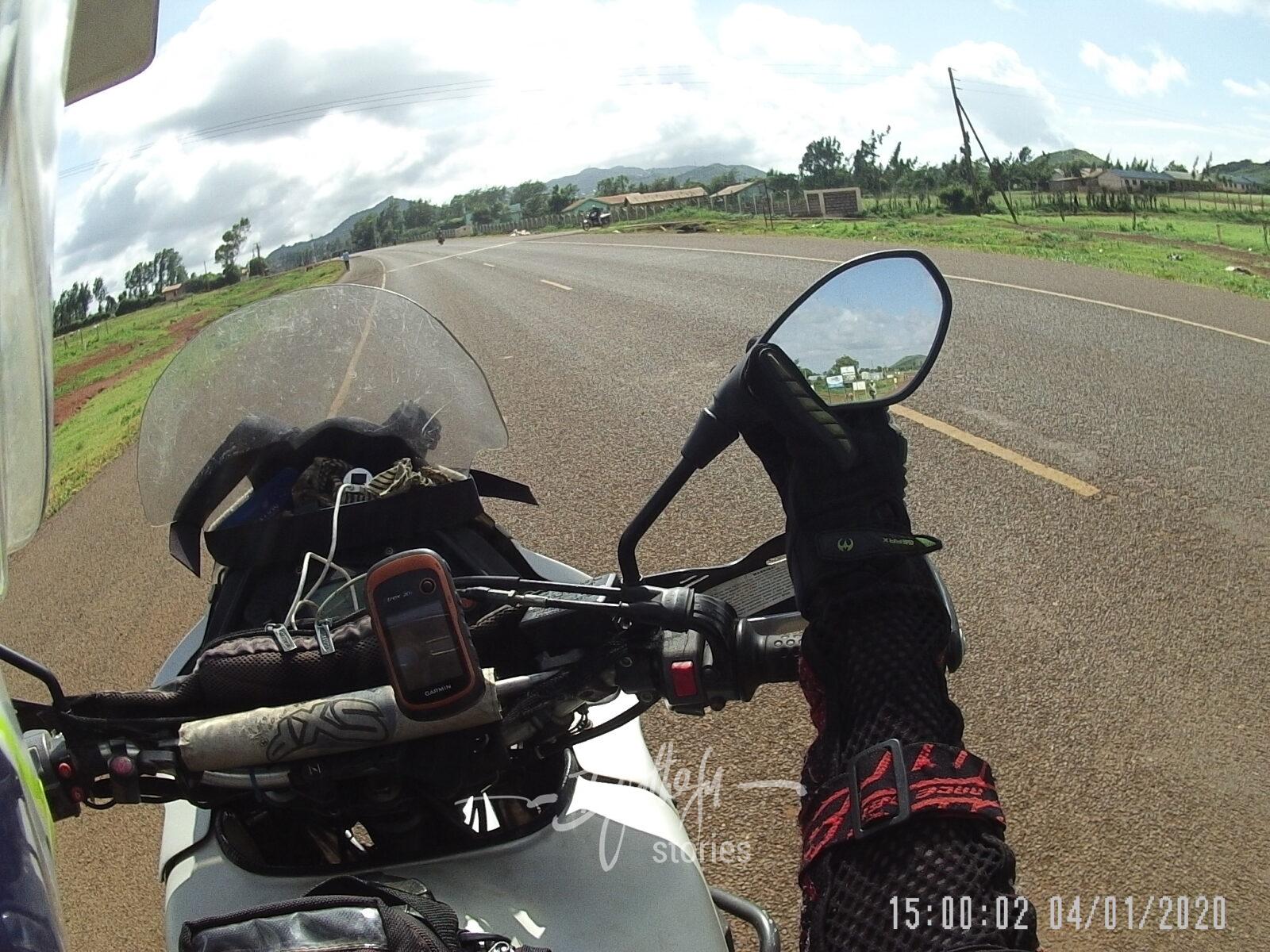

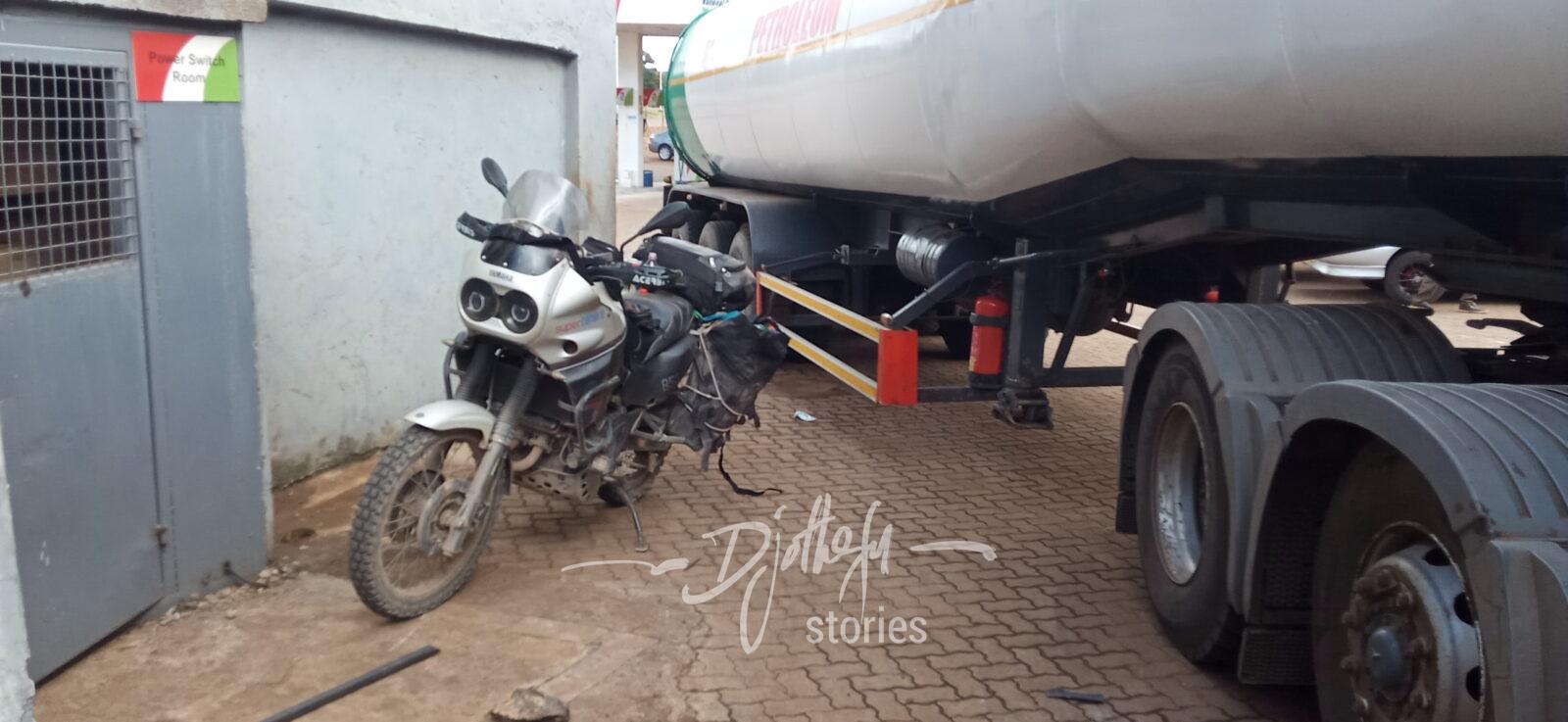
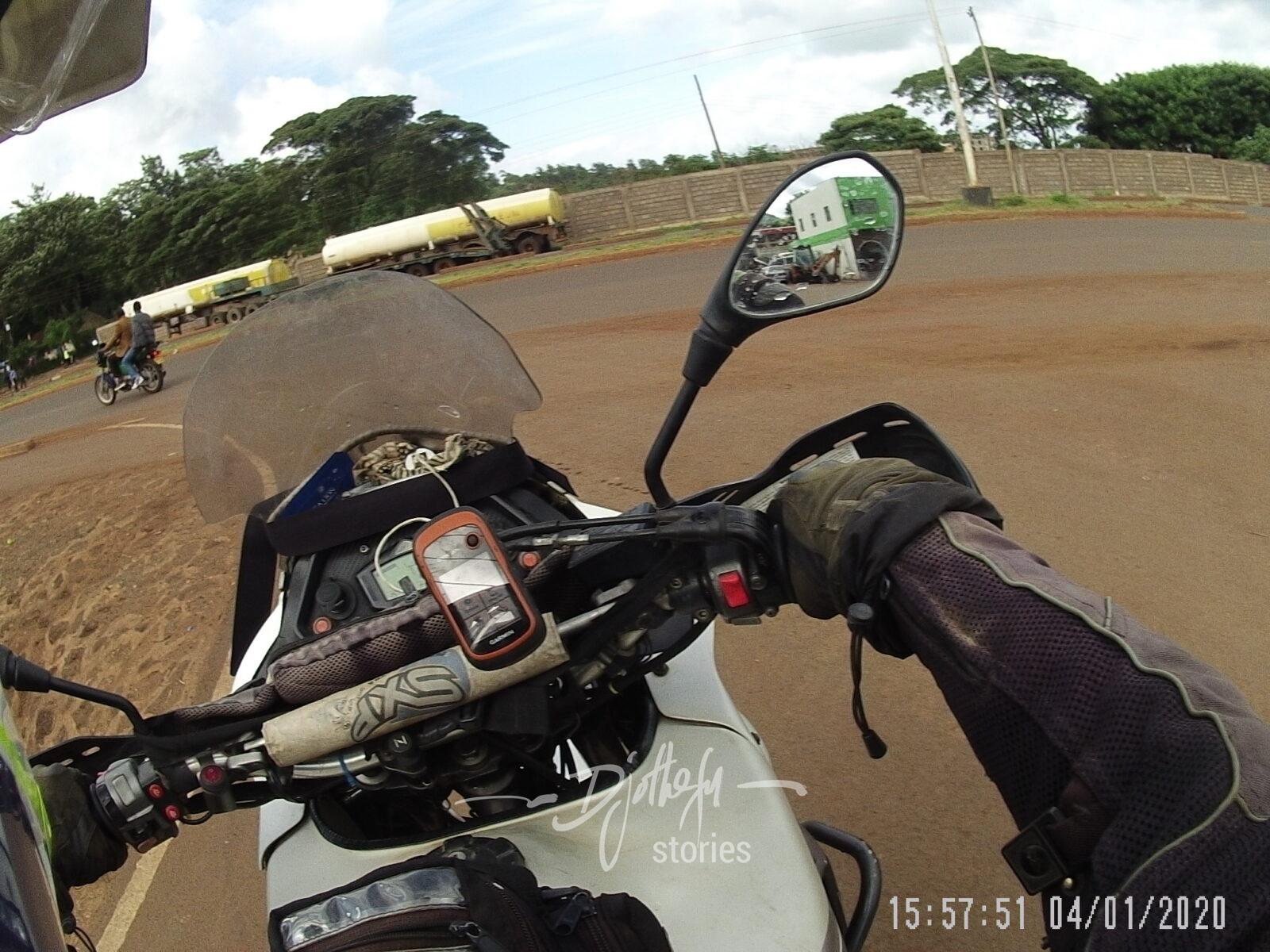
I roll into a petrol station to fuel up. I take the chance to snack. This trip has taught me that eating a few huge meals a day doesn’t work for me on long trips. I seem to lose appetite in strange places, eat so little, and spend the day weak and craving sugar. Notes for the future: carry food and drinks and stop and snack up as many times as possible. I rearrange my luggage to have my rain gear accessible. Then I begin my tarmac ride down to Isiolo. I’m really tired, but on tarmac all I need is to be alert. Just sit and roll.

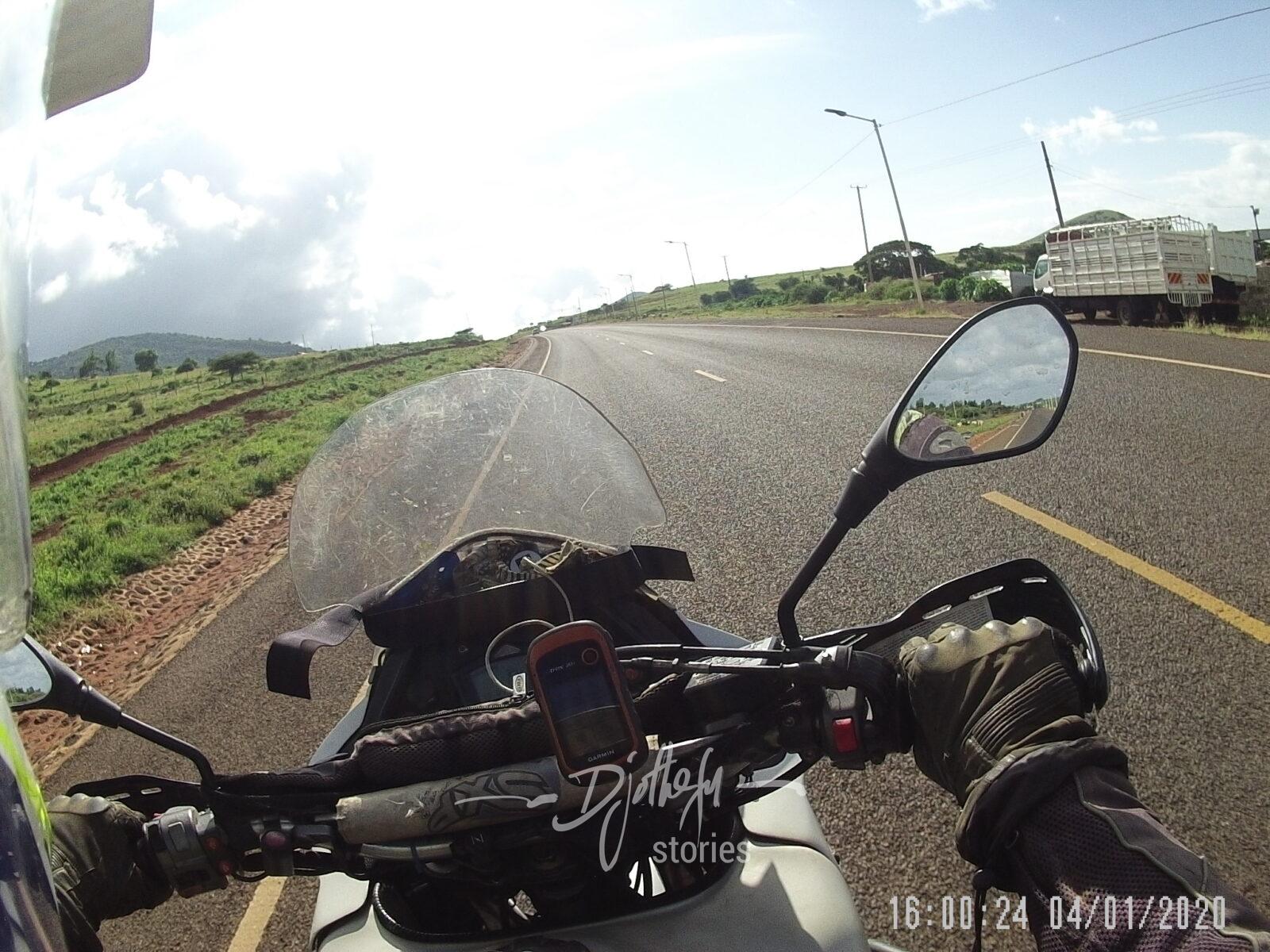
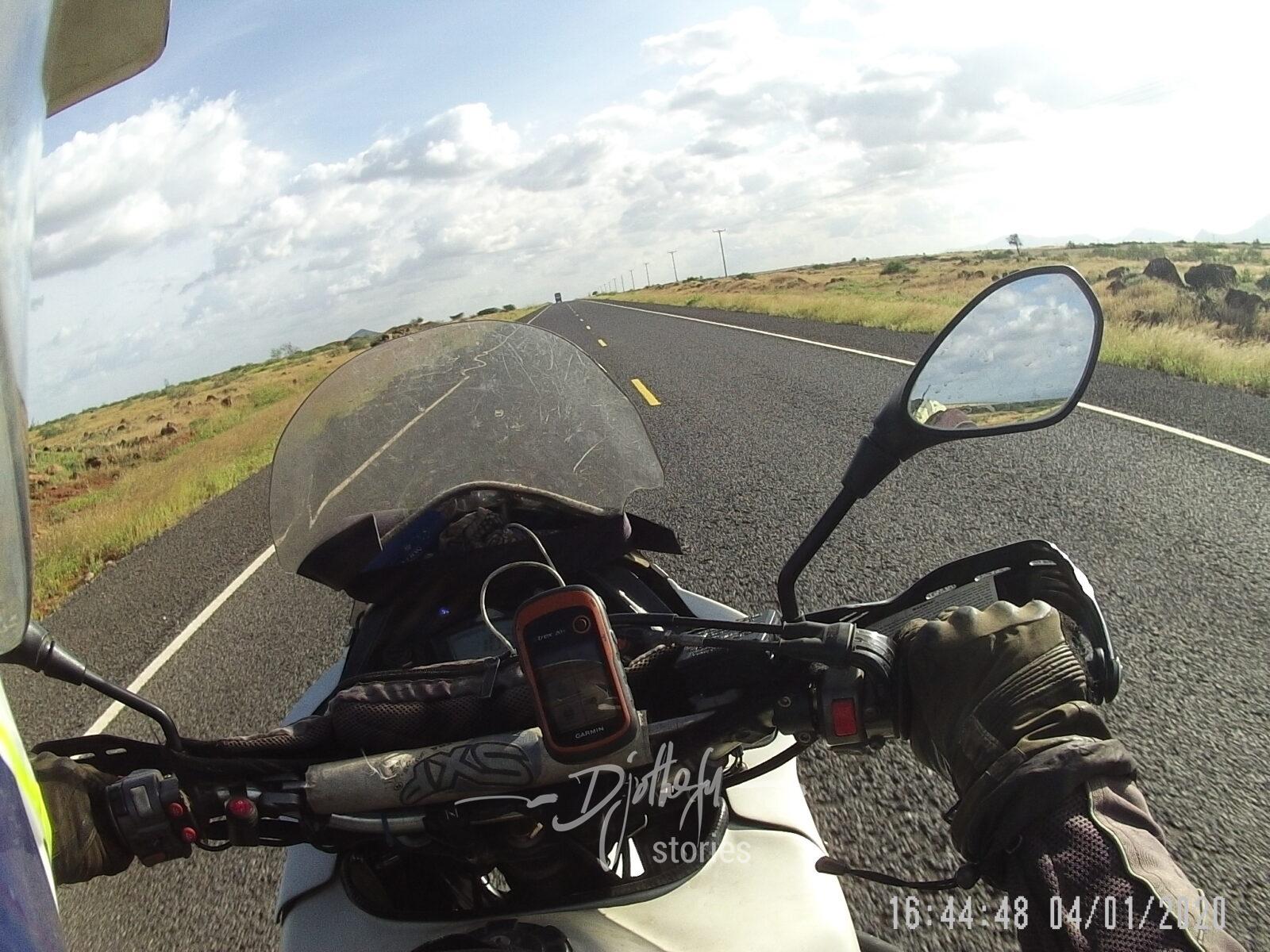
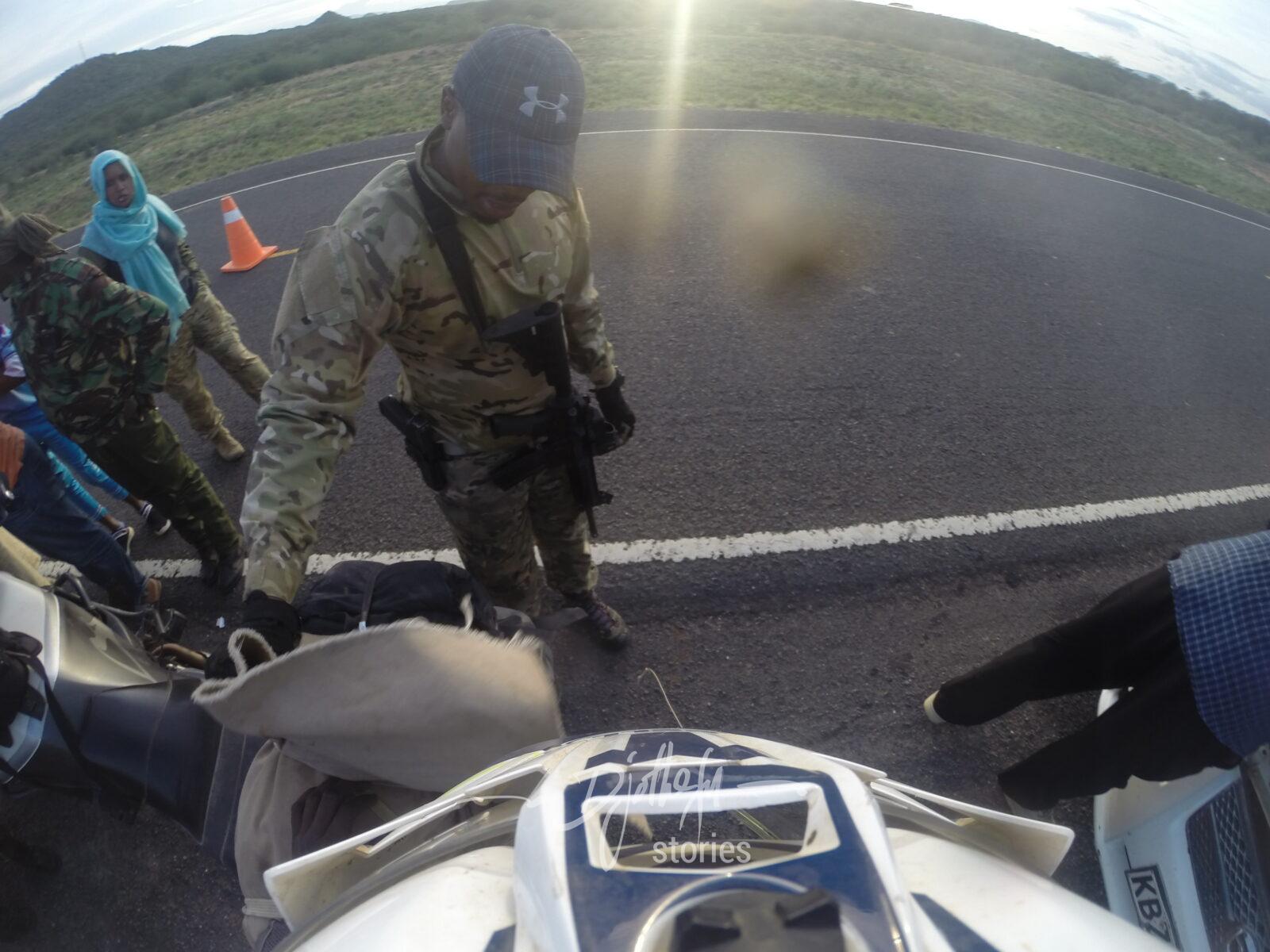
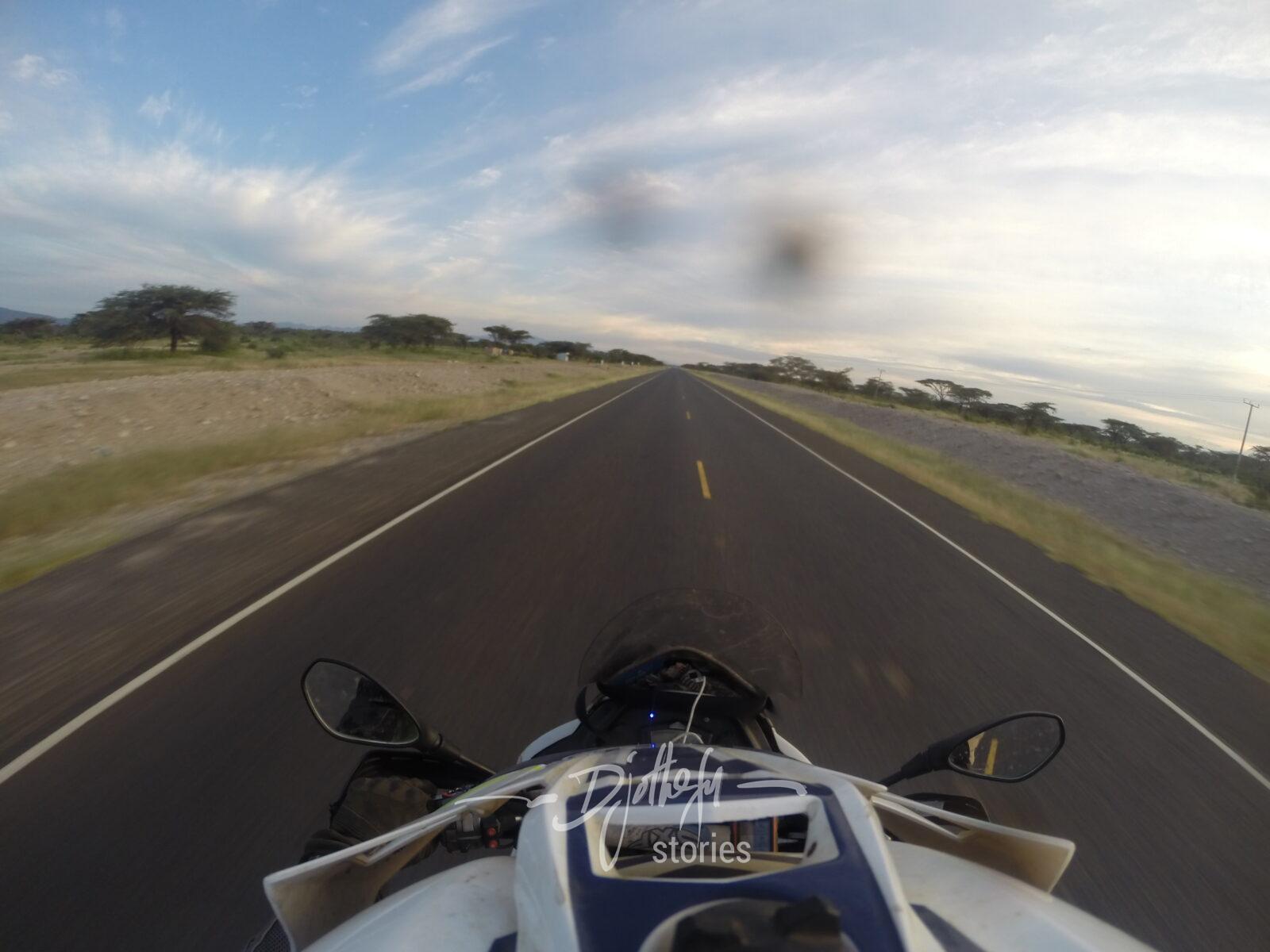
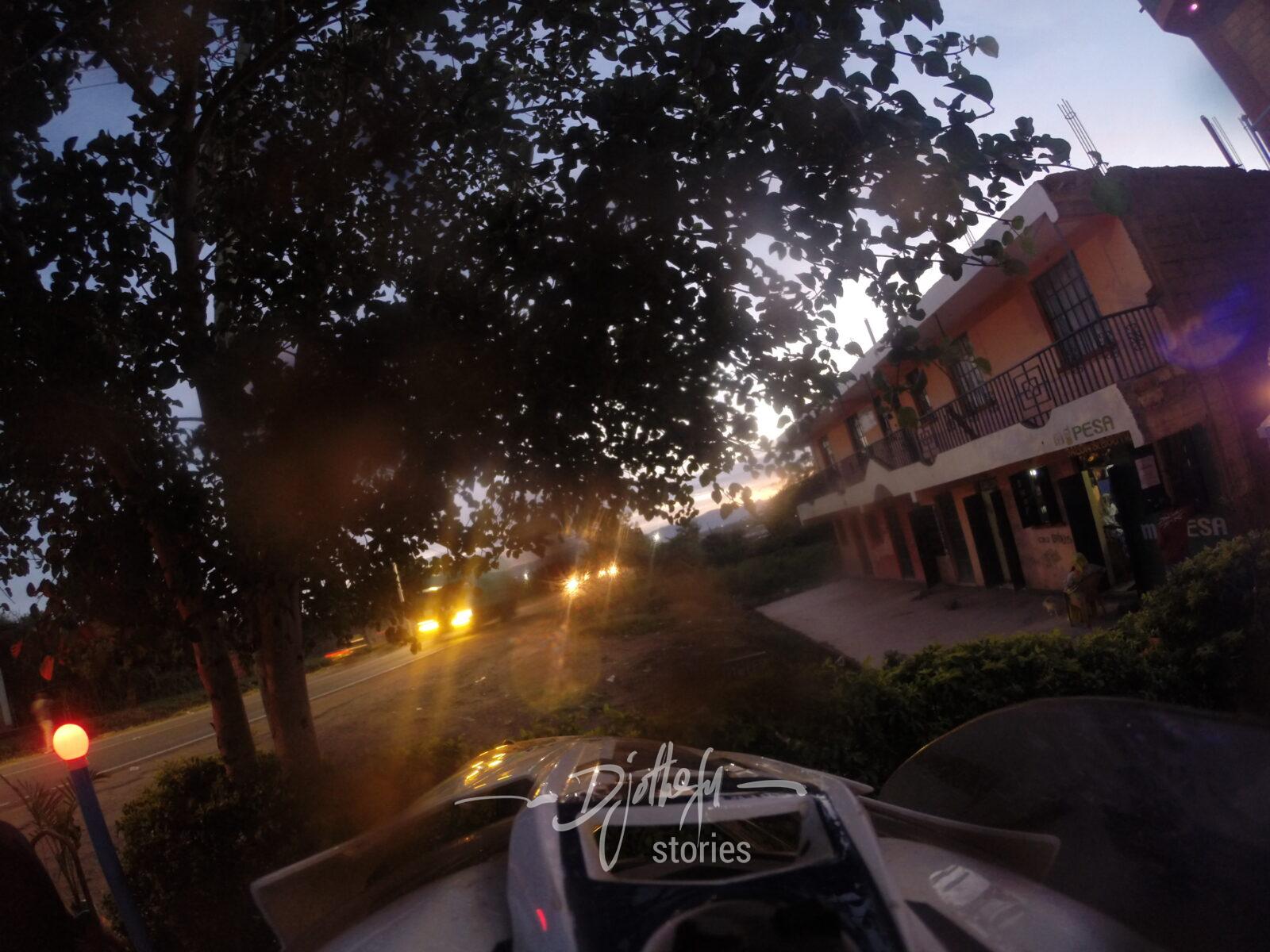
Had to photograph the sunset, approaching Isiolo.
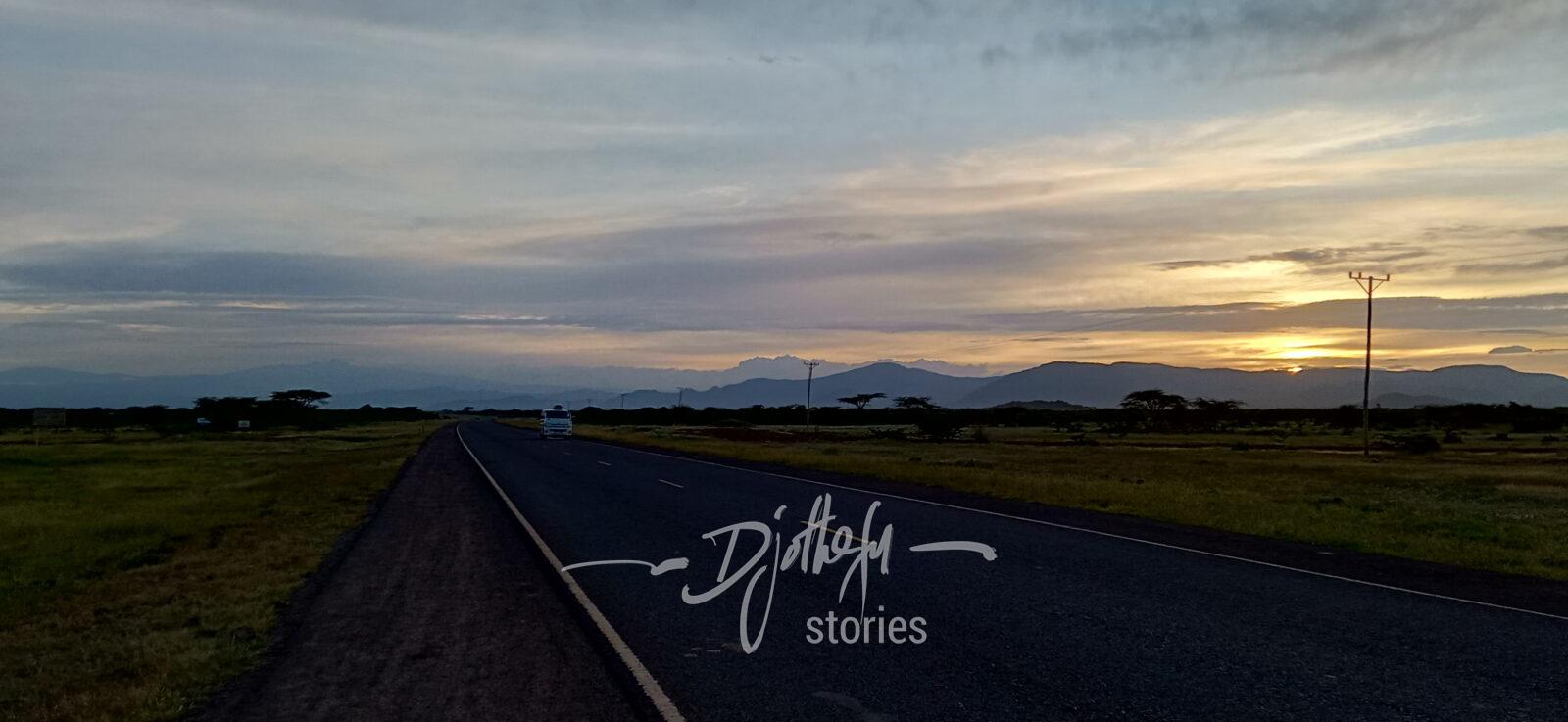
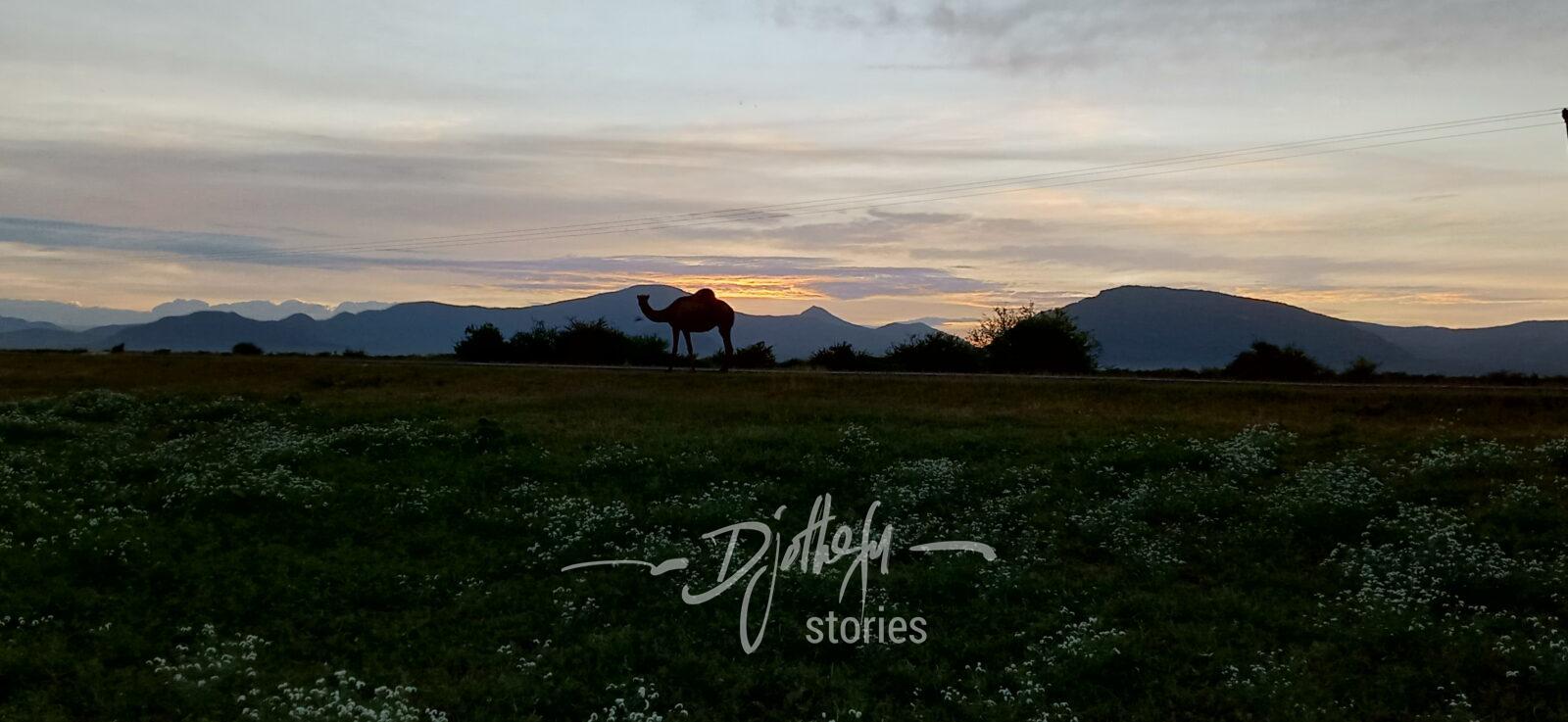
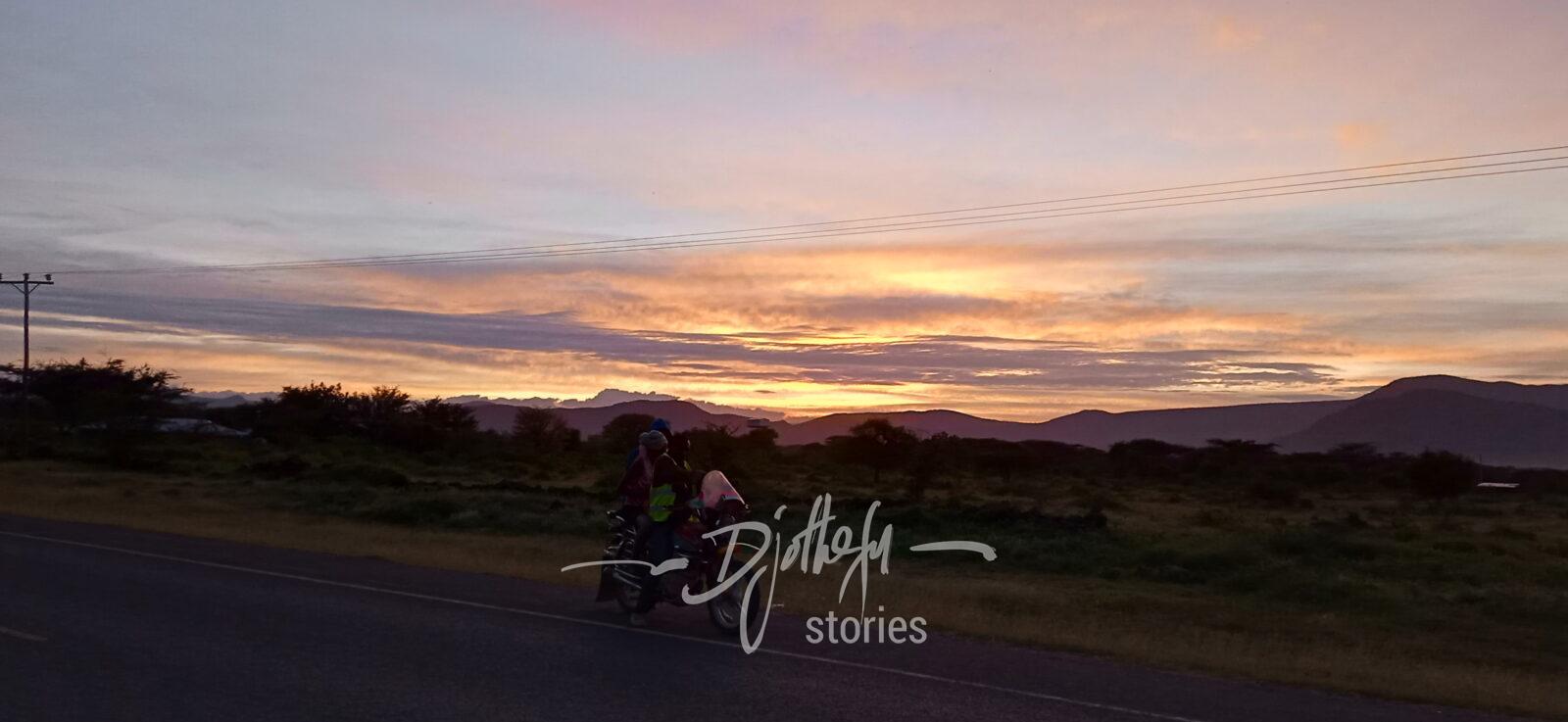
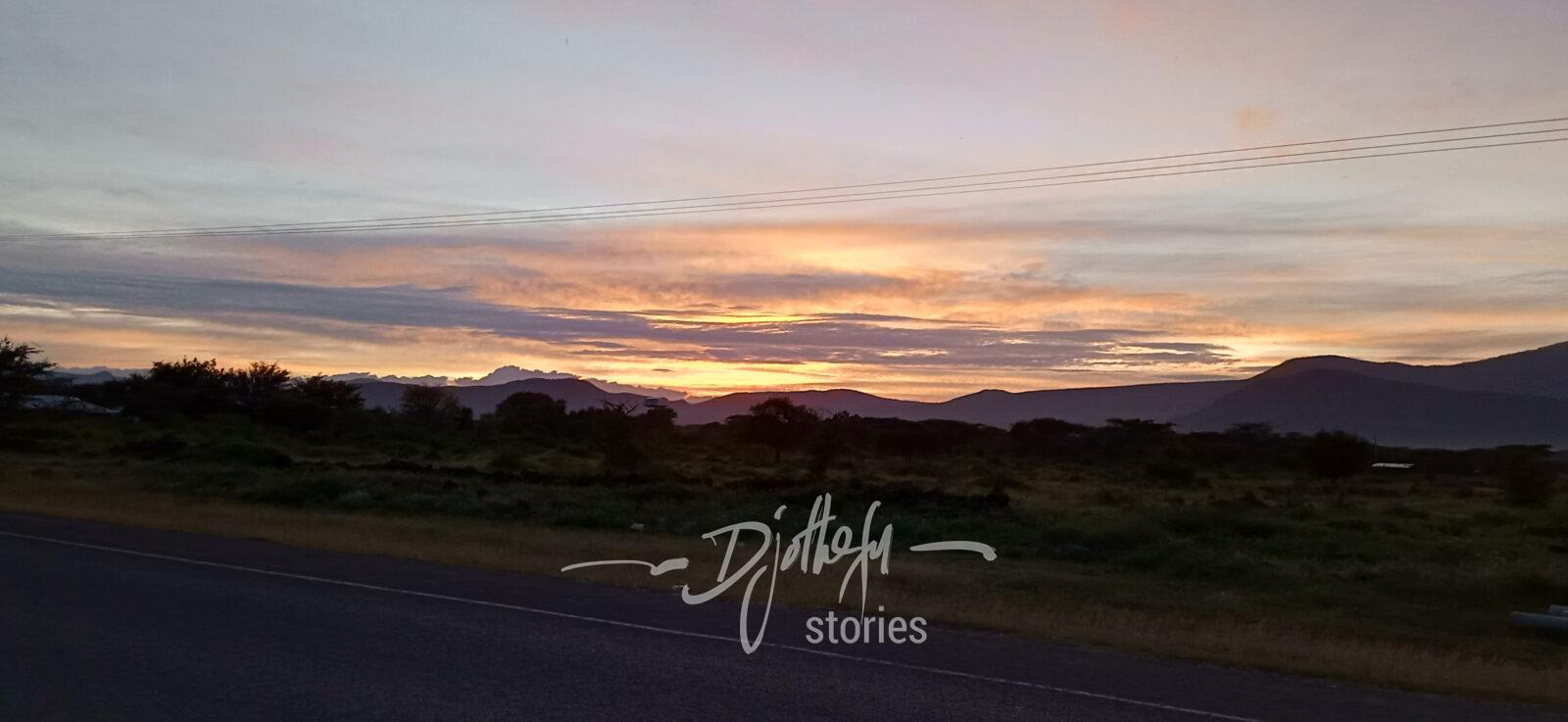
I get to Isiolo and go to the first hotel I see, and spend the night there.
Day 10 | Home
I wake up, have breakfast, and ride the tarmac road till home. There’s not much to be said about this day. It is a good Sunday morning ride.
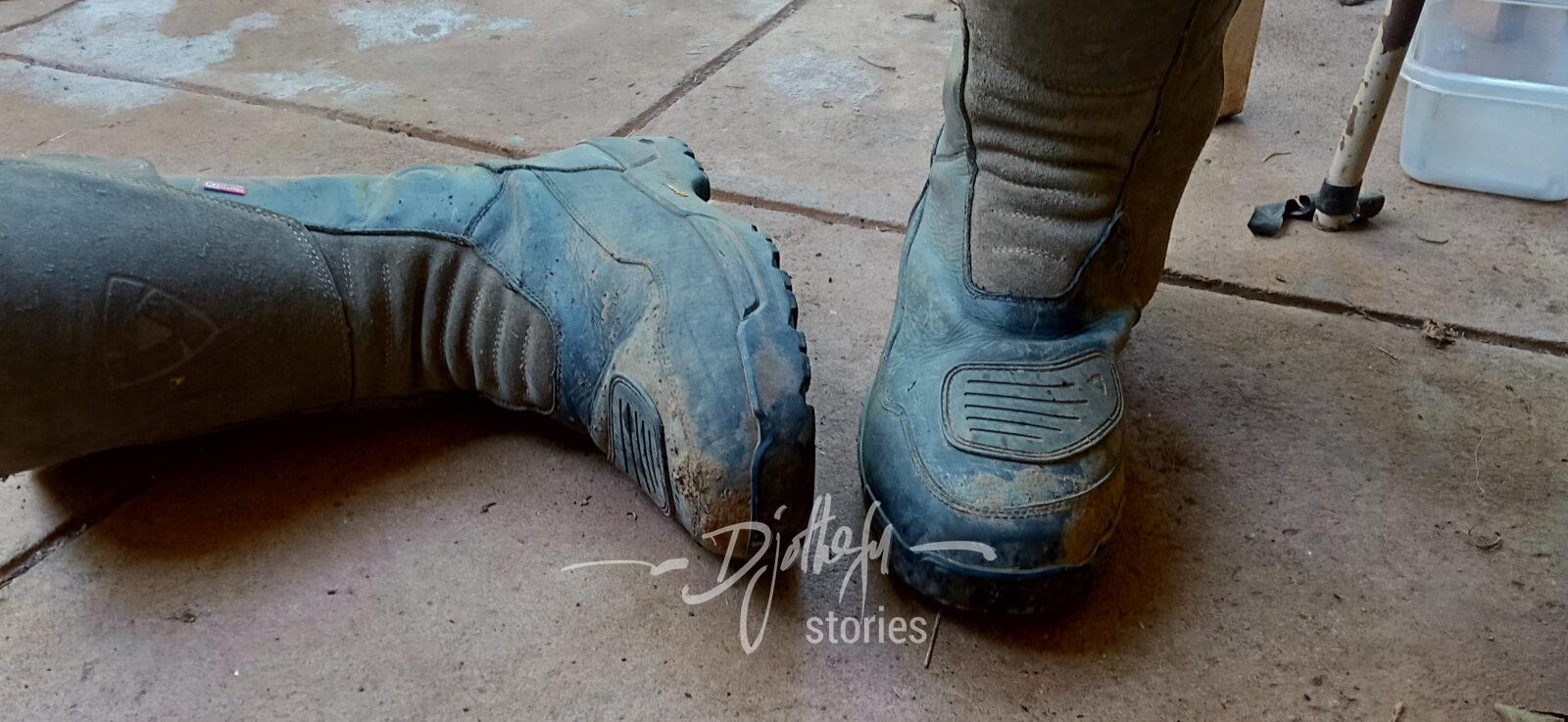
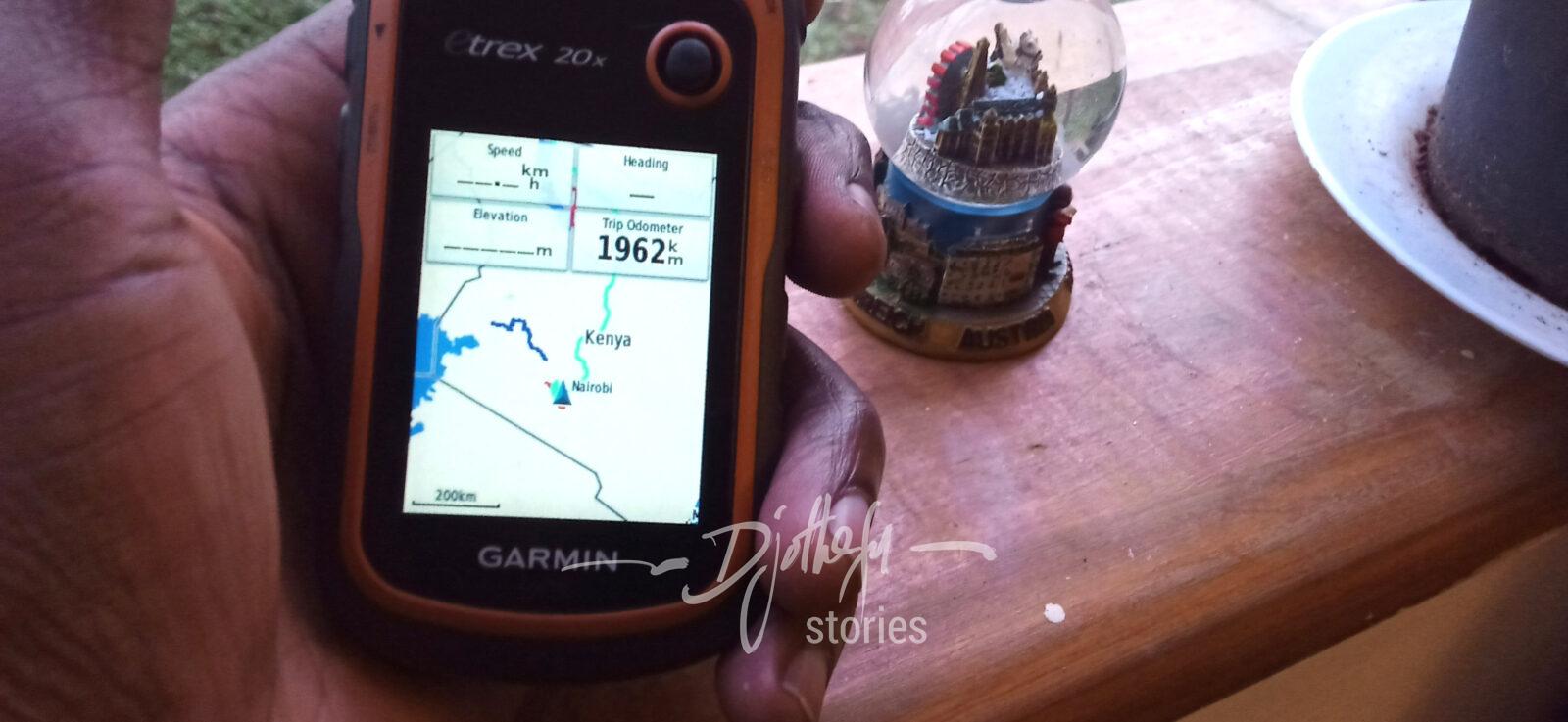
Once home, I take a shower, and do what any sane human would do: I order some civilised poison: a box of chicken periperi pizza.
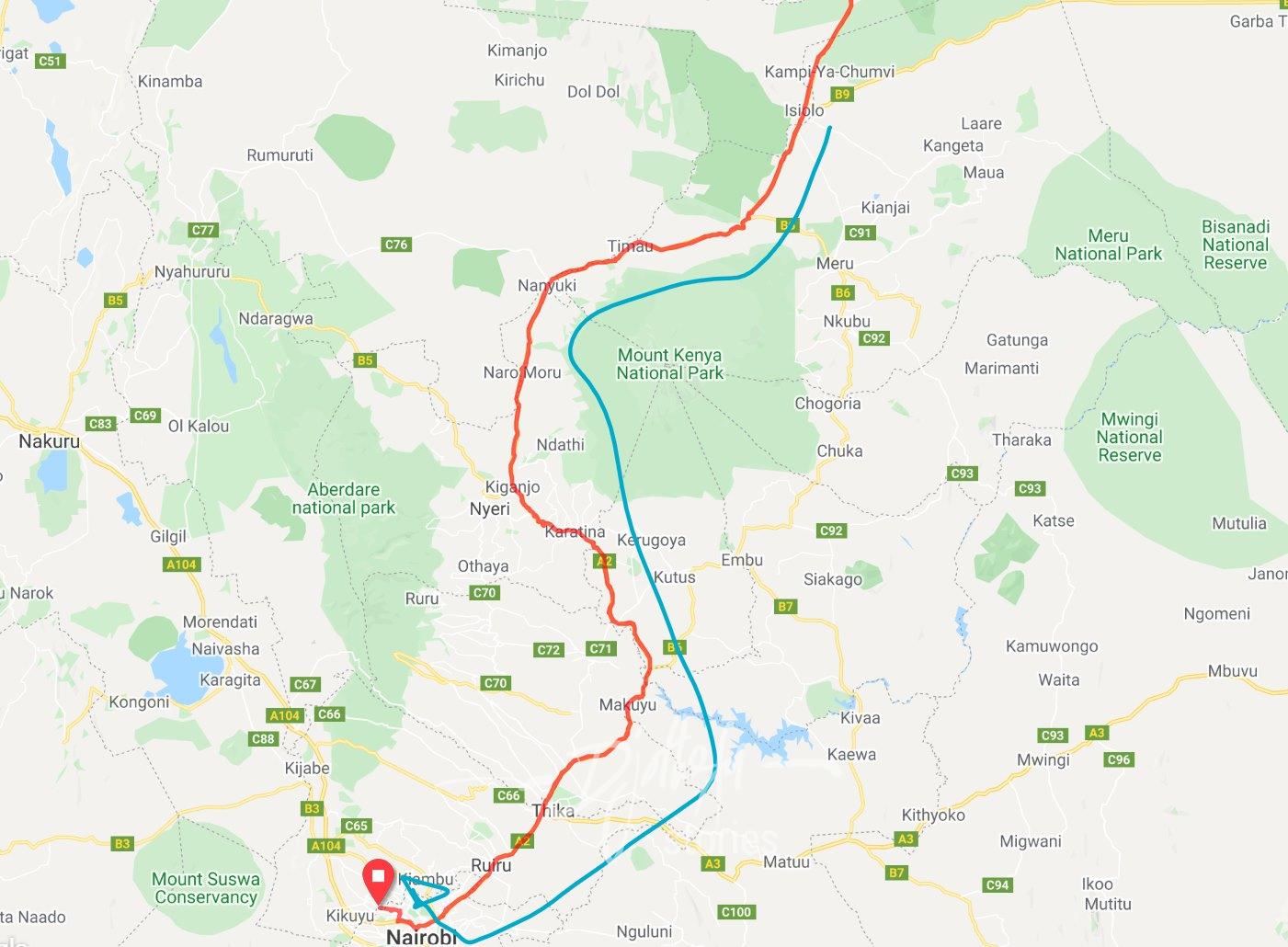
Epilogue
I posted an update on Facebook post trip, and someone asked me “What is your motivation?” I’d like to briefly talk about that…
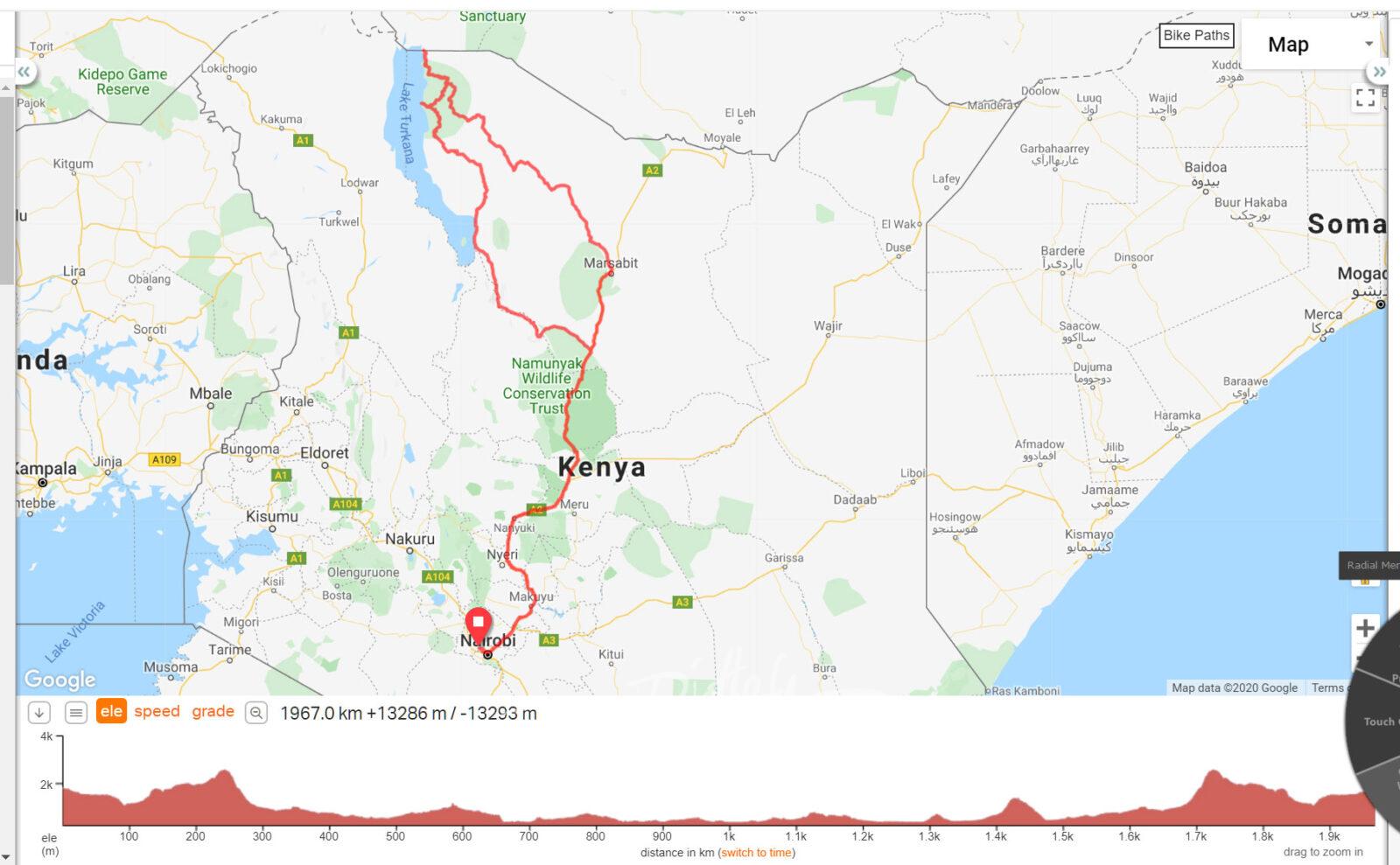
I started planning and preparing for this trip some time in August 2019, over four months prior to when it actually happened. I knew I wanted to go to Koobi Fora and Illeret, but I did not know when. I just prepared and waited for the stars to align. Preparation involved saving money and purchasing stuff I would need on the trip, and to ensure the bike is in good form. Keeping a 25 year old dinosaur alive takes work.
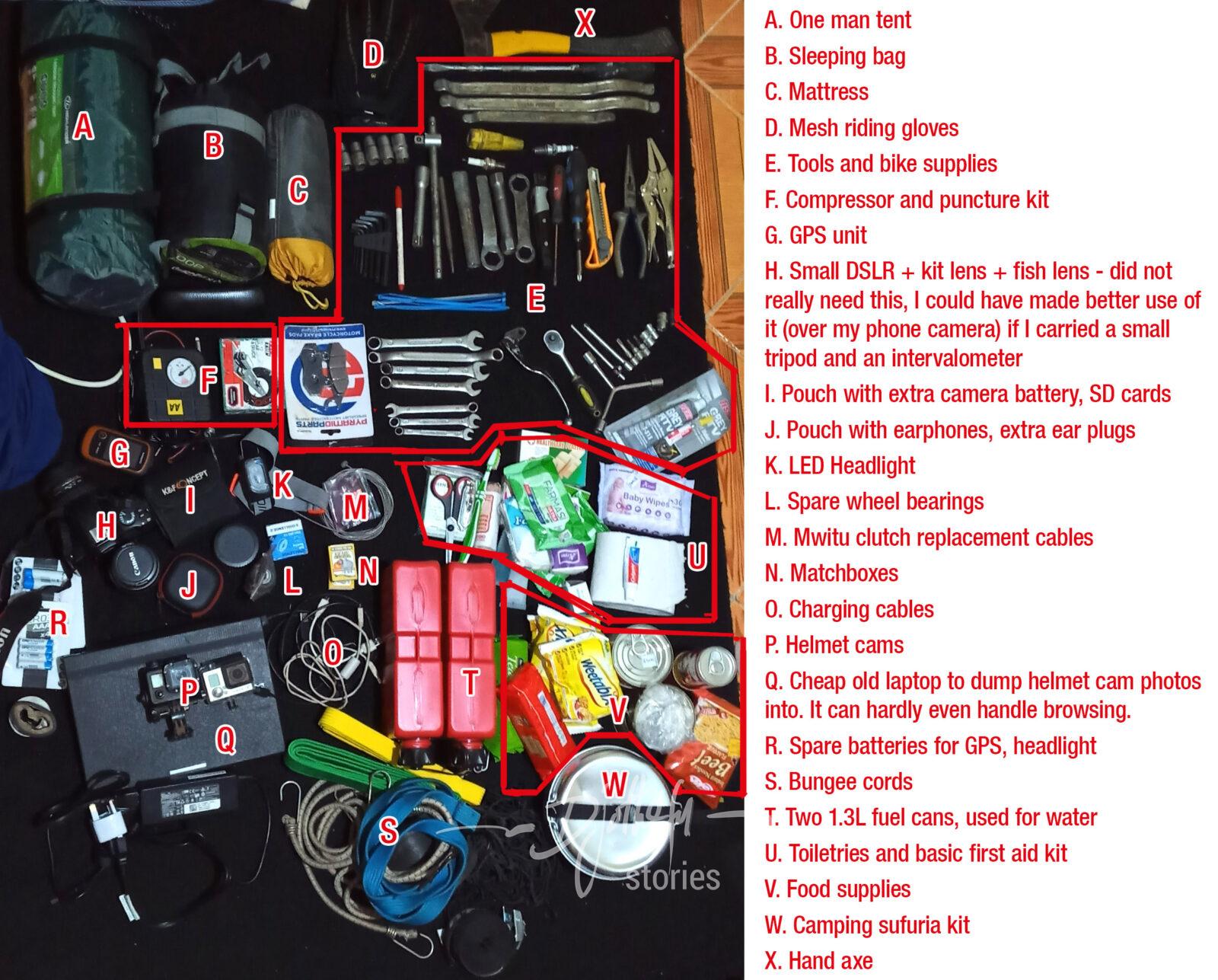
Preparation also included doing quite some research. I scoured the internet for information on the “northern frontier.” I watched lots of YouTube videos of people who’d been there, trying to find out what the roads are like. It’s during all this reading and research that I learnt about the El Molo people, the smallest tribe in Kenya, it is said.
Now, I do have an interest in history and anthropology. (A project about Mekatilili wa Menza, that I worked on last year, that involved lots of historical research, just heightened this interest.) I wanted to meet these people. I also wanted to visit Koobi Fora, a place that was just a dim memory from my primary school education. When we rode out of Loiyangalani, Timam was the first to spot a strange looking structure in the horizon. He stopped and pointed it out, and I immediately identified it as The Desert Museum. This is because I had done research.
Some time in October a group of friends were planning a ride to Loiyangalani to be done mid November. I considered joining them, and proceeding northwards solo till Koobi Fora. That trip did not happen, and so I held on to my trip plans, still waiting for the right time to execute.
I do these trips to soak up knowledge. I do not just want to shoot from town to town, village to village, just to ride my motorcycle. That can be done perfectly well on a race track circuit. My purpose of long distance travel is not to go through places, to brag that I have been there, but to experience places and people and cultures, and to be humbled by those experiences. To know more, and to realise that I know so little.
When I saw the red billed hornbill, I did not know that it was a hornbill. I never knew what a spur winged plover is. I had no clue that “petrified” comes from the Greek word “petro.” My research and learning doesn’t just end before the trip. I did not even know much about Richard Leakey. After the trip, I pore over the photos, and do more research and find out more about places I have visited. This soaking of knowledge fulfils me. It’s the same desire that pushes me to read books. This is what motivates me, above the sheer thirst for adventure.
One of my regrets on this trip is that I may not have communicated this well to my ride buddy, and I blame myself. I may have failed to communicate when the planning for this trip actually began, and my mind about it. When we met on 20th December, we each wrote down our desired route plan.
Timam was not interested in visiting the El Molo people, nor did he have an interest in spending any time at Koobi Fora. His plan was to shoot through the places and be back in Meru on day 5. I was having none of that. My failure to communicate my mind properly, though, resulted in me, a week to the trip I had planned for months, picking up a passenger who had his own blanket ideas. And that went south, amidst lots of unsightly puerile online marleydrama that persists post trip. Like I said, totally my fault.
I’m happy to have met all the people I met on this trip. Looking back, it is an enduring lesson that, despite all the evil in the world, there’s good in people. There are good people. There are people who welcome strangers. People who share the little food they have. People who welcome curious strangers into their private spaces. People ever willing to give a lost wanderer directions, and spare concern for their well being. That’s the one thing I take from the trip. And that, restores my faith in humanity.
As I said at the beginning, this is a story of how much joy a little trust births. And it greatly humbles me. I do not venture out with a Messiah complex, thinking I can solve the problems of the people I meet, but I venture out humbly seeking to see the world through their eyes, to, even for a fleeting moment, vicariously share in their humanity.
I’m grateful to God for his protection in this journey. I do not take it for granted, leaving home, going through all this terrain, and coming back home in one piece, and in good health. (And not a single puncture!) I thank him for his provision too. Not everyone can afford such an undertaking.
I’m grateful to my ride buddy, Timam, for the times he encouraged me, for being with me, for persevering my slow riding speed for so long till he couldn’t any more, and for helping me lift the bike after falls. I’m grateful to him for thinking of me, so much that he risked limbs and gear levers to come back to rescue me. I’m grateful for his honesty when he couldn’t take it any more, and I’m grateful that he has, up to now, thrown me a challenge to be a better rider. That, too, humbles me.
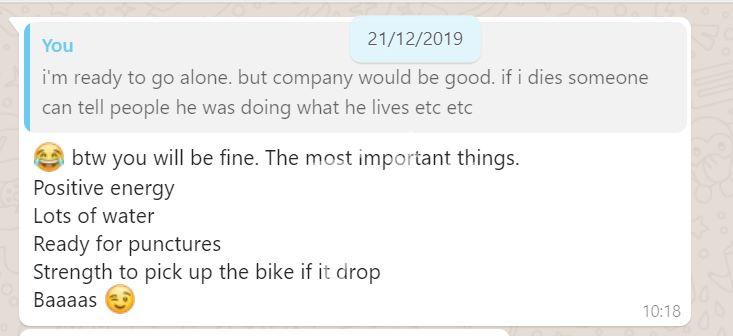
I’m grateful to friends that encouraged me during the planning and execution of this trip. Thanks to Grace Mwari especially. I mentioned to her on 21st December that it seems I’m doing this trip solo. She is a proficient offroad rider who has already ridden most of the roads I did, and she has seen me ride (not so proficiently). She did not dampen my spirit. She gave me lots of good information and pointers, and a contact at North Horr, that could have come in handy.
I’m grateful to friends that sent messages of concern, and tried to call me when my phone went offline for days. You are truly appreciated. I’m grateful for the one friend that volunteered to proof-read this story, to catch typos, and to take a cypress twig to my bum should I sink into childish pettiness at any point. Thank you.
I would like to tell you that if you attempt this trip you might die. Saying that would elevate me to some macho god-level hero who did not die despite doing it. But I’m an unfit ageing biker, with little off-road riding skill (evidently), and riding too much bike for this terrain (a smaller bike would be ideal), but I did it, anyway. Yes you can do it. You won’t die, unless you do incredibly stupid things. I will tell you the same thing Grace told me: “btw you will be fine.” I won’t go into details of dos and don’ts if you wish to attempt this trip. To do so will mean my story has failed. Hopefully you picked those up from the story.
I’m thankful for my family, for their support, and the trust they put in me, that I know what I’m doing and can take care of myself, and for checking on me, and being with me always even despite physical distance and lack of communication.
I’d also like to extend heartfelt thanks to you my reader, for riding this far through the story with me. Keep up the adventure spirit!
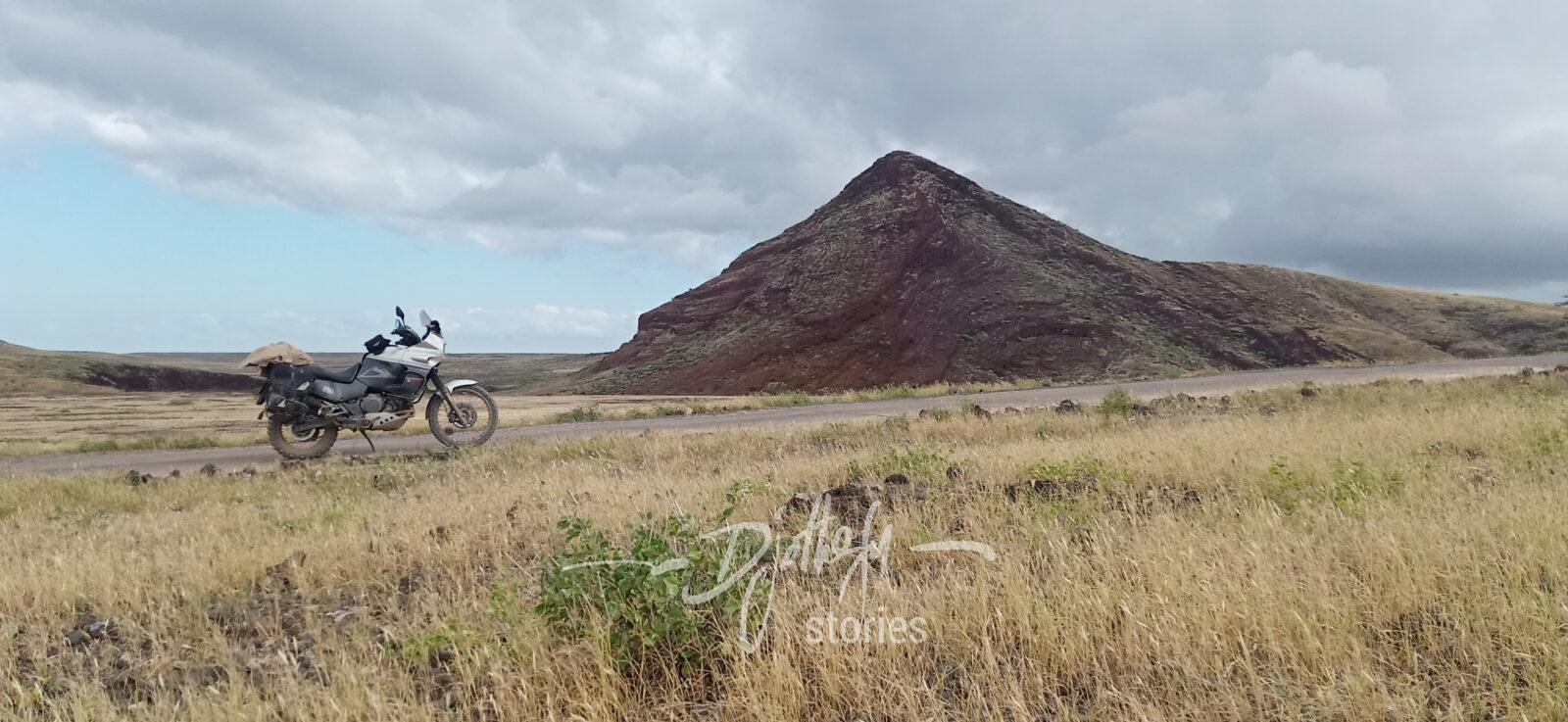
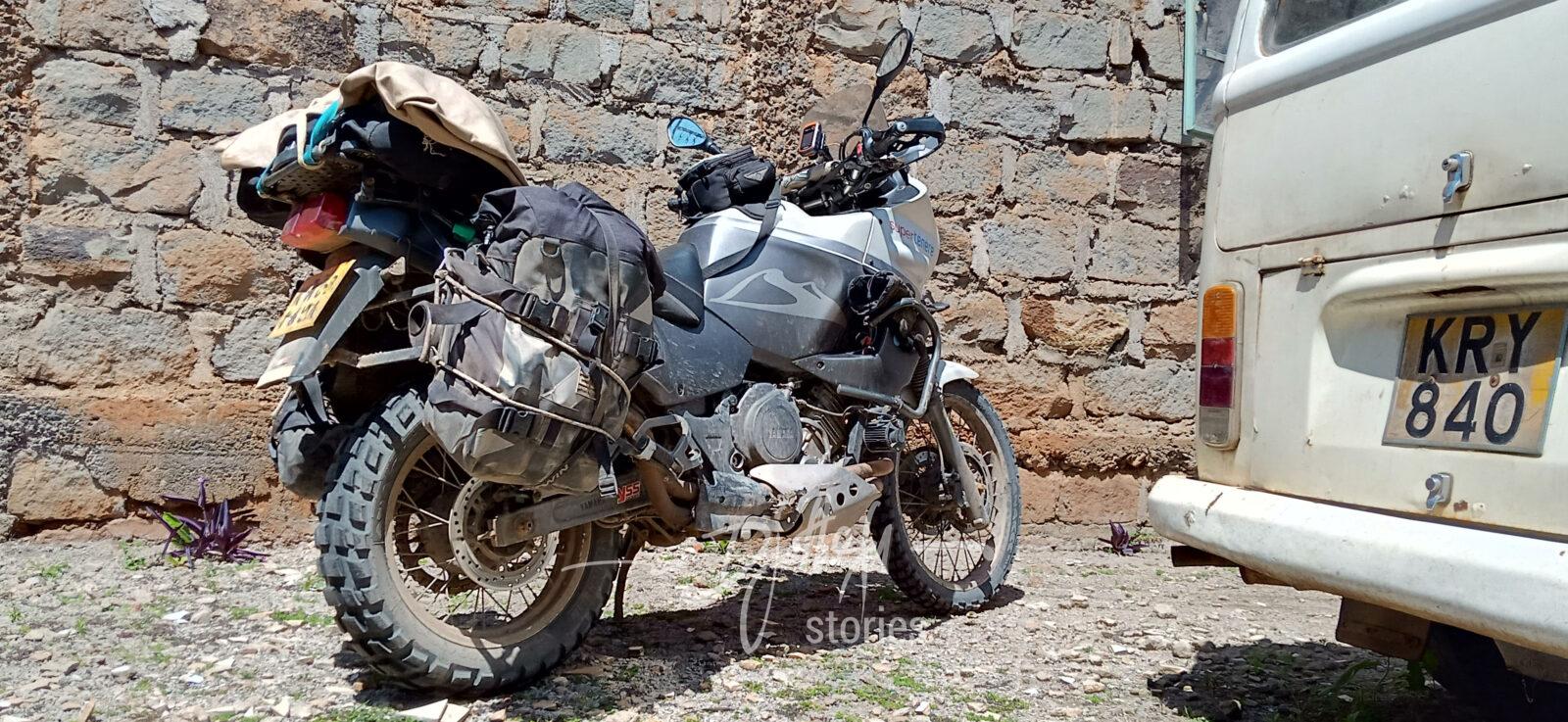
Lastly, there’s someone who has featured a lot in this story, who has soldiered through everything with me. I’m grateful for this motherfossil little ninja:
THE END
Share this? [Sassy_Social_Share]