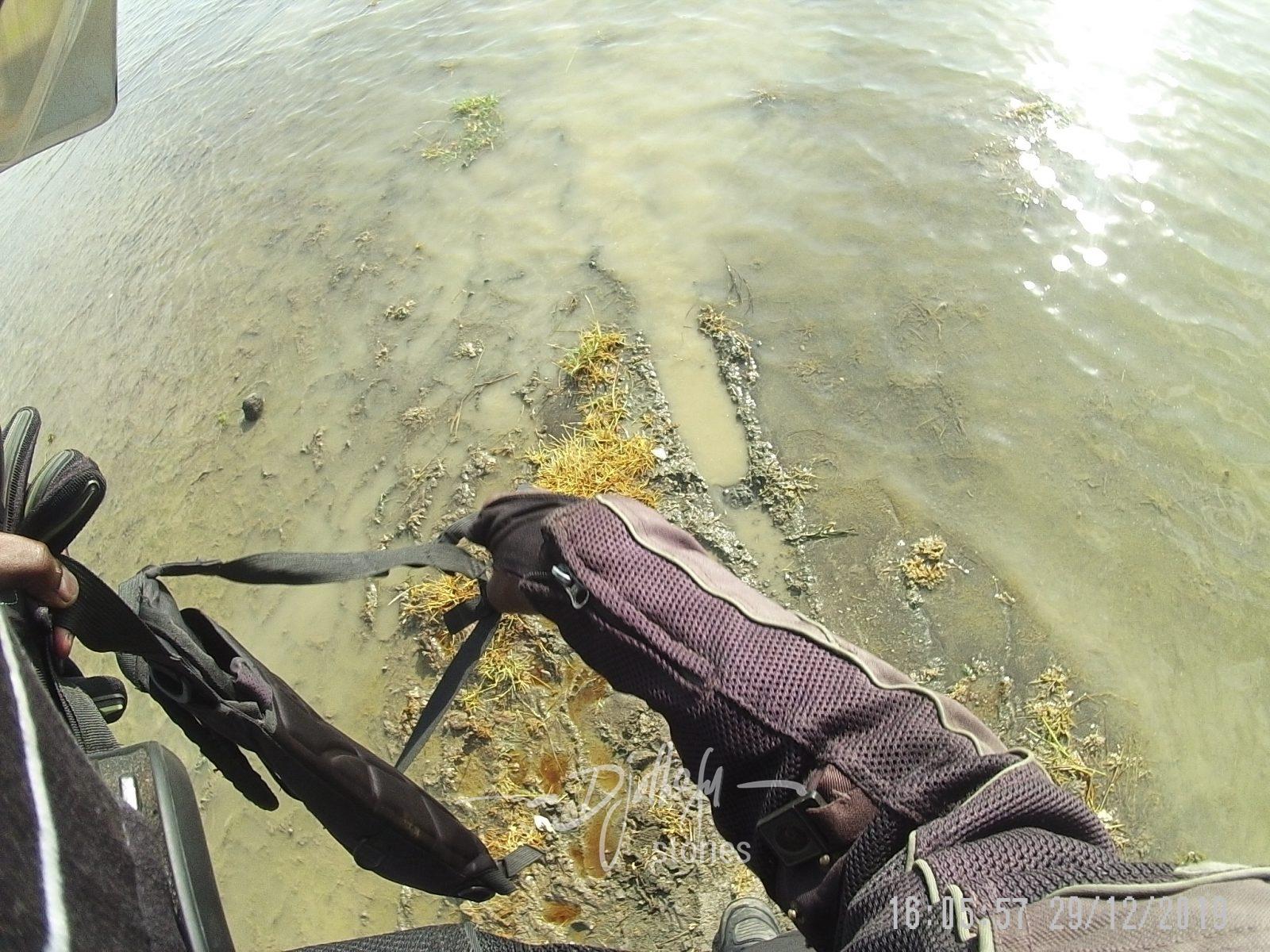
Timam clears the first section of the lake crossing with just a bit of difficulty.
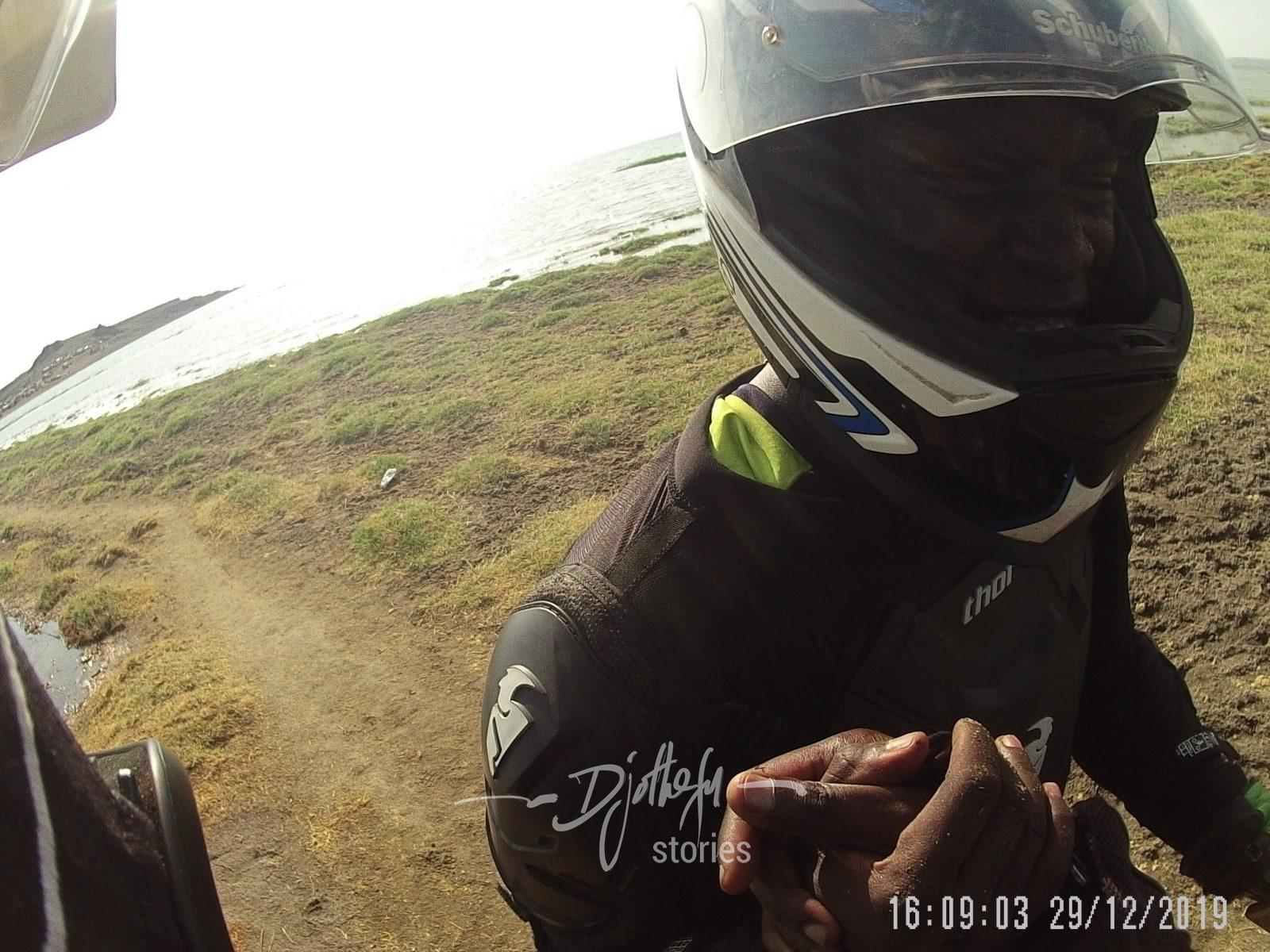
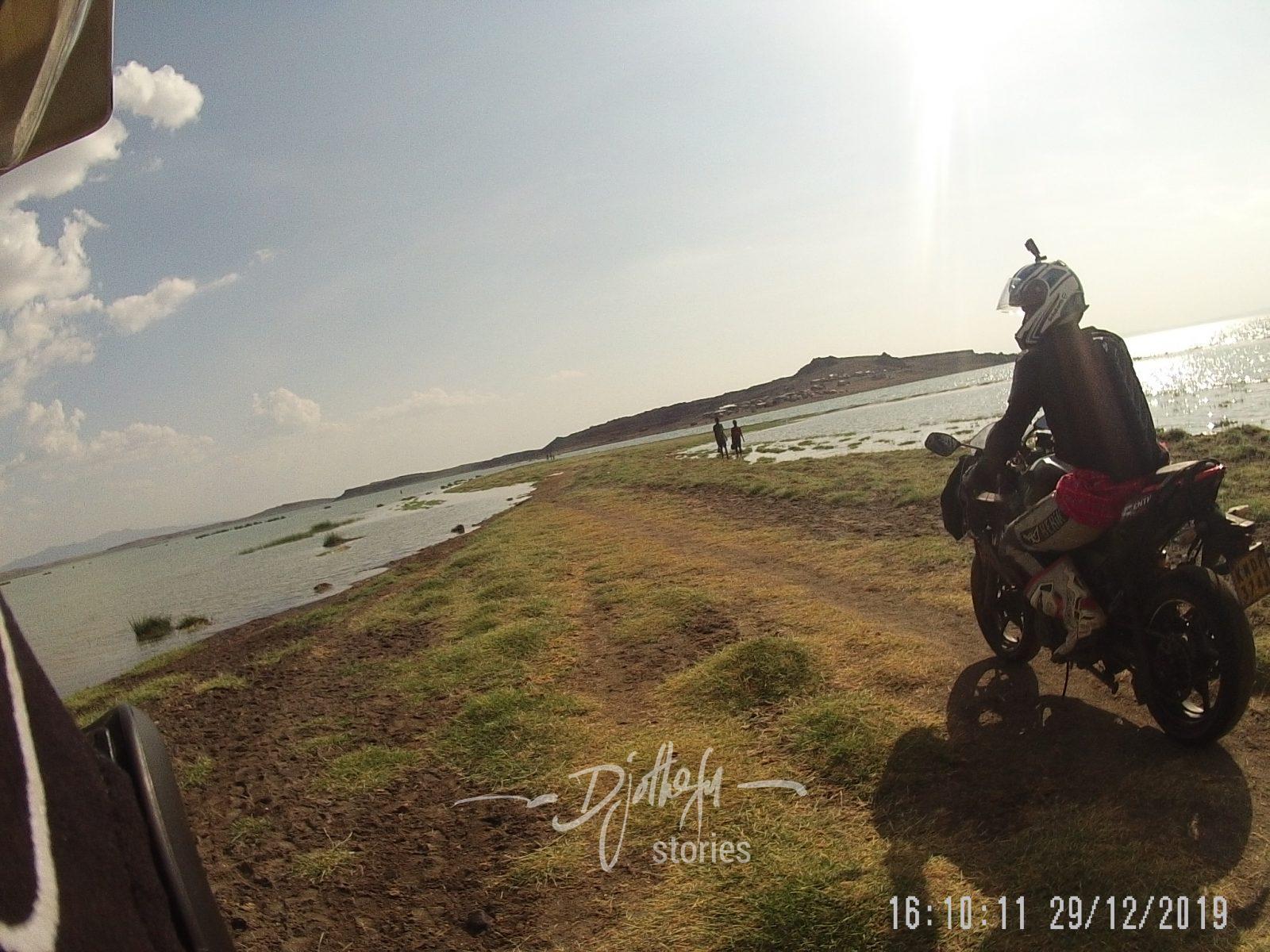


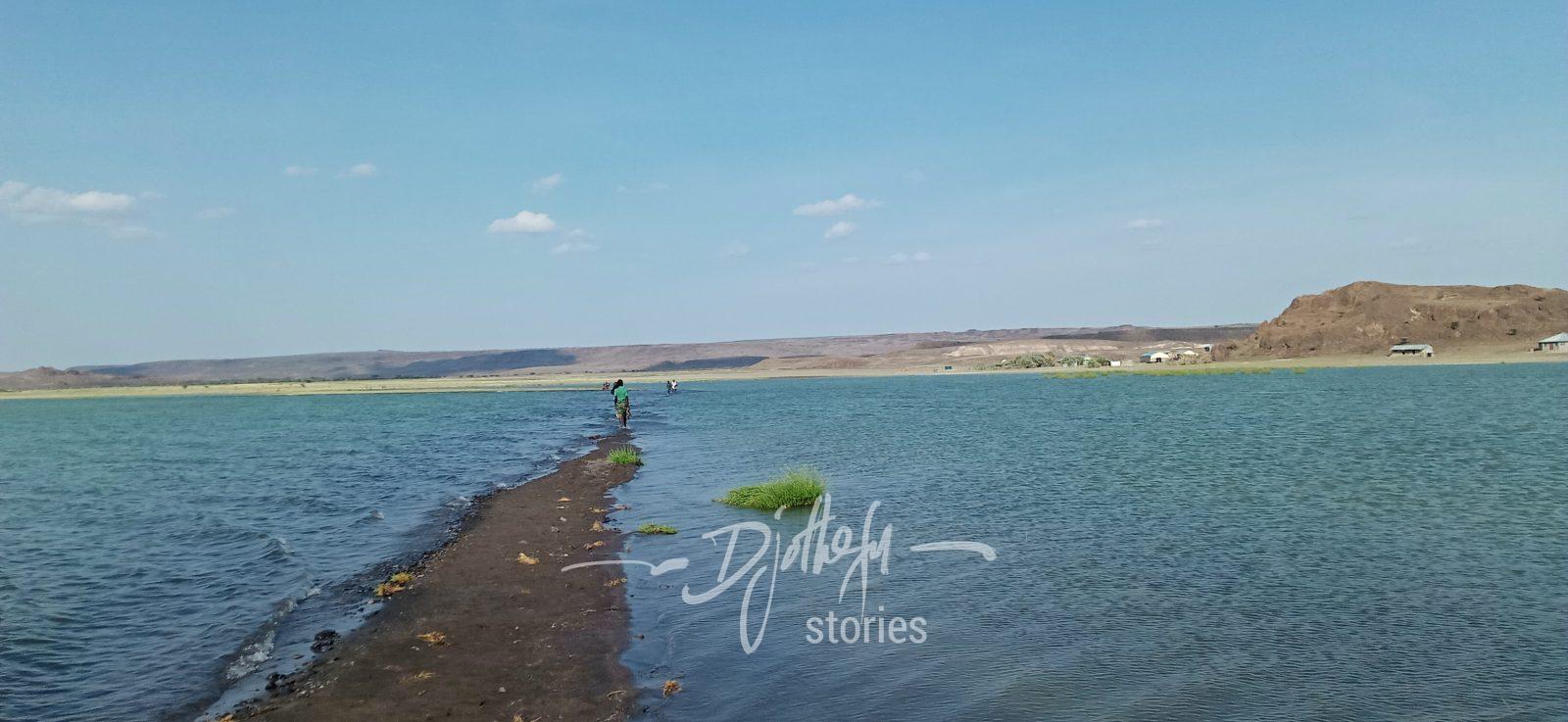


We reach the village, and Lerilion introduces me to his aunt and cousin. They offer me a chair to sit on as we wait for Timam to complete the crossing on his bike.


She explains to me that it’s the traditional El Molo garment.
“Do any other tribes make the same kind of garment?”
“No!” she says emphatically. “This is found only among the El Molo!
“Is it a recent thing or has it been done…”
She doesn’t even let me finish the question… “This has been made by the El Molo people from time immemorial! It’s what our ancestors used to wear. The Turkana people wore hides. But for us, this is what we wore!”
“Did they have to wear something else under it? Coz… I can see through it…”
“It depends on how it’s woven. This one is loosely woven. It can be woven more tightly, you won’t see through it.”
“Does it have a name?”
“We call it ‘Selah.’”
“What’s the thread made from?”
She points at a nearby doum palm.


Some boy is shouting at Lerilion. He is saying all visitors to the island must first be taken to see the chief. It’s so uncouth. Why can’t he even take Lerilion aside and talk to him discreetly? Lerilion was right, this island is different. He calls us aside and asks us “Do you want to just leave now, or do you want to meet the chief?” We opt to meet the chief.
We are taken up a few huts, to where there is a shed with a couple of wazees playing bao. They tell us that we are welcome, but that it is the tradition for visitors to see them and introduce themselves. We introduce ourselves and explain our visit. We have a short chat with them, after which they ask for “snuff.” We offer them “snuff.” And we make our way off the island. The visit here has not been as pleasant as Layeni, but we are glad we have visited, anyway. If I were to camp overnight with the El Molo people, as I had considered doing, it would be at Layeni. (
NOTE: I did visit and camp at Layeni a year later. You can read that story here.)


We still have to do the two lake crossings, I on foot, and Timam on his bike. We get to where my bike is, and Timam is on top of the world with joy. He has accomplished what looked impossible. There’s a spur-winged plover on the ground near us, seemingly angry at us, making a lot of noises at us. I comment that it must have its eggs nearby and sure enough…

The three of us, Lerilion, the spur-winged plover, and I, stand around awkwardly for a minute or two as we wait for Timam to finish doing something on his phone. Once he is done, we get moving. We have to drop Lerilion back at Layeni.

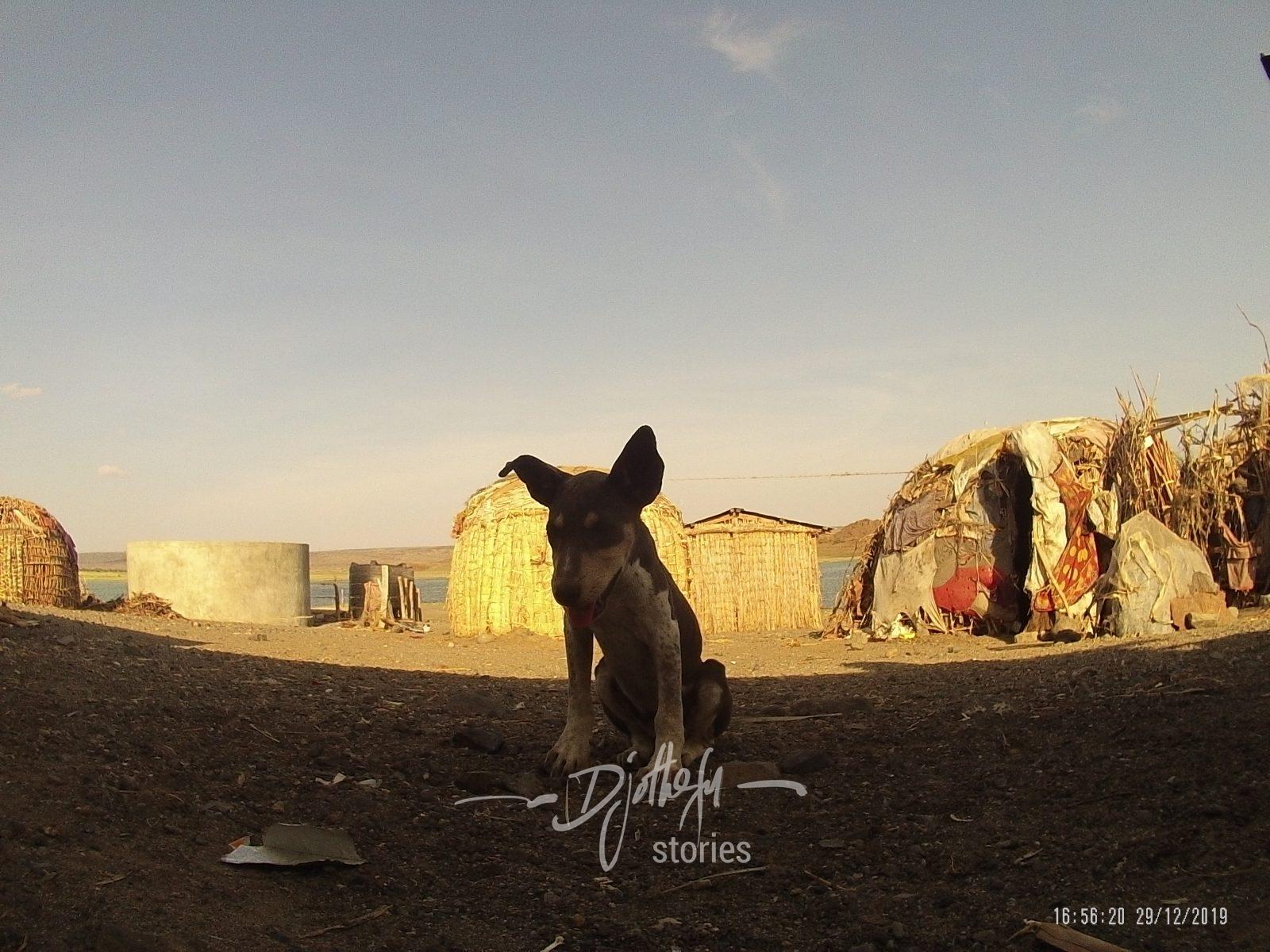
We leave Layeni, and are soon at the Desert Museum.
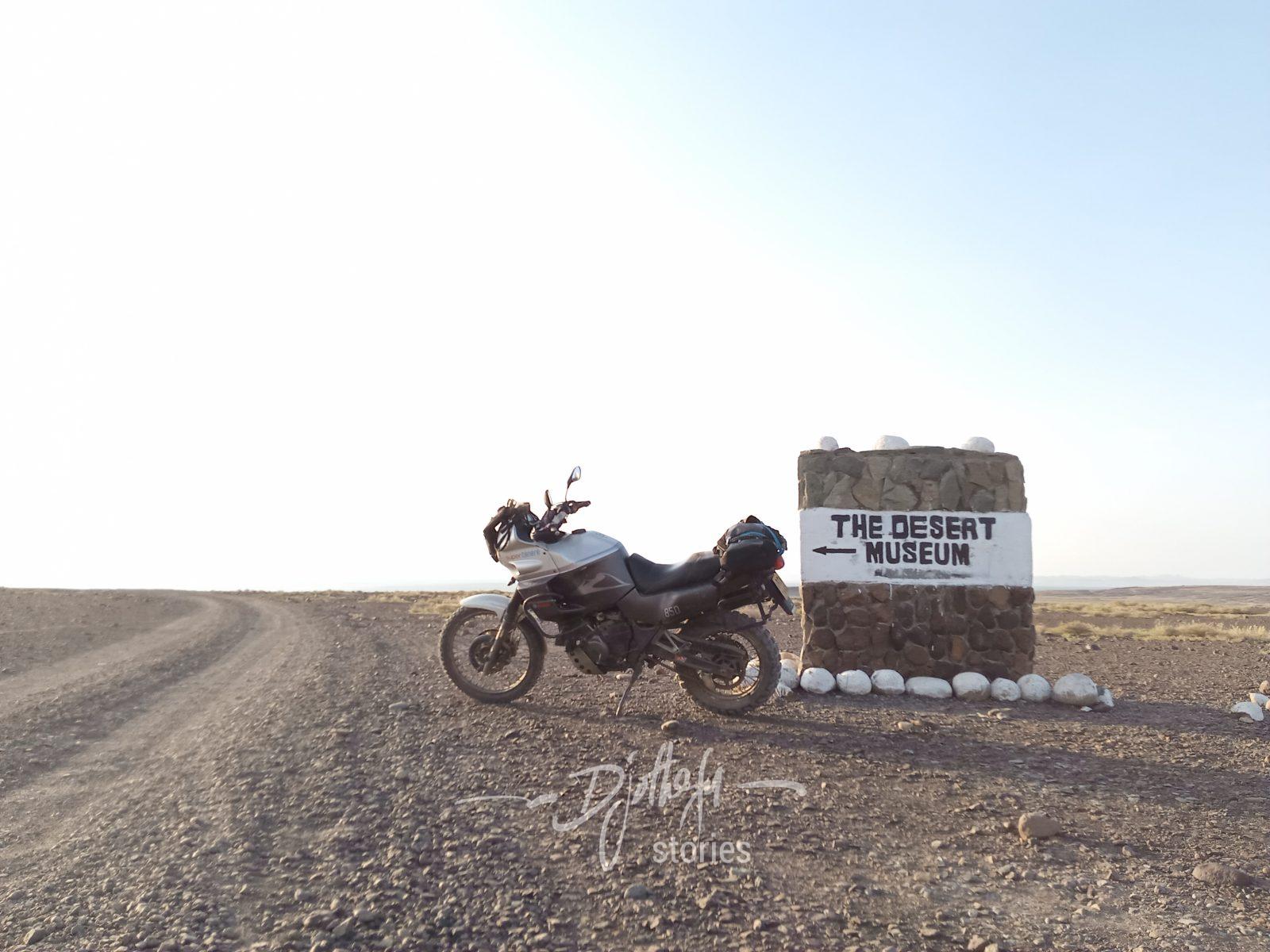
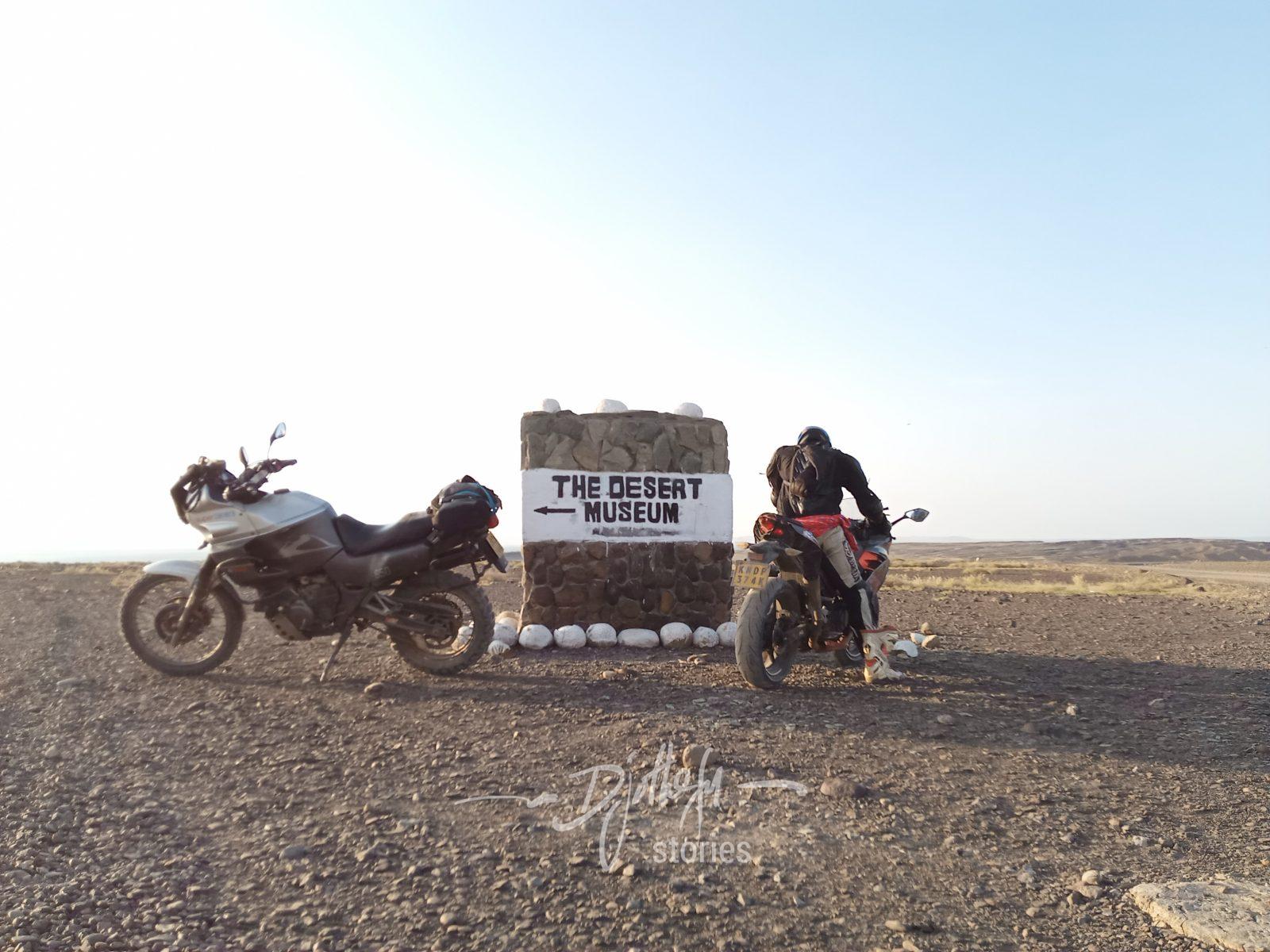

I ride in first, and meet and old man sitting outside. He is in charge. He doesn’t seem so friendly. It’s a bit difficult to figure out what he is saying. I tell him that we have come to visit the museum. He gets into the building, and reappears wearing his official uniform shirt. I’m confused. He points at the shirt and says something. He dissappears again, and reappears carrying a rifle. I’m confused. He motions at me to follow him into the office. He asks what organisation I am from. I explain that I’m not from any organisation. I explain that my friend, who is on the way, and I are just individuals, visiting the museum on our own capacity.
Suddenly his wrinkled face breaks into a big smile! He reaches over and enthusiastically shakes my hand. I’m confused. He grabs some keys and asks me to follow him. Timam arrives. The old man opens the museum halls for us, and leaves us alone to be.
I’m impressed at the collection of stuff they have here. The museum, which is right on the shore of Lake Turkana, boasts a collection of artefacts from the eight communities around Lake Turkana. The museum is aimed at promoting and preserving the rich cultural heritage of the communities. The stuff is well labelled, with detailed descriptions, that one can self tour.

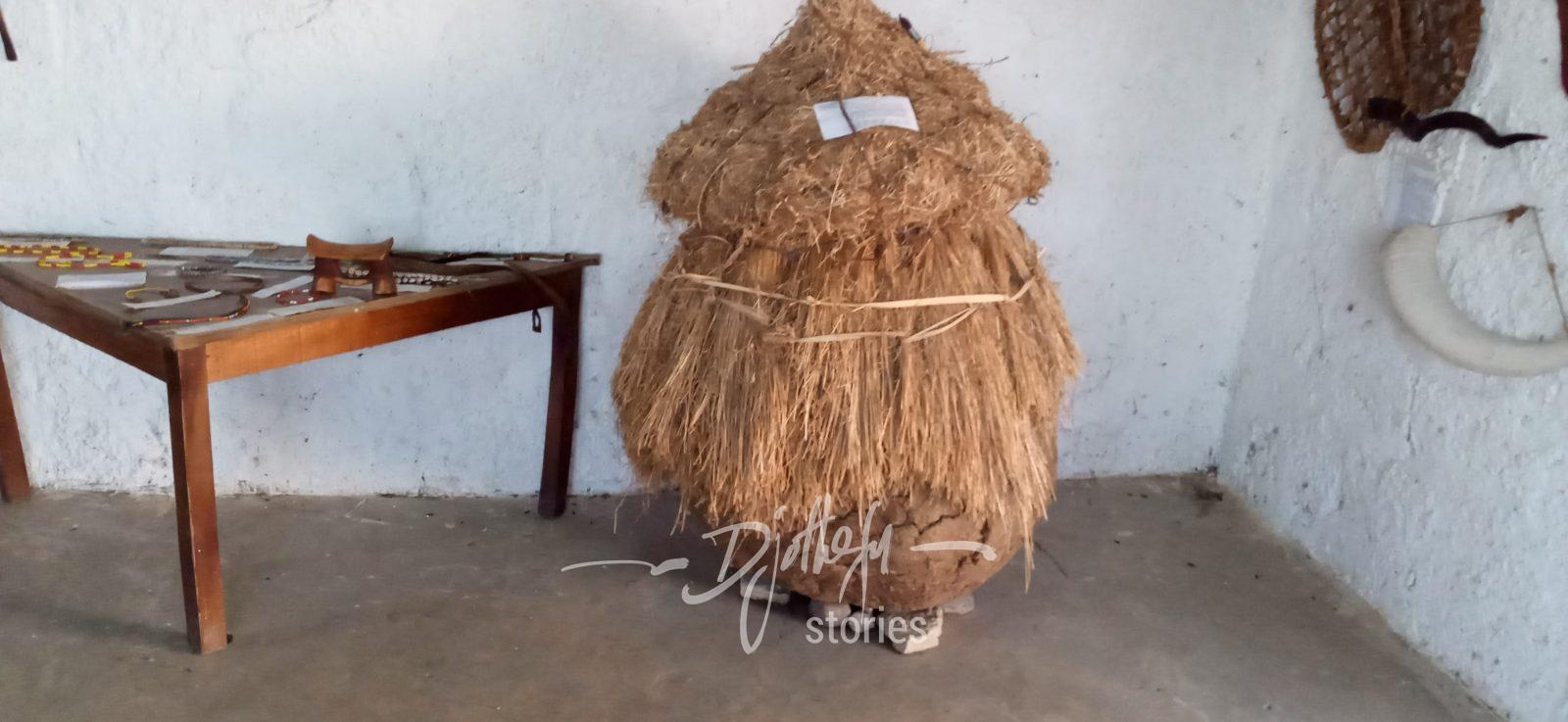
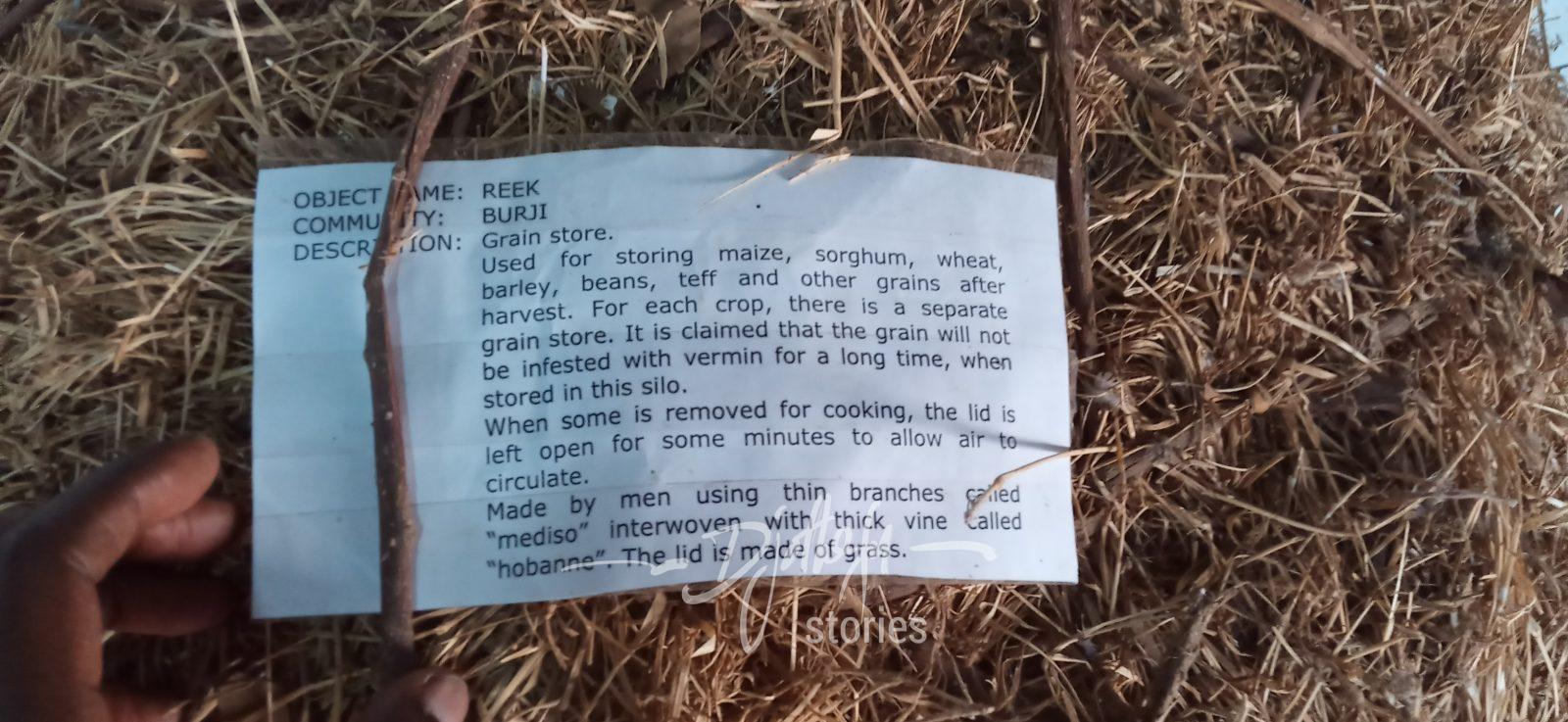
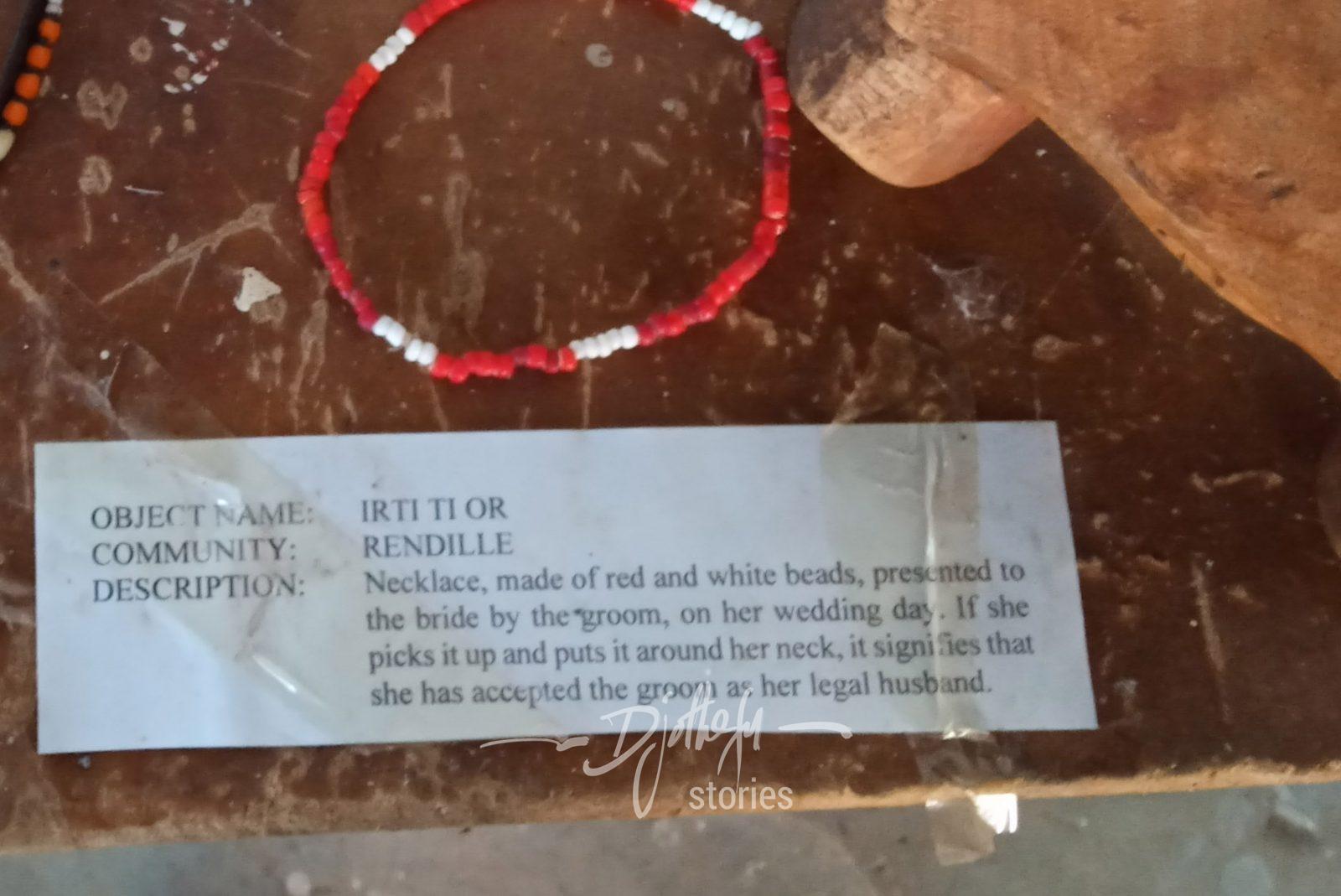

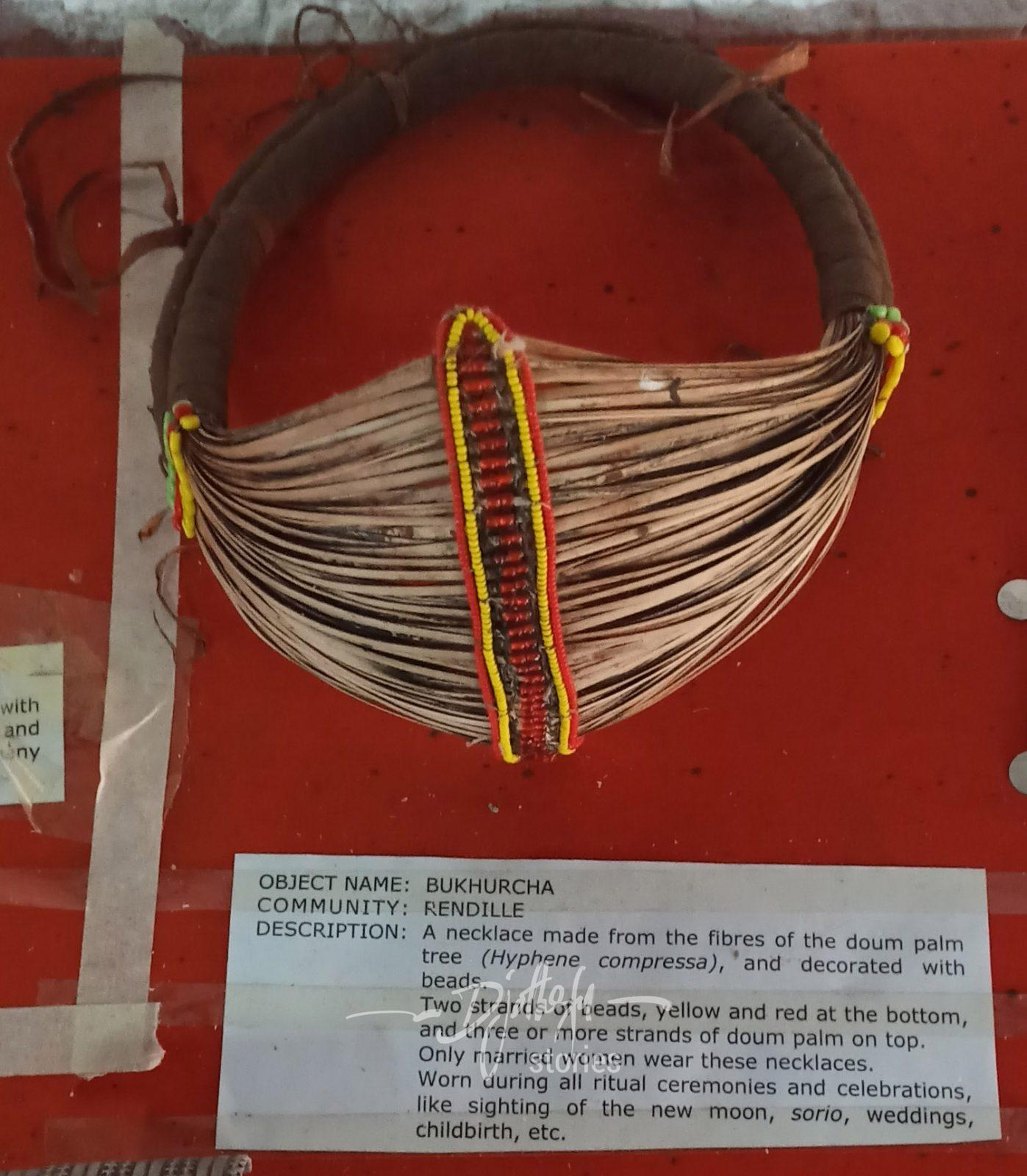
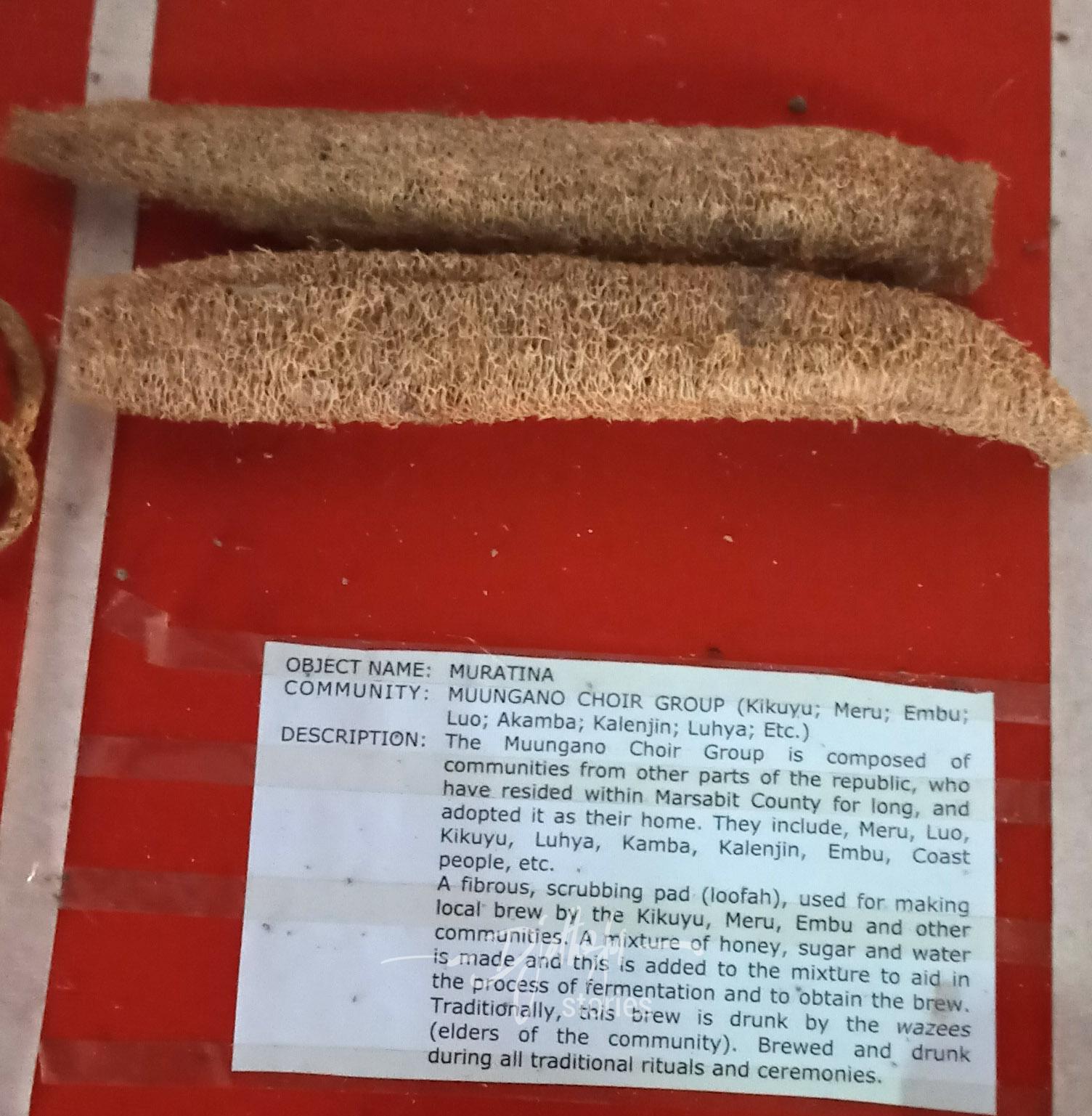
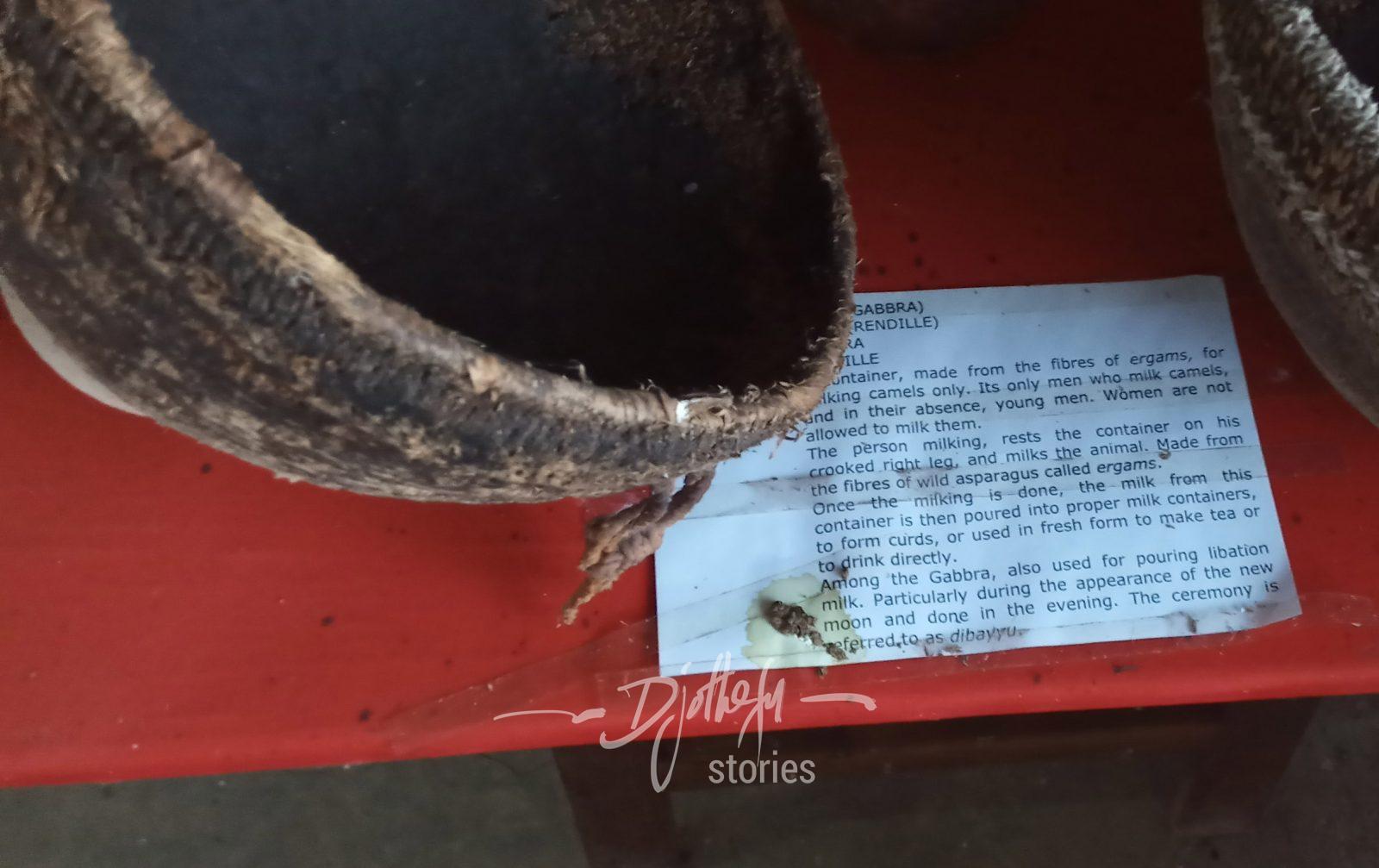
I have a great interest in history and anthropology, so these artefacts absorb my attention. It’s a pity we have arrived here late, and need to leave quick before it gets dark. Timam is on his phone. He is bored. “I have no interest in artefacts,” he mutters. I take as many photos as I can, to read them later. Dear reader, si you visit the museum to see the rest for yourself, ey?
I however note that I have not seen a mention of the El Molo people’s selah at the museum. Unless I missed it.
We walk out. There’s a bunch of young men with a 4×4, whom, it seems, have been camping out here for some days now. We greet them as we walk past them to take photos of the sunset.
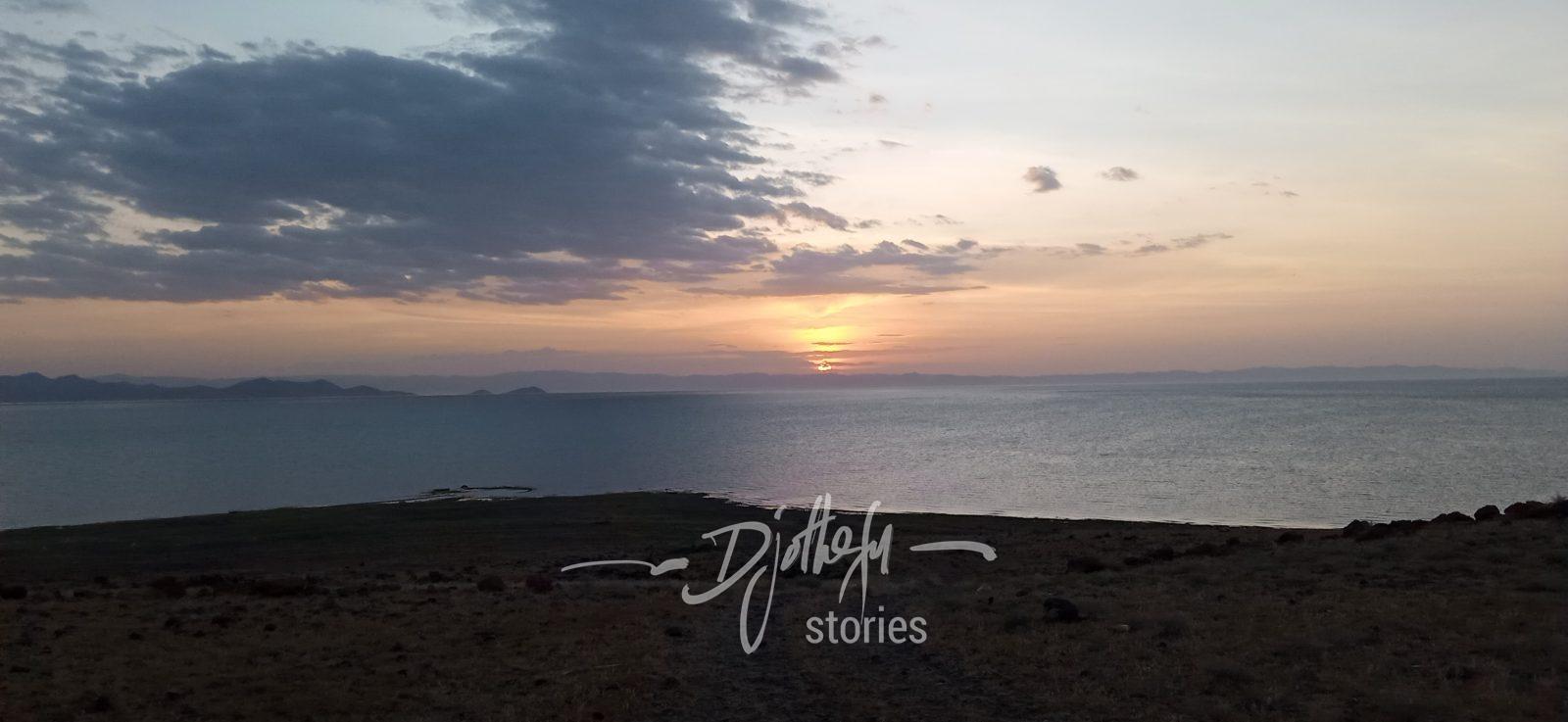


Timam strikes up a chat with their driver, a young man, who informs him of banditry along the Illeret – North Horr road. While they chat, I go to clear things with the old man in charge of the place. I make a payment, and begin gearing up to leave.
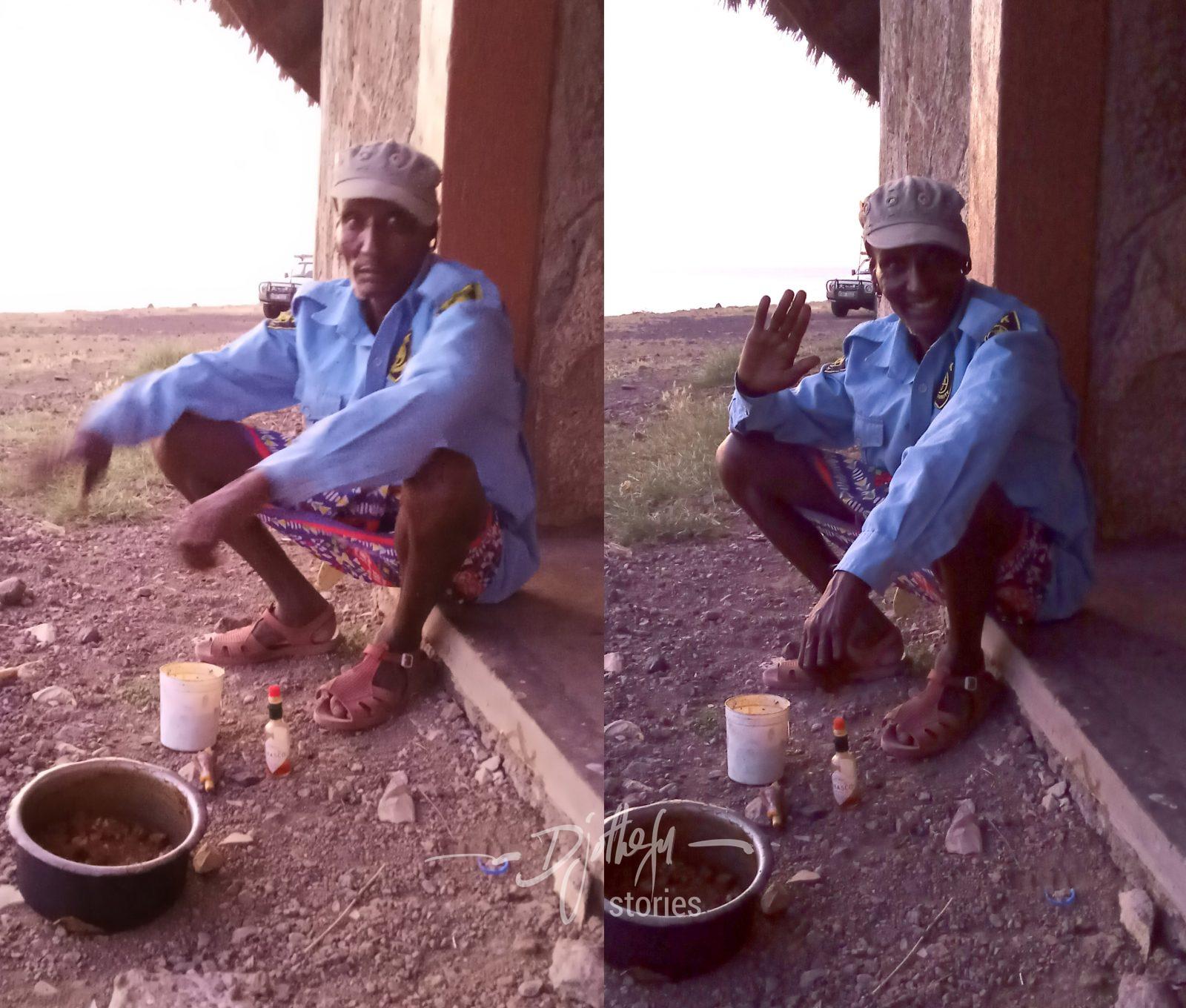
“Come, my son!” The old man calls me. I follow him. He is carrying a sufuria and a white plastic container. He sits down at a step. The sufuria has cooked meat, and the plastic container has soup. He starts eating. “My son, wash your hands and eat!”
I try to decline, to tell him that we are really in a hurry and need to buy fuel and get supplies before it gets late, because tomorrow we start our journey early. He insists, though. He gives me no choice. He points at a tap nearby. I’m a bit taken aback by this sudden “my son” business. (“Kijana yangu” is the phrase he uses in Kiswahili.) I wash my hands.
He motions at the space next to him. “Sit and eat, my son.” I obey. The meat is nice and spicy. I’m not a chilli person. I let out a little cough.
“It’s ok, my son,” he says. “It’s just spices. Spices my son brought me.” He gets up, dissappears somewhere, and reappears with a small bottle in his hand. He sits back down. “This…” he hands the bottle to me. “My son brought me a whole box. He was in the army. But he is no more.”
My heart sinks.

He tells me that he has lost two sons in the army, killed by the Al Shabaab. He tells me that his people no longer want their children to join the army, that they are losing too many. I ask how long ago it was when his son brought him this box of spices. About six months ago, he says.
“But he is no more.”
I remember how he really insisted that I join him, that I sit next to him on this step, to eat meat. I remember how he kept calling me “my son.” Part of me wonders whether this is what he used to do with his son when he visited, sit together on this step and eat meat and soup at sunset?
“What’s your name?” I ask him.
“Lapakiywo Leparnoi.”
“May I photograph you, please?”
“Sawa!”
We leave The Desert Museum and ride to Loiyangalani town. We need to top up our fuel tanks and carry extra fuel. We agree to carry 10 litres extra each. Timam carries it in the two 5 litre jerry cans we have been carrying around. I find a cylindrical 10 litre container, which I fill and strap to my passenger seat.
We retire to our lodge. Our dinner comes. Fish and ugali. The fish is huge and very well cooked. But I’m getting sick of fish. I’m not able to eat much. Today I have not eaten well, and can already feel my body complaining. I miss my own cooking. I call my sister and inform her of where I am. She is my information link to my family. I tell her that the next few days I may be away from any cellphone network coverage.
The Anthony Muchiris are visiting this area too as a family by car. They are staying at a lodge nearby. They honour us with a visit during our dinner, and we have long chats about this and that. I’m amused to hear them answer one of their girls who has asked “What is refining?” (Oil refining, that is.) I’m really curious about them, and their travels. I’m glad when the conversation turns to them, and they get to talk about themselves. I get to learn of a book they have written and published, and I ask them to share it with me. It’s a book that “unveils how adventure, love and travel can exist in a symbiotic relationship.” Find out more about the book, and the Muchiris here.


My signed copy.
We do have a bit of an incident when Timam walks about barefoot under an acacia tree and kicks a large thorn into his foot. Muchiri brings his first aid kit and is able to pull it out after much struggle.